IP-based CCTV cameras, also known as network cameras, have revolutionized the way surveillance systems operate. These advanced cameras utilize Internet Protocol (IP) technology to transmit video and data over an IP network, allowing for remote viewing and management from any location with an internet connection.
One of the key advantages of IP-based CCTV cameras is their high-definition video quality. These cameras can capture footage in resolutions ranging from standard definition to ultra-high definition, providing sharp and detailed images that are crucial for effective surveillance.
Furthermore, IP-based CCTV cameras offer a range of advanced features that enhance security monitoring capabilities. These features may include motion detection, night vision, two-way audio communication, pan-tilt-zoom (PTZ) functionality, and intelligent video analytics for automated event detection.
Another significant benefit of IP-based CCTV cameras is their scalability. These cameras can be easily integrated into existing IP networks, allowing for seamless expansion and integration with other security systems such as access control and alarm systems.
Additionally, IP-based CCTV cameras offer remote accessibility through web browsers or dedicated mobile apps. This enables users to view live or recorded footage, adjust camera settings, and receive alerts on their smartphones or computers, providing real-time monitoring and peace of mind.
In conclusion, IP-based CCTV cameras represent a cutting-edge solution for modern surveillance needs. With their high-quality video output, advanced features, scalability, and remote accessibility, these cameras offer a comprehensive security solution for both residential and commercial applications.
Understanding IP-Based CCTV Cameras: Advantages, Differences, and Common Questions
- What is the advantage of IP CCTV?
- What is the difference between IP CCTV and digital CCTV?
- What are the disadvantages of IP CCTV cameras?
- What is an IP-based CCTV camera?
- What is IP based CCTV camera?
- Do IP cameras work without internet?
- Which is better CCTV or IP camera?
What is the advantage of IP CCTV?
One of the key advantages of IP CCTV cameras is their ability to deliver high-definition video quality, allowing for clear and detailed surveillance footage. These cameras leverage Internet Protocol (IP) technology to transmit video and data over an IP network, enabling remote viewing and management from any location with an internet connection. Additionally, IP CCTV cameras offer advanced features such as motion detection, night vision, two-way audio communication, pan-tilt-zoom (PTZ) functionality, and intelligent video analytics for enhanced security monitoring capabilities. Their scalability and seamless integration with existing IP networks make them a versatile and efficient solution for modern surveillance needs.
What is the difference between IP CCTV and digital CCTV?
One frequently asked question regarding IP-based CCTV cameras is the difference between IP CCTV and digital CCTV. While both types of cameras operate digitally, the key distinction lies in how they transmit and store video data. Digital CCTV cameras capture analog video signals and convert them into digital format for recording onto a Digital Video Recorder (DVR). On the other hand, IP-based CCTV cameras digitize video at the camera itself and transmit it over an IP network, eliminating the need for a separate DVR. This allows for easier scalability, remote access, higher video quality, and advanced features such as motion detection and intelligent analytics. In essence, IP CCTV offers a more modern and versatile surveillance solution compared to traditional digital CCTV systems.
What are the disadvantages of IP CCTV cameras?
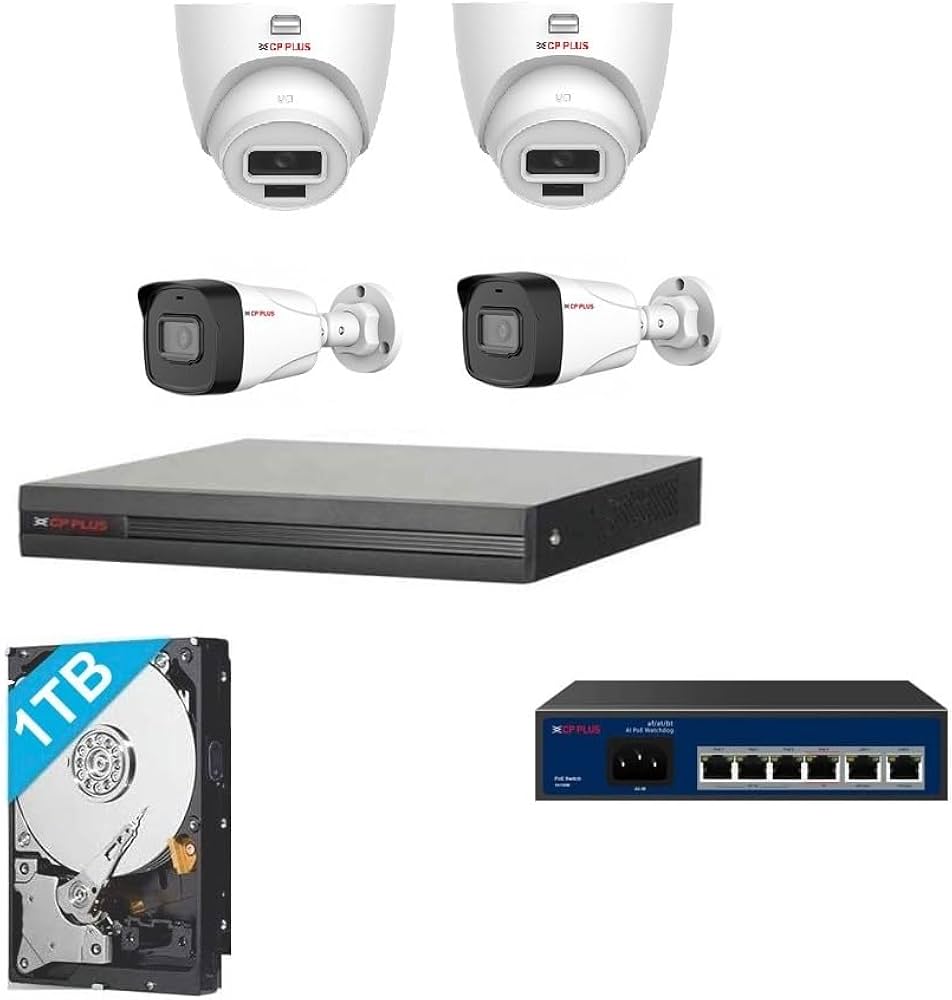
While IP CCTV cameras offer numerous advantages, they also come with some disadvantages that users should consider. One common drawback of IP-based CCTV cameras is their higher initial cost compared to traditional analog cameras. The need for network infrastructure, such as switches and routers, can add to the overall installation expenses. Additionally, IP cameras require a stable and sufficient bandwidth to transmit high-definition video data, which may pose challenges in locations with limited network capabilities. Another potential disadvantage is the complexity of setup and configuration, as IP cameras often require technical expertise to properly install and integrate into existing network systems. Finally, reliance on internet connectivity for remote viewing can be a vulnerability, as disruptions in the network or power supply may impact the camera’s functionality. Despite these drawbacks, the benefits of enhanced video quality, advanced features, scalability, and remote accessibility often outweigh the limitations of IP CCTV cameras.
What is an IP-based CCTV camera?
An IP-based CCTV camera, also known as a network camera, is a surveillance camera that utilizes Internet Protocol (IP) technology to transmit video and data over an IP network. Unlike traditional analog CCTV cameras that require a separate coaxial cable for video transmission, IP-based cameras can connect directly to an existing network infrastructure, such as a local area network (LAN) or the internet. This allows for remote viewing and management of the camera feed from any location with an internet connection. IP-based CCTV cameras offer high-definition video quality, advanced features like motion detection and PTZ control, scalability for easy integration into existing networks, and remote accessibility through web browsers or mobile apps.
What is IP based CCTV camera?
Many people often ask, “What is an IP-based CCTV camera?” An IP-based CCTV camera, also known as a network camera, is a type of surveillance camera that uses Internet Protocol (IP) technology to transmit video and data over an IP network. Unlike traditional analog CCTV cameras, IP-based cameras digitize video signals at the camera itself and send them over a network for recording and viewing. These cameras offer high-definition video quality, advanced features like motion detection and remote accessibility, scalability for easy integration into existing networks, and enhanced security monitoring capabilities. In essence, IP-based CCTV cameras represent a modern and sophisticated solution for effective surveillance needs in various settings.
Do IP cameras work without internet?
One common question regarding IP-based CCTV cameras is whether they can function without an internet connection. The answer is yes, IP cameras can work without the need for internet access. While these cameras rely on an IP network for data transmission and remote viewing, they can still operate locally within a closed-circuit system without internet connectivity. In such cases, the camera footage is typically stored on a local Network Video Recorder (NVR) or a Secure Digital (SD) card within the camera itself. This allows for continuous recording and monitoring even in the absence of an internet connection, making IP cameras a versatile surveillance solution for various settings.
Which is better CCTV or IP camera?
When comparing CCTV cameras to IP cameras, it’s essential to consider the specific requirements and objectives of the surveillance system in question. While traditional CCTV cameras are reliable and cost-effective for basic monitoring needs, IP cameras offer a range of advanced features and capabilities that make them a preferred choice for many modern applications. IP cameras provide higher resolution video quality, remote accessibility, scalability, and integration with other security systems, making them a versatile and comprehensive solution for enhanced surveillance requirements. Ultimately, the decision between CCTV and IP cameras depends on factors such as budget, desired functionality, and long-term security goals.