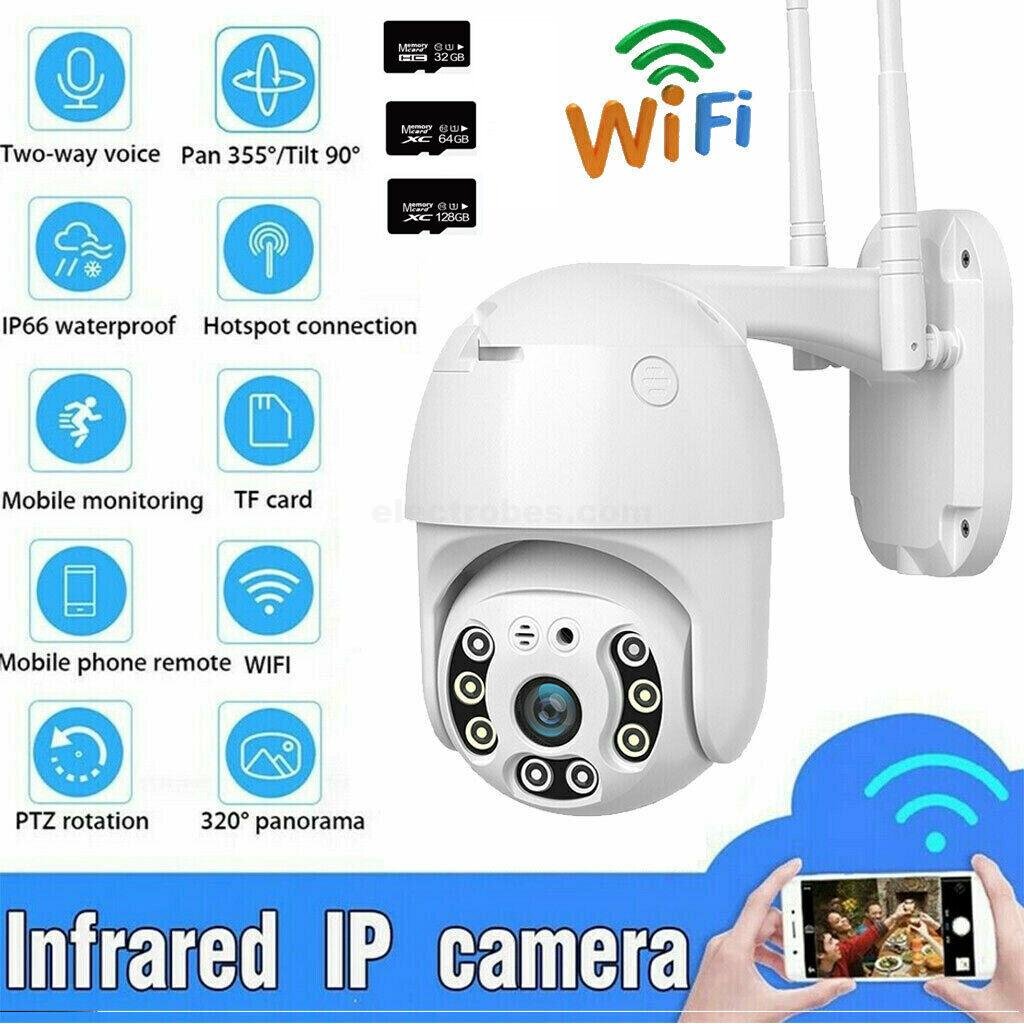
Security and surveillance systems play a crucial role in protecting homes, businesses, and public spaces. CCTV cameras are a common sight in today’s world, providing a sense of security and peace of mind to many. However, the issue of duplicate CCTV cameras has become a growing concern in the industry.
Duplicate CCTV cameras refer to counterfeit or unauthorized replicas of legitimate surveillance equipment. These fake cameras are often marketed as genuine products but lack the quality, reliability, and features of authentic CCTV systems. The use of duplicate CCTV cameras poses significant risks and challenges that users need to be aware of.
One of the primary concerns with duplicate CCTV cameras is their inferior quality and performance. These counterfeit devices may not provide clear images or reliable footage, compromising the effectiveness of surveillance efforts. Inadequate video quality can hinder the identification of individuals or activities captured on camera, rendering the system ineffective in monitoring and recording incidents.
Moreover, duplicate CCTV cameras may lack essential security features found in authentic systems. This can make them vulnerable to hacking or tampering, putting sensitive data and privacy at risk. Unauthorized access to a compromised surveillance system can have serious consequences, including unauthorized monitoring, data theft, or sabotage.
Another issue with duplicate CCTV cameras is their lack of warranty and technical support. Legitimate manufacturers offer warranties and customer support services to ensure the proper functioning and maintenance of their products. In contrast, counterfeit devices typically come with no guarantees or after-sales assistance, leaving users stranded in case of malfunctions or issues.
To avoid falling victim to duplicate CCTV cameras, it is essential to purchase security equipment from reputable suppliers and authorized dealers. Conducting thorough research on manufacturers and product specifications can help consumers distinguish between genuine and fake devices. Additionally, investing in professional installation services can ensure that surveillance systems are set up correctly and securely.
In conclusion, the proliferation of duplicate CCTV cameras poses a significant threat to security and surveillance efforts. By being vigilant and informed about the risks associated with counterfeit devices, users can make informed decisions when selecting security equipment for their homes or businesses.
7 Essential Tips to Prevent and Manage Duplicate CCTV Cameras
- Ensure each CCTV camera has a unique identifier or label.
- Create a detailed map indicating the location of each CCTV camera.
- Regularly check and verify the footage from all cameras to detect duplicates.
- Implement access controls to prevent unauthorized duplication of cameras.
- Use tamper-evident seals or locks on camera connections to deter duplication attempts.
- Train staff on the importance of maintaining a non-duplicated CCTV system.
- Perform periodic audits to identify and address any instances of duplicate CCTV cameras.
Ensure each CCTV camera has a unique identifier or label.
One crucial tip to prevent the use of duplicate CCTV cameras is to ensure that each camera has a unique identifier or label. By assigning a distinct identification code or label to every surveillance camera in a system, users can easily verify the authenticity and origin of each device. This practice not only helps in detecting any unauthorized or counterfeit cameras but also aids in tracking and managing the security equipment effectively. With unique identifiers, users can maintain a comprehensive inventory of their CCTV cameras and ensure that only genuine devices are installed for reliable and secure surveillance operations.
Create a detailed map indicating the location of each CCTV camera.
Creating a detailed map indicating the location of each CCTV camera is a valuable tip to enhance security and surveillance effectiveness. By mapping out the placement of all cameras, users can optimize coverage, identify blind spots, and ensure comprehensive monitoring of key areas. This visual representation allows for better strategic planning in positioning cameras to maximize surveillance reach and minimize potential vulnerabilities. Additionally, a mapped layout of CCTV camera locations can aid in troubleshooting issues, conducting maintenance checks, and responding promptly to security incidents. Overall, a well-planned map of CCTV camera placements is an essential tool for improving the overall security infrastructure and enhancing surveillance capabilities.
Regularly check and verify the footage from all cameras to detect duplicates.
Regularly checking and verifying the footage from all CCTV cameras is a crucial tip to detect duplicate devices. By reviewing the footage captured by each camera, users can identify any inconsistencies or discrepancies that may indicate the presence of counterfeit or unauthorized surveillance equipment. This proactive approach not only helps in maintaining the integrity and effectiveness of the security system but also ensures that genuine cameras are functioning correctly and providing reliable monitoring capabilities. Vigilance in monitoring and verifying camera footage can help prevent security breaches and protect against potential risks associated with duplicate CCTV cameras.
Implement access controls to prevent unauthorized duplication of cameras.
Implementing access controls is a crucial tip to prevent unauthorized duplication of CCTV cameras. By setting up strict access controls, such as password protection and user permissions, you can restrict the ability to copy or replicate surveillance equipment without proper authorization. This security measure helps safeguard the integrity of your CCTV system and prevents unauthorized individuals from tampering with or creating duplicate cameras that could compromise the effectiveness of your security setup.
Use tamper-evident seals or locks on camera connections to deter duplication attempts.
Utilizing tamper-evident seals or locks on camera connections is a valuable tip to safeguard against duplicate CCTV camera attempts. These security measures act as a deterrent, making it more challenging for unauthorized individuals to tamper with or replace legitimate cameras with counterfeit ones. By implementing tamper-evident seals or locks, users can enhance the integrity of their surveillance systems and minimize the risk of falling victim to duplicate CCTV camera schemes.
Train staff on the importance of maintaining a non-duplicated CCTV system.
It is crucial to train staff on the significance of maintaining a non-duplicated CCTV system to ensure optimal security and surveillance effectiveness. By educating employees on the risks associated with duplicate CCTV cameras and the benefits of using authentic, legitimate systems, organizations can enhance their overall security posture. Staff members should be made aware of the potential consequences of using counterfeit devices, such as compromised video quality, vulnerability to cyber threats, and lack of warranty or technical support. By emphasizing the importance of authenticity and reliability in surveillance equipment, businesses can mitigate risks and maintain a robust security infrastructure.
Perform periodic audits to identify and address any instances of duplicate CCTV cameras.
Performing periodic audits is a crucial step in ensuring the effectiveness and integrity of your surveillance system. By conducting regular checks to identify and address any instances of duplicate CCTV cameras, you can maintain the security and reliability of your monitoring setup. Audits help in verifying the authenticity of each camera, detecting any unauthorized or counterfeit devices, and taking prompt action to replace them with genuine equipment. This proactive approach not only enhances the overall security of your premises but also helps in preventing potential risks associated with duplicate CCTV cameras, such as compromised footage quality or security vulnerabilities.