Smoke sensors, also known as smoke detectors, play a crucial role in ensuring the safety of homes, offices, and public spaces by detecting the presence of smoke particles in the air. These devices are designed to trigger an alarm when they sense smoke, alerting occupants to a potential fire hazard and allowing them to take necessary precautions or evacuate the premises promptly.
So how exactly do smoke sensors work? Most modern smoke detectors operate based on one of two primary technologies: ionization and photoelectric.
Ionization Smoke Sensors:
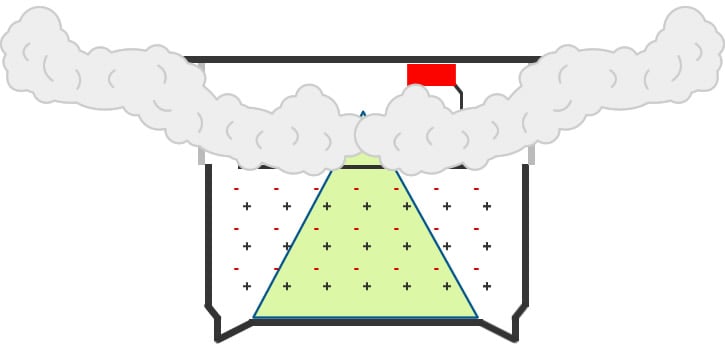
In ionization smoke sensors, a small amount of radioactive material is used to create an electrically charged air chamber within the device. When smoke enters this chamber, it disrupts the flow of ions, causing a drop in electrical current. This change triggers the alarm, indicating the presence of smoke particles in the air. Ionization smoke sensors are highly sensitive to fast-burning fires with little visible smoke.
Photoelectric Smoke Sensors:
Photoelectric smoke sensors work by using a light source (usually an LED) and a light sensor positioned at an angle to detect scattered light from smoke particles. When smoke enters the sensing chamber, it reflects light onto the sensor, causing it to trigger the alarm. Photoelectric smoke sensors are more effective at detecting slow-burning fires that produce more visible smoldering smoke.
Some advanced smoke detectors combine both ionization and photoelectric technologies for enhanced fire detection capabilities. These dual-sensor alarms provide comprehensive coverage and can quickly detect a wide range of fire types.
In addition to their primary function of detecting smoke, many modern smoke sensors also come equipped with features such as built-in sirens, battery backup systems, wireless connectivity for remote monitoring, and integration with smart home automation platforms for added convenience and safety.
Regular maintenance and testing of smoke sensors are essential to ensure their proper functioning when needed. It is recommended to test your smoke detectors monthly by pressing the test button and replace batteries at least once a year or as instructed by the manufacturer.
By understanding how smoke sensors work and taking proactive measures to maintain them regularly, you can help safeguard your property and loved ones against the devastating effects of fires.
Understanding Smoke Sensors: Key FAQs on Functionality, Types, and Maintenance
- How does a smoke sensor work?
- What are the different types of smoke sensors?
- What is the difference between ionization and photoelectric smoke sensors?
- Do smoke sensors detect all types of fires?
- Are dual-sensor smoke alarms better than single-sensor ones?
- How often should I test my smoke sensor?
- Why is it important to maintain and test smoke sensors regularly?
- Can smoke sensors be integrated with smart home automation systems?
How does a smoke sensor work?
A smoke sensor works by detecting the presence of smoke particles in the air through specialized technologies such as ionization or photoelectric mechanisms. In ionization smoke sensors, a radioactive material creates an electrically charged air chamber that is disrupted by smoke particles, triggering an alarm. On the other hand, photoelectric smoke sensors use light sources and sensors to detect scattered light from smoke, activating the alarm when smoke particles reflect light onto the sensor. Some advanced smoke detectors combine both technologies for comprehensive fire detection capabilities. Regular maintenance and testing are crucial to ensure the proper functioning of smoke sensors in alerting occupants to potential fire hazards promptly.
What are the different types of smoke sensors?
There are primarily two types of smoke sensors commonly used in smoke detectors: ionization smoke sensors and photoelectric smoke sensors. Ionization smoke sensors utilize a small amount of radioactive material to create an electrically charged air chamber that detects disruptions in current caused by smoke particles. These sensors are sensitive to fast-burning fires with minimal visible smoke. On the other hand, photoelectric smoke sensors work by using a light source and sensor to detect scattered light from smoke particles, triggering the alarm when smoke enters the sensing chamber. Photoelectric sensors are more effective at detecting slow-burning fires that produce more visible smoldering smoke. Some advanced smoke detectors combine both ionization and photoelectric technologies for comprehensive fire detection capabilities.
What is the difference between ionization and photoelectric smoke sensors?
When it comes to smoke sensors, the main difference between ionization and photoelectric smoke sensors lies in their detection methods. Ionization smoke sensors use a radioactive material to create an electrically charged air chamber that detects changes in ion flow when smoke particles enter. These sensors are more sensitive to fast-burning fires with little visible smoke. On the other hand, photoelectric smoke sensors operate by using a light source and sensor to detect scattered light from smoke particles entering the sensing chamber. They are better at detecting slow-burning fires that produce more visible smoldering smoke. Understanding the distinction between these two types of smoke sensors can help individuals choose the most suitable option for their specific safety needs and preferences.
Do smoke sensors detect all types of fires?
Smoke sensors are designed to detect different types of fires, but it’s important to note that no single smoke sensor can detect all types of fires with 100% accuracy. Ionization smoke sensors are more sensitive to fast-burning fires with little visible smoke, while photoelectric smoke sensors are better at detecting slow-burning fires that produce more smoldering smoke. Some advanced smoke detectors combine both technologies for comprehensive coverage. However, certain types of fires, such as those that start quickly and burn without producing much smoke, may not be detected by traditional smoke sensors. It is always recommended to have a combination of different fire detection methods and to follow best practices for fire safety to ensure maximum protection against various fire hazards.
Are dual-sensor smoke alarms better than single-sensor ones?
When it comes to choosing between dual-sensor smoke alarms and single-sensor ones, the decision often boils down to the level of comprehensive fire detection you seek. Dual-sensor smoke alarms, which combine both ionization and photoelectric technologies, offer a more versatile approach to fire detection by being able to detect a wider range of fire types efficiently. While single-sensor smoke alarms may excel in specific scenarios, such as fast-burning fires for ionization sensors or slow-burning fires for photoelectric sensors, dual-sensor alarms provide a more balanced and reliable coverage overall. Investing in a dual-sensor smoke alarm can provide added peace of mind knowing that you have enhanced protection against various fire hazards.
How often should I test my smoke sensor?
Testing your smoke sensor regularly is crucial to ensure that it functions properly when needed. It is recommended to test your smoke sensor at least once a month to verify that the alarm sound is loud and clear. Additionally, it is important to replace the batteries in your smoke sensor at least once a year or as per the manufacturer’s instructions to maintain its reliability. By establishing a routine of regular testing and maintenance, you can have peace of mind knowing that your smoke sensor is ready to alert you in case of a fire emergency.
Why is it important to maintain and test smoke sensors regularly?
Regular maintenance and testing of smoke sensors is crucial for ensuring their reliable operation in detecting smoke and alerting occupants to potential fire hazards. By conducting routine checks and tests on smoke sensors, you can verify that the devices are functioning correctly and are responsive to smoke particles in the air. Regular maintenance helps prevent false alarms, ensures early detection of fires, and provides peace of mind knowing that your smoke sensors are ready to alert you in case of an emergency. Additionally, maintaining and testing smoke sensors regularly can extend their lifespan, reduce the risk of malfunctions, and ultimately enhance the overall safety and security of your home or workplace.
Can smoke sensors be integrated with smart home automation systems?
Yes, smoke sensors can be integrated with smart home automation systems to enhance the overall safety and convenience of your living space. By connecting smoke detectors to a smart home network, you can receive real-time alerts on your smartphone or other smart devices in case of a fire emergency, even when you are away from home. This integration allows for remote monitoring and control of the smoke sensors, enabling you to take immediate action in the event of a potential fire hazard. Additionally, integrating smoke sensors with smart home automation systems can enable automatic responses such as turning off HVAC systems to prevent the spread of smoke, activating emergency lighting, or triggering pre-set evacuation protocols for enhanced safety measures.