
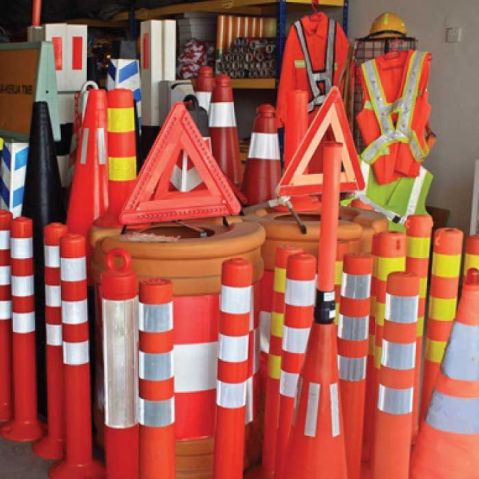
Ensuring road safety is a shared responsibility that requires the collective efforts of both authorities and individuals. One crucial aspect of road safety is the use of appropriate road safety items that help prevent accidents and protect both drivers and pedestrians. Let’s explore some essential road safety items that play a significant role in enhancing safety on our roads.
Reflective Road Studs
Reflective road studs are small devices installed on roads to provide visibility, especially during low light conditions or at night. These studs reflect light from vehicle headlights, making road markings and lanes clearly visible to drivers, thus reducing the risk of accidents due to poor visibility.
Safety Cones
Safety cones are brightly colored cones placed on roads to alert drivers about potential hazards, lane closures, or construction zones ahead. These cones serve as a visual warning for drivers to slow down and navigate safely around obstacles or work areas.
Speed Bumps
Speed bumps are raised sections on roads designed to reduce vehicle speed in specific areas such as residential neighborhoods, school zones, or parking lots. By slowing down traffic, speed bumps enhance road safety by minimizing the risk of accidents caused by speeding vehicles.
Traffic Signs
Traffic signs play a critical role in communicating important information to drivers regarding speed limits, directions, hazards, pedestrian crossings, and more. Clear and visible traffic signs help drivers make informed decisions while navigating roads, promoting orderly and safe traffic flow.
Safety Barriers
Safety barriers are physical structures installed along roadsides or medians to prevent vehicles from veering off the road or crossing into opposing lanes. These barriers absorb impact energy during collisions, reducing the severity of accidents and protecting motorists from dangerous roadside obstacles.
Crosswalk Markings
Crosswalk markings are designated pedestrian crossing areas painted on roads to indicate where pedestrians can safely cross. These markings enhance pedestrian visibility and alert drivers to yield the right of way at crosswalks, promoting pedestrian safety at intersections and crossings.
By incorporating these essential road safety items into our infrastructure and driving practices, we can create safer roads for all users. Remember that road safety is everyone’s responsibility, so let’s prioritize safety measures and promote a culture of safe driving habits for a better and secure transportation environment.
Understanding Road Safety Items: 7 Key Questions and Their Impact on Enhancing Road Safety
- What are reflective road studs and how do they enhance road safety?
- Why are safety cones important for road safety?
- How do speed bumps contribute to enhancing road safety?
- What is the significance of traffic signs in promoting road safety?
- How do safety barriers help prevent accidents on roads?
- Why are crosswalk markings essential for pedestrian safety?
- What are the best practices for using road safety items to improve overall road safety?
What are reflective road studs and how do they enhance road safety?
Reflective road studs are small devices installed on roads to provide enhanced visibility, especially during low light conditions or at night. These studs are designed to reflect light from vehicle headlights, making road markings and lanes clearly visible to drivers. By improving visibility, reflective road studs help drivers navigate roads more safely and confidently, reducing the risk of accidents due to poor visibility. Their reflective properties play a crucial role in guiding drivers, delineating lanes, and highlighting potential hazards, ultimately enhancing road safety for all road users.
Why are safety cones important for road safety?
Safety cones play a crucial role in enhancing road safety by serving as visible markers that alert drivers to potential hazards, lane closures, or construction zones ahead. These brightly colored cones provide a visual warning to drivers, prompting them to slow down and navigate safely around obstacles or work areas. By effectively communicating temporary changes in road conditions, safety cones help prevent accidents and promote smoother traffic flow. Their presence not only improves driver awareness but also protects road workers and pedestrians by creating a safe buffer zone between moving vehicles and construction activities. Overall, safety cones are essential tools that contribute to maintaining order, reducing risks, and ensuring the safety of all road users.
How do speed bumps contribute to enhancing road safety?
Speed bumps play a crucial role in enhancing road safety by effectively reducing vehicle speed in specific areas such as residential neighborhoods, school zones, and parking lots. By forcing drivers to slow down when approaching these raised sections on the road, speed bumps help prevent accidents caused by speeding vehicles. The presence of speed bumps encourages motorists to adhere to designated speed limits, improving overall road safety for both drivers and pedestrians. Additionally, speed bumps serve as a visual and tactile reminder for drivers to exercise caution, especially in areas where children or pedestrians may be present, ultimately promoting a safer and more controlled traffic environment.
What is the significance of traffic signs in promoting road safety?
Traffic signs play a crucial role in promoting road safety by providing essential information and guidance to drivers, pedestrians, and other road users. These signs convey important messages regarding speed limits, directions, hazards, pedestrian crossings, and regulatory instructions that help ensure orderly and safe traffic flow. By following traffic signs diligently, drivers can make informed decisions, anticipate potential dangers, and navigate roads more effectively. The visibility and clarity of traffic signs contribute significantly to reducing confusion, preventing accidents, and enhancing overall road safety for everyone on the road.
How do safety barriers help prevent accidents on roads?
Safety barriers play a crucial role in preventing accidents on roads by providing a physical barrier between vehicles and potential hazards. These barriers are designed to absorb impact energy during collisions, redirecting or stopping vehicles from veering off the road or crossing into opposing lanes. By effectively separating traffic flows and minimizing the risk of head-on collisions or roadside accidents, safety barriers help protect motorists and passengers from serious injuries and fatalities. Additionally, safety barriers enhance road safety by reducing the severity of accidents, controlling vehicle speed, and improving overall traffic management, making roads safer for all users.
Why are crosswalk markings essential for pedestrian safety?
Crosswalk markings are essential for pedestrian safety as they serve as designated crossing points where pedestrians can safely navigate roadways. These markings enhance pedestrian visibility and alert drivers to the presence of pedestrians, promoting mutual awareness and adherence to traffic rules. By clearly demarcating crosswalks, pedestrians are guided towards safe crossing areas, reducing the risk of accidents and improving overall road safety. Additionally, crosswalk markings help establish a clear right of way for pedestrians, encouraging drivers to yield and prioritize pedestrian safety at intersections and crossings. Overall, crosswalk markings play a crucial role in enhancing pedestrian safety by creating a structured and organized environment for both pedestrians and motorists to coexist harmoniously on the roads.
What are the best practices for using road safety items to improve overall road safety?
To enhance overall road safety through the effective use of road safety items, it is essential to follow best practices that prioritize visibility, communication, and hazard mitigation. Firstly, ensure that road safety items such as reflective road studs, safety cones, and traffic signs are strategically placed in locations with high visibility to alert drivers about potential hazards and guide them safely. Regular maintenance and replacement of worn-out or damaged safety items are crucial to ensure their effectiveness. Additionally, educating drivers and pedestrians about the meaning and importance of various road safety items can help promote awareness and compliance with safety regulations. By incorporating these best practices into road safety initiatives, we can collectively work towards creating safer roads for everyone.