Fire Detection Alarm System: Ensuring Safety and Security
A fire detection alarm system is a crucial component of any building’s safety and security infrastructure. Designed to detect the presence of fire or smoke in its early stages, these systems play a vital role in alerting occupants and authorities to potential fire hazards, allowing for timely evacuation and intervention.
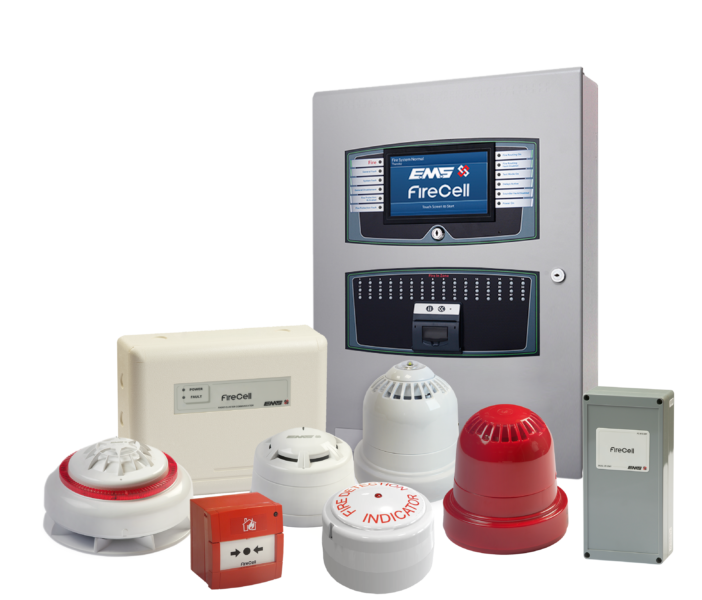
There are various types of fire detection alarm systems available, ranging from basic smoke detectors to more advanced systems that incorporate heat sensors, flame detectors, and carbon monoxide sensors. These systems can be standalone units or integrated into a larger fire protection system that includes sprinklers, fire extinguishers, and emergency lighting.
The primary function of a fire detection alarm system is to detect abnormal levels of smoke or heat in the environment. When the system identifies a potential fire hazard, it activates an alarm to alert occupants of the building. In addition to audible alarms, modern systems may also include visual alerts such as flashing lights or text displays to ensure that all individuals are aware of the situation.
Furthermore, many fire detection alarm systems are connected to a central monitoring station that receives alerts in real-time. This allows trained professionals to assess the situation quickly and dispatch emergency services if necessary. In some cases, these systems can also be configured to automatically contact the local fire department in the event of a confirmed fire.
Regular maintenance and testing are essential for ensuring the reliability and effectiveness of a fire detection alarm system. Building owners should schedule routine inspections by qualified technicians to check for any faults or malfunctions and replace batteries as needed. It is also important to conduct regular drills with occupants to ensure they know how to respond in case of an emergency.
In conclusion, a properly installed and maintained fire detection alarm system is essential for protecting lives and property in the event of a fire. By investing in this critical safety measure, building owners can provide peace of mind for occupants and help minimize the risk of devastating losses due to fires.
Understanding Fire Detection and Alarm Systems: Key Differences, Types, and Functions Explained
- What is the difference between fire alarm and fire detection system?
- What are the 5 types of fire alarm system?
- How do fire alarm detectors work?
- What are the 4 main types of fire alarm systems?
- What is a fire detection and alarm system?
- What are the three main types of fire alarms?
What is the difference between fire alarm and fire detection system?
One frequently asked question regarding fire safety systems is the difference between a fire alarm system and a fire detection system. While both are essential components of a comprehensive fire protection strategy, they serve distinct purposes. A fire detection system is designed to sense the presence of smoke, heat, or other indicators of a potential fire and trigger an alert. On the other hand, a fire alarm system is responsible for notifying occupants of the building about the detected fire through audible and visual signals. In essence, the detection system identifies the hazard, while the alarm system communicates it to those at risk, enabling timely evacuation and response to mitigate the impact of a fire emergency.
What are the 5 types of fire alarm system?
There are five main types of fire alarm systems commonly used for fire detection and safety purposes:
- Conventional Fire Alarm Systems: These systems divide a building into zones to detect the location of a fire.
- Addressable Fire Alarm Systems: Each device in this system has a unique address, allowing for precise identification of the location of a fire.
- Analog Addressable Fire Alarm Systems: Similar to addressable systems but with more advanced features like smoke level sensing.
- Wireless Fire Alarm Systems: These systems use wireless technology for easy installation and flexibility in expanding the system.
- Intelligent Fire Alarm Systems: These systems use advanced algorithms to analyze data and provide early detection of potential fire hazards.
Each type of fire alarm system offers its own set of features and benefits, catering to different building requirements and safety needs. It is essential to choose the right type of system based on factors such as building size, occupancy, and level of protection required to ensure effective fire detection and response.
How do fire alarm detectors work?
Fire alarm detectors work by continuously monitoring the environment for signs of smoke, heat, or other indicators of a fire. There are different types of fire alarm detectors, including ionization smoke detectors, photoelectric smoke detectors, heat detectors, and multi-sensor detectors. Ionization smoke detectors use a small amount of radioactive material to ionize the air inside the detector. When smoke particles enter the chamber, they disrupt the ion flow and trigger the alarm. Photoelectric smoke detectors work by using a light source and a sensor that detects scattered light. When smoke enters the chamber, it scatters the light onto the sensor, causing the alarm to activate. Heat detectors respond to changes in temperature and are typically used in areas where smoke detectors may not be suitable, such as kitchens or garages. Multi-sensor detectors combine different detection technologies for enhanced accuracy and reliability in detecting fires.
What are the 4 main types of fire alarm systems?
There are four main types of fire alarm systems commonly used for detecting and alerting individuals to the presence of fire hazards. The first type is the conventional fire alarm system, which divides a building into zones to pinpoint the location of a potential fire. Addressable fire alarm systems, on the other hand, provide specific information about the exact location of a triggered alarm, making them ideal for larger buildings. Another type is analog addressable fire alarm systems, which offer more detailed information and flexibility in programming compared to conventional systems. Lastly, wireless fire alarm systems eliminate the need for extensive wiring and are easily scalable for buildings with changing layouts or structures.
What is a fire detection and alarm system?
A fire detection and alarm system is a crucial safety mechanism designed to detect the presence of fire or smoke in its early stages within a building or premises. It consists of various sensors, detectors, and alarms that work together to identify potential fire hazards and alert occupants and authorities promptly. These systems are essential for ensuring the safety and security of individuals by providing early warning signals that enable timely evacuation and intervention to mitigate the risk of fire-related incidents.
What are the three main types of fire alarms?
When it comes to fire alarms, there are three main types that are commonly used for fire detection and alerting purposes. The first type is ionization smoke alarms, which are sensitive to small particles produced by fast-burning fires. The second type is photoelectric smoke alarms, which are effective at detecting smoldering fires that produce large smoke particles. The third type is heat alarms, which respond to increases in temperature rather than smoke particles, making them suitable for areas where smoke detectors may not be appropriate. Each of these types of fire alarms serves a specific purpose in providing early warning and protection against different types of fire hazards.