
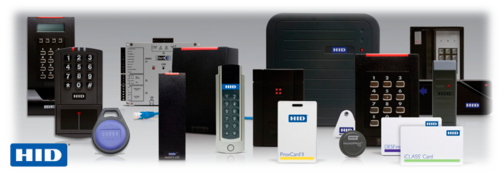
Access control systems play a crucial role in ensuring the security and safety of various premises, ranging from residential buildings to commercial establishments. One advanced form of access control system that has gained popularity in recent years is HID access control.
HID access control systems utilize cutting-edge technology to provide secure and convenient access management solutions. HID, which stands for “Humphrey Identification,” offers a range of products and solutions designed to enhance security measures while simplifying access control processes.
One of the key features of HID access control systems is the use of proximity cards or key fobs embedded with RFID technology. These cards or fobs can be easily scanned by card readers installed at entry points, allowing authorized individuals to gain access swiftly and efficiently. This eliminates the need for traditional keys or codes, reducing the risk of unauthorized entry.
Moreover, HID access control systems offer flexibility and scalability, making them suitable for various applications and environments. Whether it’s a small office building or a large industrial facility, HID systems can be customized to meet specific security requirements.
In addition to providing secure access management, HID systems also offer advanced features such as real-time monitoring, audit trails, and integration capabilities with other security systems. This ensures comprehensive protection against potential security threats and unauthorized access attempts.
Overall, HID access control systems represent a reliable and efficient solution for enhancing security measures in today’s dynamic environment. With their innovative technology and user-friendly interface, HID systems continue to set the standard for modern access control solutions.
Top 9 Advantages of HID Access Control Systems for Modern Security Solutions
- Enhanced security through RFID technology
- Convenient access for authorized individuals
- Elimination of traditional keys and codes
- Flexibility to customize for different environments
- Scalability to meet varying security needs
- Real-time monitoring for proactive security management
- Detailed audit trails for tracking access activities
- Integration capabilities with other security systems
- User-friendly interface for ease of use
Considerations for HID Access Control: Cost, Maintenance, and Reliability Challenges
- Initial setup costs can be higher compared to traditional access control systems.
- Maintenance and replacement of lost or damaged proximity cards/key fobs can add to operational expenses.
- Dependence on electronic components may lead to system downtime in case of power outages or technical issues.
Enhanced security through RFID technology
Enhanced security through RFID technology is a significant advantage of HID access control systems. By utilizing RFID technology in proximity cards or key fobs, HID systems offer a secure and efficient way to manage access to premises. The unique identification codes stored in RFID-enabled cards ensure that only authorized individuals can gain entry, reducing the risk of unauthorized access and enhancing overall security measures. This advanced technology provides a reliable means of authentication, making it difficult for intruders to bypass security protocols and ensuring that access control remains robust and effective.
Convenient access for authorized individuals
Convenient access for authorized individuals is a significant advantage of HID access control systems. By using proximity cards or key fobs embedded with RFID technology, authorized individuals can easily gain entry by simply scanning their cards or fobs at designated card readers. This streamlined process eliminates the need for traditional keys or codes, making access quick and hassle-free. With HID access control, authorized individuals can move through secured areas efficiently, enhancing convenience without compromising security measures.
Elimination of traditional keys and codes
The key advantage of HID access control systems lies in the elimination of traditional keys and codes. By utilizing proximity cards or key fobs embedded with RFID technology, HID systems offer a more secure and convenient method of access management. This not only reduces the risk of unauthorized entry but also streamlines the access process for authorized individuals. With the need for physical keys and memorizing codes removed, users can simply scan their cards or fobs at designated readers to gain swift and efficient access to secured areas. This feature not only enhances security measures but also improves overall user experience, making HID access control systems a practical and reliable solution for modern security needs.
Flexibility to customize for different environments
One significant advantage of HID access control systems is their flexibility to be customized for different environments. Whether it’s a small office, a residential building, a healthcare facility, or a large industrial complex, HID systems can be tailored to meet the specific security needs of each environment. This customization capability ensures that the access control system is optimized for the unique layout, size, and requirements of the premises, providing enhanced security and convenience for users. Whether it’s adjusting access levels for different areas or integrating with existing security systems, HID access control offers a versatile solution that can adapt to various settings seamlessly.
Scalability to meet varying security needs
Scalability is a key advantage of HID access control systems as they can easily adapt to meet varying security needs. Whether it’s a small office requiring basic access control or a large organization with complex security requirements, HID systems can be scaled up or down accordingly. This flexibility allows businesses to expand their security measures as needed, ensuring that the access control system remains effective and efficient in protecting the premises and assets. With HID access control, organizations can confidently address their evolving security needs without compromising on reliability or performance.
Real-time monitoring for proactive security management
Real-time monitoring is a significant advantage of HID access control systems as it enables proactive security management. By providing instant access to live data and alerts, real-time monitoring allows security personnel to respond promptly to any suspicious activities or security breaches. This proactive approach enhances overall security measures by enabling quick interventions and mitigating potential risks before they escalate. With real-time monitoring capabilities, HID access control systems empower organizations to maintain a vigilant eye on their premises, ensuring a safe and secure environment at all times.
Detailed audit trails for tracking access activities
Detailed audit trails provided by HID access control systems offer a valuable pro by enabling thorough tracking of access activities. This feature allows administrators to monitor and review all access events in real-time, providing insight into who accessed specific areas at any given time. By maintaining detailed audit trails, organizations can enhance security measures, identify potential security breaches, and ensure accountability among users. The ability to track access activities comprehensively adds an extra layer of protection and transparency to the overall security infrastructure, making HID access control systems a reliable choice for effective access management.
Integration capabilities with other security systems
The integration capabilities of HID access control systems with other security systems offer a significant advantage in enhancing overall security measures. By seamlessly connecting with CCTV cameras, alarm systems, and biometric scanners, HID access control ensures a comprehensive and cohesive security infrastructure. This integration allows for centralized monitoring and management of multiple security components, providing a more robust defense against potential threats and unauthorized access attempts. The ability to synchronize different security systems with HID access control not only improves efficiency but also enhances the overall effectiveness of the security setup, making it a valuable asset for any organization looking to bolster its safety measures.
User-friendly interface for ease of use
HID access control systems are highly regarded for their user-friendly interface, which enhances ease of use for individuals interacting with the system. With intuitive features and straightforward navigation, users can easily operate HID access control systems without the need for extensive training or technical knowledge. This pro of HID access control not only simplifies the access management process but also contributes to a seamless and efficient user experience, ultimately improving overall security measures within various premises.
Initial setup costs can be higher compared to traditional access control systems.
One drawback of HID access control systems is that the initial setup costs can be higher when compared to traditional access control systems. The advanced technology and sophisticated features of HID systems often require specialized equipment and professional installation, which can contribute to higher upfront expenses. While HID access control offers numerous benefits in terms of security and convenience, the higher initial investment may pose a challenge for organizations with budget constraints or limited resources.
Maintenance and replacement of lost or damaged proximity cards/key fobs can add to operational expenses.
One significant drawback of HID access control systems is the maintenance and replacement costs associated with lost or damaged proximity cards/key fobs. When employees or authorized individuals misplace their cards or fobs, it can result in additional operational expenses to issue new ones. Not only does this incur a financial cost, but it also requires time and effort to reprogram the replacements and ensure that security protocols are maintained. This ongoing need for card/fob management can add to the overall operational expenses of maintaining an HID access control system, making it a potential con for organizations seeking cost-effective security solutions.
Dependence on electronic components may lead to system downtime in case of power outages or technical issues.
One significant drawback of HID access control systems is their reliance on electronic components, which can pose a risk of system downtime during power outages or technical malfunctions. In the event of a power failure, the system may become inoperable, potentially compromising security measures and restricting access for authorized individuals. Similarly, technical issues such as hardware failures or software glitches can disrupt the functionality of HID access control systems, resulting in delays and vulnerabilities in access management. It is essential for organizations using HID systems to have contingency plans in place to address such situations and minimize the impact of system downtime on security operations.