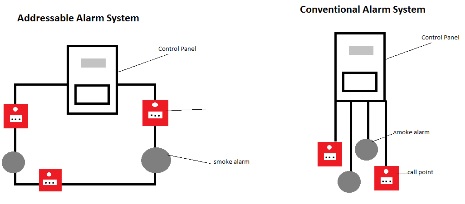
Addressable smoke detectors are a crucial component of modern fire detection and alarm systems. Unlike conventional smoke detectors that are standalone units, addressable smoke detectors are part of a larger networked system that provides more detailed information about the location of a fire or smoke event within a building.
One of the key features of addressable smoke detectors is their ability to communicate with a central control panel, providing real-time data on the status of each individual detector in the system. This means that in the event of a fire, the exact location of the alarm can be pinpointed quickly, allowing for a faster response from emergency services.
Addressable smoke detectors are also known for their advanced monitoring capabilities. They can provide information on factors such as smoke density, temperature changes, and even the presence of carbon monoxide, giving building occupants and emergency responders valuable insights into the severity of a fire situation.
Another advantage of addressable smoke detectors is their ease of maintenance. Because each detector has its own unique address within the system, technicians can easily identify and troubleshoot any issues that may arise without having to manually check each individual unit.
In addition to their functionality and reliability, addressable smoke detectors are also highly customizable to suit the specific needs of different buildings and environments. They can be integrated with other security systems, such as access control or video surveillance, providing a comprehensive approach to safety and security.
Overall, addressable smoke detectors play a vital role in ensuring early detection and swift response to fire emergencies. Their advanced technology and intelligent design make them an essential component of any modern fire protection system.
Understanding Addressable Smoke Detectors: Key FAQs and Insights
- What is an addressable smoke detector?
- How does an addressable smoke detector work?
- What are the benefits of using addressable smoke detectors?
- How are addressable smoke detectors different from conventional smoke detectors?
- Are addressable smoke detectors more expensive than conventional ones?
- Can addressable smoke detectors be integrated with other security systems?
- How often should addressable smoke detectors be tested and maintained?
- Are there any regulations or standards that govern the installation of addressable smoke detectors?
What is an addressable smoke detector?
An addressable smoke detector is a sophisticated device that is part of a networked fire detection system. Unlike conventional smoke detectors, addressable smoke detectors are uniquely identified by their specific address within the system, allowing for individual monitoring and control. This means that in the event of a fire or smoke detection, the exact location of the alarm can be pinpointed quickly, providing crucial information to building occupants and emergency responders. Addressable smoke detectors offer advanced features such as real-time data transmission to a central control panel, detailed monitoring of environmental factors, and seamless integration with other security systems for comprehensive safety measures.
How does an addressable smoke detector work?
Addressable smoke detectors work by communicating with a central control panel through a networked system. Each detector in the system is assigned a unique address, allowing it to send specific information about its status to the control panel. When smoke is detected, the addressable smoke detector sends a signal to the control panel, which then displays the exact location of the alarm on a graphical interface. This detailed information enables building occupants and emergency responders to quickly identify the source of the fire and take appropriate action. Addressable smoke detectors are designed to provide more precise and timely information compared to conventional detectors, making them an effective tool in enhancing fire safety and protection.
What are the benefits of using addressable smoke detectors?
Addressable smoke detectors offer several key benefits that make them a preferred choice for modern fire detection systems. One of the primary advantages is their ability to provide precise information about the location of a fire or smoke event within a building, enabling quicker response times and more effective evacuation procedures. Additionally, addressable smoke detectors offer advanced monitoring capabilities, such as detecting changes in smoke density, temperature variations, and even the presence of carbon monoxide, providing valuable insights into the severity of a fire situation. Their ease of maintenance and customization options further enhance their appeal, making them a reliable and efficient solution for ensuring the safety and security of occupants in commercial and residential buildings.
How are addressable smoke detectors different from conventional smoke detectors?
Addressable smoke detectors differ from conventional smoke detectors in several key ways. Unlike conventional smoke detectors, addressable smoke detectors are part of a networked system where each detector has a unique address and can communicate with a central control panel. This allows for individual detectors to provide specific information about their status and location within a building, enabling quicker identification of the exact source of a fire or smoke event. Additionally, addressable smoke detectors offer advanced monitoring capabilities, providing data on factors like smoke density, temperature changes, and carbon monoxide levels. This detailed information enhances the overall efficiency and effectiveness of fire detection and alarm systems, making them an ideal choice for larger buildings or facilities where pinpoint accuracy is essential for swift emergency response.
Are addressable smoke detectors more expensive than conventional ones?
Addressable smoke detectors are often perceived to be more expensive than conventional ones due to their advanced features and capabilities. While the initial cost of addressable smoke detectors may be higher, they offer significant benefits that can justify the investment. Addressable smoke detectors provide precise information on the location of a fire event, enabling quicker response times and potentially minimizing damage. Additionally, their advanced monitoring capabilities and ease of maintenance can result in long-term cost savings by reducing false alarms and improving overall system efficiency. Ultimately, the decision between addressable and conventional smoke detectors should be based on the specific needs and requirements of the building or facility in question.
Can addressable smoke detectors be integrated with other security systems?
Yes, addressable smoke detectors can be easily integrated with other security systems, making them a versatile and comprehensive solution for building safety. By connecting addressable smoke detectors to other security systems such as access control, video surveillance, and fire alarm panels, users can create a seamless network that enhances overall security measures. This integration allows for centralized monitoring and control of multiple systems, providing a more efficient response to potential threats or emergencies. The ability to link addressable smoke detectors with other security devices not only improves the effectiveness of the overall system but also ensures a coordinated approach to safety and protection within a building or facility.
How often should addressable smoke detectors be tested and maintained?
Addressable smoke detectors should be tested and maintained regularly to ensure their proper functioning and reliability in detecting fire or smoke events. It is recommended to conduct routine testing and maintenance at least once every six months, following the manufacturer’s guidelines and local regulations. Regular testing involves checking the sensitivity of the detectors, verifying communication with the control panel, and ensuring that all components are clean and free from obstructions. In addition, scheduled maintenance by qualified technicians can help identify any potential issues early on and prevent false alarms or system failures during critical situations.
Are there any regulations or standards that govern the installation of addressable smoke detectors?
Yes, there are regulations and standards that govern the installation of addressable smoke detectors to ensure their proper functioning and compliance with safety requirements. In India, the National Building Code (NBC) and the Bureau of Indian Standards (BIS) provide guidelines and specifications for the installation of fire detection and alarm systems, including addressable smoke detectors. These regulations outline factors such as placement, spacing, maintenance requirements, and integration with other building systems to enhance fire safety measures. Adhering to these regulations not only helps in meeting legal requirements but also plays a crucial role in safeguarding lives and property by ensuring effective fire detection and response capabilities.