Door Access Cards: Enhancing Security and Convenience
Door access cards have become a ubiquitous feature in modern security systems, offering a convenient and secure way to control access to buildings, rooms, and facilities. These small yet powerful cards have revolutionized the way we manage entry and exit points, providing a reliable solution that combines technology with simplicity.
One of the key advantages of door access cards is their ability to restrict access to authorized personnel only. By assigning each individual a unique card programmed with specific access permissions, organizations can ensure that sensitive areas are protected from unauthorized entry. This level of control not only enhances security but also minimizes the risk of theft, vandalism, or other security breaches.
Moreover, door access cards offer a convenient alternative to traditional lock-and-key systems. Instead of carrying multiple keys or worrying about lost or stolen keys, individuals can simply carry a single access card that grants them entry to designated areas. This not only streamlines the access process but also eliminates the need for frequent rekeying or replacement of locks.
Another benefit of door access cards is their versatility and scalability. These cards can be easily integrated with other security systems such as CCTV cameras, alarms, and biometric scanners to create a comprehensive security network. Additionally, as organizations grow or change their security needs, door access card systems can be easily expanded or modified to accommodate new users or areas.
In terms of technology, door access cards have evolved significantly over the years. Modern access cards utilize advanced encryption techniques and secure protocols to prevent cloning or tampering. Some cards also incorporate additional features such as proximity sensors, biometric authentication, or mobile connectivity for added security and convenience.
Overall, door access cards offer a reliable and efficient solution for managing access control in various environments such as offices, hospitals, schools, residential buildings, and more. With their combination of security features, convenience, and adaptability, these cards continue to play a crucial role in enhancing safety and efficiency in today’s interconnected world.
Understanding Door Access Cards: Key Questions and Answers
- What are the different types of door access cards?
- How does door access card work?
- What is access card in security?
- What are the 4 types of access control?
- What is the cost of an access card?
- How does an access card work?
- How much does access control cost per door?
- What is access card for office?
What are the different types of door access cards?
When it comes to door access cards, there are several different types available to cater to varying security needs and preferences. The most common types include proximity cards, smart cards, magnetic stripe cards, and key fobs. Proximity cards use radio frequency identification (RFID) technology to grant access when in close proximity to a card reader. Smart cards, on the other hand, contain embedded microprocessors that can store and process data securely. Magnetic stripe cards utilize a magnetic stripe on the back of the card to store information that is read by a card reader. Key fobs are compact devices that can be attached to a key ring for easy access control. Each type of door access card offers unique features and benefits, allowing organizations to choose the option that best suits their security requirements.
How does door access card work?
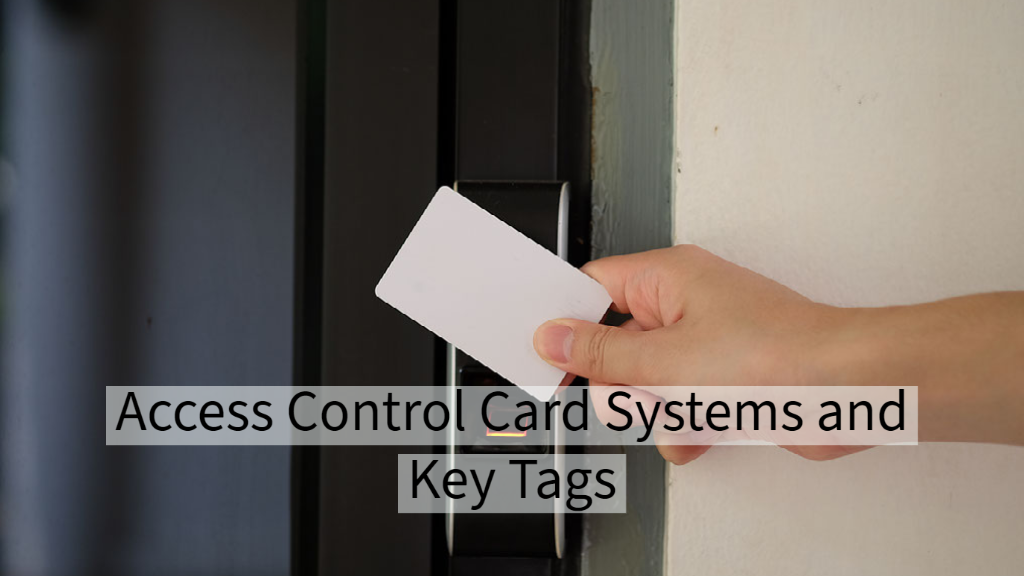
Door access cards work by utilizing RFID (Radio Frequency Identification) technology to grant or restrict entry to specific areas. Each access card is embedded with a unique code or identifier that is recognized by a card reader connected to the door lock system. When an individual presents their access card to the reader, the system verifies the card’s information and checks if the user has the necessary permissions to enter the designated area. If the access is authorized, the door lock mechanism is released, allowing the individual to open the door and gain entry. This seamless process of authentication and validation ensures that only authorized personnel can access secured areas, enhancing overall security and control within a facility.
What is access card in security?
An access card in security refers to a physical or digital credential that is used to grant or restrict entry to a secured area, building, or facility. These cards are typically encoded with specific information that determines the user’s level of access permissions, such as which doors they can unlock and at what times. Access cards are a fundamental component of modern security systems, providing a convenient and efficient way to manage and monitor who enters and exits a premises. By utilizing access cards, organizations can enhance their security measures by ensuring that only authorized individuals are granted entry, thereby reducing the risk of unauthorized access and potential security breaches.
What are the 4 types of access control?
Access control systems play a crucial role in ensuring the security and integrity of various premises. There are four main types of access control systems commonly used in different environments: Discretionary Access Control (DAC), Mandatory Access Control (MAC), Role-Based Access Control (RBAC), and Attribute-Based Access Control (ABAC). Each type offers unique features and functionalities to manage and regulate access rights based on specific criteria such as user identity, roles, or attributes. By understanding the differences between these access control types, organizations can implement tailored security measures that align with their operational needs and security objectives.
What is the cost of an access card?
When it comes to the cost of an access card, several factors come into play that can influence the pricing. The cost of an access card can vary depending on the type of technology used, the level of security features integrated, the quantity of cards required, and any additional customization or branding options. Generally, basic access cards with standard features may have a lower price point compared to high-security cards with advanced encryption or biometric capabilities. It is recommended to consult with a security provider or supplier to get a detailed quote based on specific requirements and volume discounts for bulk orders.
How does an access card work?
Access cards work by utilizing embedded technology, typically RFID (Radio Frequency Identification) or smart chip technology, to communicate with access control systems. When an access card is presented to a card reader, the reader sends a signal to the card, prompting it to transmit its unique identification data back to the reader. The access control system then verifies this data against its database to determine if the cardholder has permission to access the secured area. If the verification is successful, the system grants entry by unlocking the door or activating other security mechanisms. This seamless process of authentication and authorization ensures that only authorized individuals can gain entry using their access cards, enhancing security and control over access points.
How much does access control cost per door?
One of the frequently asked questions regarding door access control systems is, “How much does access control cost per door?” The cost of implementing an access control system per door can vary depending on several factors such as the type of technology used, the level of security required, the number of doors to be equipped, and any additional features or integrations needed. Generally, the cost per door for access control can range from a few hundred to a few thousand rupees, with higher-end systems incorporating advanced features commanding a higher price. It is recommended to consult with security experts or providers to assess specific requirements and budget constraints in order to determine the most suitable and cost-effective solution for each unique application.
What is access card for office?
An access card for office is a secure credential that allows authorized personnel to gain entry to specific areas within an office building or facility. These cards are typically programmed with unique codes or data that correspond to the user’s access permissions, dictating which doors they can unlock and when. By using access cards, offices can enhance security by restricting entry to designated individuals while also providing a convenient and efficient way for employees to move throughout the workspace without the need for traditional keys. Access cards for offices are an integral part of modern security systems, offering a reliable and customizable solution for controlling access and ensuring the safety of employees and assets within the workplace.