Fire Alarm System (FAS) Panels: Ensuring Prompt Response to Emergencies
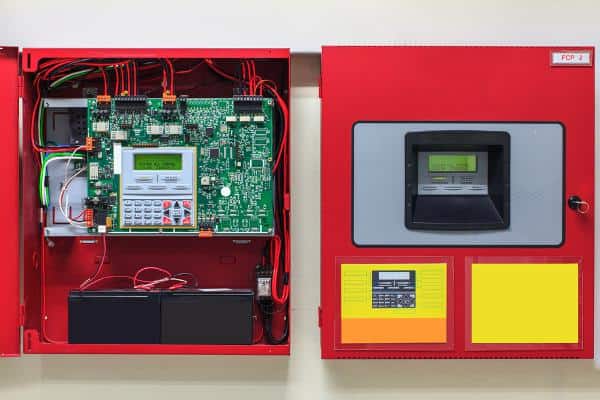
Fire alarm systems are crucial components of any building’s safety infrastructure. They help to detect fires early, alert occupants, and facilitate a prompt response to emergencies. At the heart of a fire alarm system lies the Fire Alarm System (FAS) panel, a centralized unit that monitors various detectors and initiates appropriate actions in case of a fire or smoke detection.
The FAS panel serves as the brain of the fire alarm system, receiving signals from smoke detectors, heat detectors, manual call points, and other devices installed throughout the building. When a detector detects smoke or heat indicative of a fire, it sends a signal to the FAS panel, which then activates alarms such as sirens, bells, or strobe lights to alert occupants.
Moreover, modern FAS panels are equipped with advanced features that enhance the efficiency and effectiveness of fire detection and response. These features may include:
- Zoning capabilities: The ability to divide the building into zones for targeted alarm activation and easier identification of the location of the fire.
- Integration with other building systems: Seamless integration with HVAC systems, access control systems, and elevators for coordinated emergency response.
- Remote monitoring: The option to monitor the status of the fire alarm system remotely through mobile devices or computers.
- Self-testing and diagnostics: Automatic self-testing functions that ensure all components are functioning correctly and provide alerts in case of malfunctions.
It is essential for building owners and facility managers to ensure that their FAS panels are regularly inspected, tested, and maintained by qualified professionals to guarantee optimal performance in case of an emergency. Regular maintenance helps identify issues early on and ensures that the system remains reliable when needed most.
In conclusion, FAS panels play a critical role in safeguarding lives and property by enabling swift detection and response to fires. Investing in a robust fire alarm system with an advanced FAS panel is not just a compliance requirement but a proactive measure towards ensuring safety and security within buildings.
Top 9 Advantages of Fire Alarm Systems: Ensuring Safety and Compliance
- Early detection of fires for prompt response
- Centralized monitoring and control of fire alarm system
- Integration with other building systems for coordinated emergency response
- Zoning capabilities for targeted alarm activation
- Remote monitoring options for added convenience
- Self-testing and diagnostics features for system health checks
- Quick identification of fire location within the building
- Enhanced safety measures for occupants and property
- Compliance with safety regulations and standards
Challenges of Fast Panels: Navigating Complexity, Cost, False Alarms, and Compatibility Issues
Early detection of fires for prompt response
Early detection of fires facilitated by Fire Alarm System (FAS) panels is a crucial advantage that enables prompt response to emergencies. By swiftly detecting smoke or heat indicative of a fire, FAS panels trigger alarms and alerts, allowing occupants to evacuate the building safely and emergency responders to take necessary actions promptly. This early warning system provided by FAS panels not only helps in minimizing property damage but, more importantly, plays a vital role in safeguarding lives by ensuring that appropriate measures are taken swiftly to mitigate the impact of fire incidents.
Centralized monitoring and control of fire alarm system
Centralized monitoring and control of a fire alarm system is a significant advantage offered by FAS panels. By having all the detectors, alarms, and devices connected to a central panel, building managers can easily monitor the entire system from one location. This centralized approach allows for quick identification of any issues or alarms, enabling prompt response to emergencies. Additionally, centralized control provides the flexibility to adjust settings, conduct system tests, and manage alerts efficiently. Overall, the ability to monitor and control the fire alarm system from a single point enhances operational efficiency and ensures effective emergency management in buildings.
Integration with other building systems for coordinated emergency response
The integration of Fire Alarm System (FAS) panels with other building systems allows for a seamlessly coordinated emergency response in the event of a fire. By connecting the FAS panel with HVAC systems, access control systems, and elevators, building occupants and emergency responders can work together efficiently to ensure swift evacuation and containment of the fire. This integration enables a synchronized approach to emergency situations, enhancing overall safety and security within the building premises.
Zoning capabilities for targeted alarm activation
The zoning capabilities of Fire Alarm System (FAS) panels offer a significant advantage by enabling targeted alarm activation in specific areas of a building. This feature allows for a more precise response to fire incidents, as alarms can be localized to the zone where the detection occurred. By activating alarms only in the affected zone, occupants are alerted promptly, facilitating efficient evacuation procedures while minimizing unnecessary disruptions in other areas of the building. Zoning capabilities enhance overall safety and security by ensuring that occupants are informed about potential dangers in their vicinity, contributing to a swift and organized response to emergencies.
Remote monitoring options for added convenience
Remote monitoring options for added convenience are a significant advantage of FAS panels. With remote monitoring capabilities, building owners and facility managers can keep track of the status of their fire alarm system from anywhere, using their mobile devices or computers. This feature provides peace of mind by allowing real-time access to crucial information about the system’s performance, ensuring prompt response to any alarms or issues even when not on-site. Remote monitoring enhances convenience, efficiency, and overall effectiveness in managing fire safety within buildings.
Self-testing and diagnostics features for system health checks
The self-testing and diagnostics features of Fire Alarm System (FAS) panels offer a significant advantage by enabling regular system health checks without manual intervention. These advanced capabilities allow the FAS panel to automatically test its components, including detectors, alarms, and communication devices, to ensure they are functioning correctly. By conducting self-tests and diagnostics, building owners and facility managers can proactively identify any issues or malfunctions within the fire alarm system and address them promptly. This proactive approach not only enhances the reliability of the system but also contributes to maintaining a high level of readiness for responding effectively to emergencies such as fires.
Quick identification of fire location within the building
The Fire Alarm System (FAS) panel offers the significant advantage of enabling quick identification of the fire location within the building. By dividing the premises into zones and receiving signals from detectors strategically placed throughout the area, the FAS panel can pinpoint the exact location where a fire has been detected. This feature is invaluable during emergencies as it allows for a swift and targeted response, ensuring that occupants and emergency responders can take appropriate actions efficiently to mitigate the impact of the fire.
Enhanced safety measures for occupants and property
The primary benefit of a Fire Alarm System (FAS) panel is its ability to provide enhanced safety measures for both occupants and property within a building. By promptly detecting fires or smoke, the FAS panel ensures that occupants are alerted in a timely manner, allowing them to evacuate safely and swiftly. This proactive approach not only reduces the risk of injuries or fatalities but also minimizes property damage by facilitating early intervention and containment of fires. The presence of a reliable FAS panel instills confidence among occupants, knowing that there are robust safety measures in place to protect their well-being and assets in the event of an emergency.
Compliance with safety regulations and standards
Ensuring compliance with safety regulations and standards is a significant advantage of utilizing a Fire Alarm System (FAS) panel. By adhering to established safety guidelines and protocols, buildings can enhance the overall safety of occupants and minimize potential risks associated with fire emergencies. FAS panels help in meeting regulatory requirements by providing a centralized monitoring system that ensures timely detection of fires and prompt activation of alarms, enabling swift evacuation procedures. Compliance with safety regulations not only protects lives and property but also instills confidence in occupants, stakeholders, and regulatory authorities regarding the building’s commitment to maintaining a safe environment.
Complexity
Complexity is a significant con associated with Fire Alarm System (FAS) panels. These systems can be intricate to operate and maintain, often demanding specialized knowledge and training. The complexity of FAS panels may pose challenges for building owners, facility managers, or maintenance personnel who may not have the necessary expertise to troubleshoot issues or perform routine maintenance tasks effectively. As a result, improper operation or inadequate maintenance of FAS panels due to their complexity could potentially compromise the overall effectiveness and reliability of the fire alarm system in responding to emergencies.
Cost
Cost can be a significant drawback when it comes to Fire Alarm System (FAS) panels. The installation and maintenance of FAS panels can incur substantial expenses, particularly for larger buildings or facilities with complex requirements. The initial investment in purchasing and installing the necessary equipment, along with the ongoing costs associated with regular inspections, testing, and upgrades, can strain the budget of building owners and facility managers. This financial burden may deter some organizations from implementing comprehensive fire alarm systems with advanced FAS panels, potentially compromising the safety and security of occupants in case of a fire emergency.
False Alarms
False Alarms: While Fire Alarm System (FAS) panels are designed to detect and respond to fire incidents promptly, they may occasionally trigger false alarms. These false alarms can be caused by environmental factors such as dust, humidity, or smoke from cooking, as well as technical issues like sensor malfunctions or wiring problems. False alarms not only disrupt normal operations but also lead to unnecessary evacuations, impacting the occupants’ trust in the system’s reliability. Addressing the root causes of false alarms through regular maintenance and sensitivity adjustments is crucial to minimize disruptions and ensure that genuine emergencies are responded to effectively.
Compatibility Issues
Compatibility Issues: Integrating FAS panels with existing building systems or upgrading them to meet changing regulations may pose compatibility challenges. In some cases, older building systems may not be easily compatible with newer FAS panels, leading to the need for costly retrofitting or system replacements. Additionally, as regulations and technology standards evolve, ensuring that FAS panels remain compliant and interoperable with other building systems can be a complex and ongoing process. These compatibility issues can result in delays in system upgrades, increased costs, and potential gaps in the overall safety and security of the building. Addressing compatibility challenges requires careful planning, expert consultation, and a thorough understanding of both the existing infrastructure and the requirements of modern fire alarm systems.