
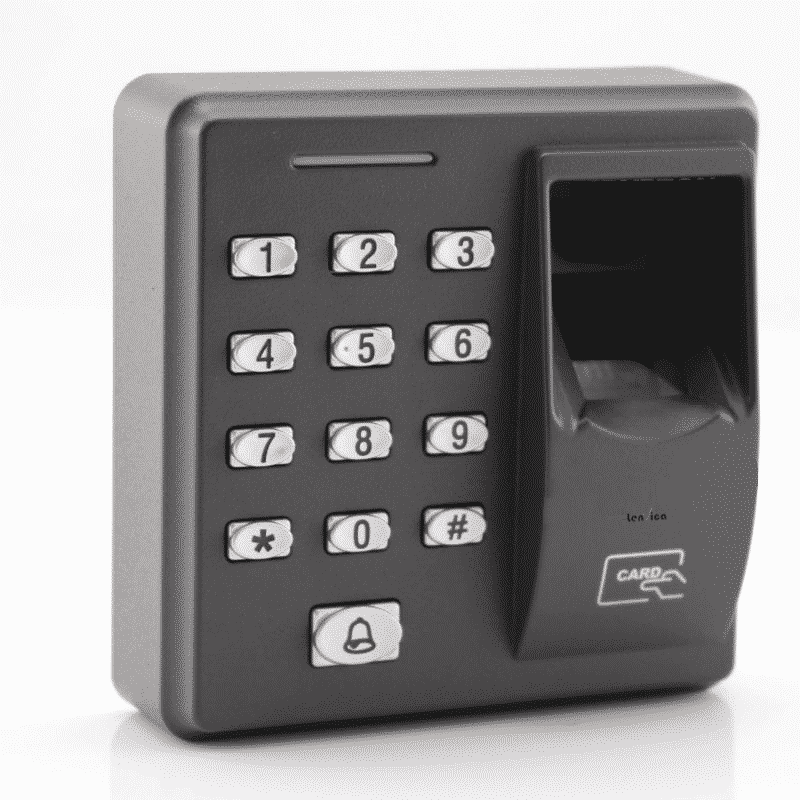
Fingerprint access control systems have revolutionized the way we secure our homes, offices, and other premises. By leveraging the unique biometric characteristics of an individual’s fingerprint, these systems provide a highly secure and convenient method of access control.
One of the key advantages of fingerprint access control is its unparalleled level of security. Unlike traditional methods such as keys or access cards, which can be lost, stolen, or duplicated, a person’s fingerprint is unique and cannot be easily replicated. This makes it extremely difficult for unauthorized individuals to gain access to restricted areas.
Moreover, fingerprint access control systems offer a high degree of convenience. Users no longer need to carry around keys or remember complex passwords – all they need is their fingertip. This not only simplifies the process of gaining entry but also eliminates the risk of forgetting or misplacing access credentials.
Another benefit of fingerprint access control is its versatility. These systems can be easily integrated with other security measures such as surveillance cameras, alarms, and intercoms to create a comprehensive security solution tailored to the specific needs of each premises.
Furthermore, fingerprint access control systems are highly scalable and can accommodate a large number of users. Whether it’s a small office or a large corporate building, these systems can be configured to manage access for hundreds or even thousands of individuals with ease.
In conclusion, fingerprint access control systems offer a winning combination of security, convenience, versatility, and scalability. By implementing these cutting-edge solutions, businesses and homeowners can enjoy peace of mind knowing that their premises are effectively protected against unauthorized entry.
Essential Tips for Optimizing Fingerprint Access Control Systems
- Ensure fingers are clean and dry before scanning.
- Enroll multiple fingers for better accuracy and convenience.
- Regularly update and maintain the fingerprint database.
- Protect the fingerprint scanner from physical damage or tampering.
- Have a backup authentication method in case of fingerprint recognition failure.
Ensure fingers are clean and dry before scanning.
For optimal performance of a fingerprint access control system, it is essential to ensure that fingers are clean and dry before scanning. Dirt, moisture, or any other foreign substances on the fingertips can interfere with the accuracy of the scan and may result in access denial. By maintaining clean and dry fingers, users can ensure smooth and efficient authentication processes, enhancing the overall effectiveness of the security system.
Enroll multiple fingers for better accuracy and convenience.
Enrolling multiple fingers in a fingerprint access control system can significantly enhance both accuracy and convenience. By registering more than one finger, users ensure that they have backup options in case a particular finger is injured or dirty, improving the system’s reliability. Additionally, enrolling multiple fingers allows for greater flexibility and ease of use, as individuals can choose which finger to use for authentication based on comfort and convenience. This simple tip not only enhances the overall user experience but also boosts the effectiveness of the access control system.
Regularly update and maintain the fingerprint database.
Regularly updating and maintaining the fingerprint database is crucial for ensuring the effectiveness of a fingerprint access control system. By regularly adding new authorized fingerprints and removing outdated or unauthorized ones, the system can accurately identify and authenticate users, enhancing security levels. Additionally, routine maintenance helps prevent errors or malfunctions that may arise from outdated or corrupted data, ensuring smooth operation and reliable access control at all times.
Protect the fingerprint scanner from physical damage or tampering.
It is crucial to safeguard the fingerprint scanner from physical damage or tampering to ensure the integrity and reliability of the access control system. By protecting the scanner from external threats, such as impact or manipulation, we can maintain its functionality and accuracy in verifying users’ fingerprints. Regular maintenance and monitoring of the scanner’s condition can help identify any signs of wear or potential vulnerabilities, allowing for timely repairs or replacements to uphold the security of the system.
Have a backup authentication method in case of fingerprint recognition failure.
It is essential to have a backup authentication method in place in case of fingerprint recognition failure when using fingerprint access control systems. While fingerprint technology is highly reliable, there may be instances where the system fails to recognize a user’s fingerprint due to factors such as dirt, moisture, or temporary changes in the skin. By having an alternative authentication method such as a PIN code or access card, users can still gain entry even if their fingerprint is not recognized, ensuring seamless access and enhancing overall security.