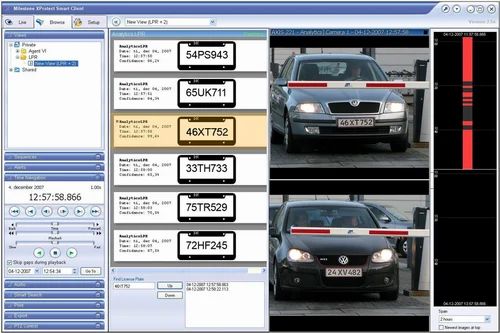
License plate detection, also known as Automatic Number Plate Recognition (ANPR), is a technology that uses optical character recognition to read and interpret vehicle registration plates. This advanced system has gained popularity in various applications, including law enforcement, parking management, toll collection, and traffic monitoring.
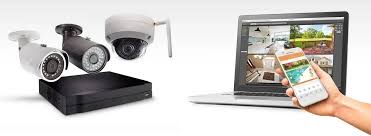
The process of license plate detection involves capturing an image of a vehicle’s license plate using a camera or a specialized ANPR camera. The captured image is then processed by software that analyzes the image to identify and extract the alphanumeric characters on the plate.
License plate detection systems utilize algorithms and machine learning techniques to enhance accuracy and efficiency in reading license plates. These systems can automatically compare the extracted plate information with a database of registered vehicles to perform tasks such as identifying stolen vehicles, managing parking access, or enforcing traffic regulations.
One of the key benefits of license plate detection technology is its ability to automate manual processes and improve overall security and safety measures. Law enforcement agencies can use ANPR systems to quickly identify vehicles involved in criminal activities or track down suspects. Parking facilities can streamline entry and exit processes by automatically recognizing registered vehicles. Toll collection booths can efficiently manage payments by automatically recording vehicle registration details.
Despite its many advantages, license plate detection technology also raises concerns about privacy and data security. As these systems collect and store sensitive information about vehicle owners, there is a need for robust data protection measures to prevent misuse or unauthorized access to this data.
In conclusion, license plate detection technology plays a crucial role in modern transportation and security systems. By leveraging the power of machine learning and automation, ANPR systems offer efficient solutions for various industries while also raising important considerations regarding privacy and data security.
9 Essential Tips for Effective License Plate Detection and Recognition
- Ensure proper lighting conditions for clear visibility of license plates.
- Use high-resolution cameras to capture detailed images of license plates.
- Implement image processing techniques to enhance the quality of captured images.
- Apply optical character recognition (OCR) technology to extract text from license plate images.
- Utilize machine learning algorithms for accurate detection and recognition of license plates.
- Regularly calibrate cameras to maintain optimal performance in license plate detection.
- Consider environmental factors such as weather conditions that may affect license plate visibility.
- Integrate with databases or systems to store and retrieve information linked to recognized license plates.
- Adhere to privacy regulations and guidelines when collecting and storing data from license plate detection.
Ensure proper lighting conditions for clear visibility of license plates.
One essential tip for effective license plate detection is to ensure proper lighting conditions for clear visibility of license plates. Adequate lighting plays a crucial role in enabling cameras to capture sharp and accurate images of license plates, which is essential for the successful operation of Automatic Number Plate Recognition (ANPR) systems. By ensuring that the area where license plate detection is taking place is well-lit, potential issues such as glare, shadows, or poor image quality can be minimized, leading to improved accuracy and efficiency in reading and interpreting license plates.
Use high-resolution cameras to capture detailed images of license plates.
When implementing license plate detection systems, it is essential to use high-resolution cameras to capture detailed images of license plates. High-resolution cameras ensure that the captured images contain clear and sharp details of the alphanumeric characters on the plates, improving the accuracy and reliability of the detection process. By using high-quality cameras, organizations can enhance the performance of their ANPR systems and achieve better results in tasks such as vehicle identification, parking management, and law enforcement operations.
Implement image processing techniques to enhance the quality of captured images.
To improve the accuracy and efficiency of license plate detection systems, it is advisable to implement image processing techniques to enhance the quality of captured images. By applying image enhancement algorithms such as noise reduction, contrast adjustment, and edge detection, the clarity and readability of license plate images can be significantly improved. This optimization not only helps in extracting accurate alphanumeric characters from the plates but also enhances the overall performance of the ANPR system in various applications such as law enforcement, parking management, and toll collection.
Apply optical character recognition (OCR) technology to extract text from license plate images.
To enhance the accuracy and efficiency of license plate detection, it is recommended to apply optical character recognition (OCR) technology to extract text from license plate images. By utilizing OCR algorithms, the system can accurately identify and interpret the alphanumeric characters on the license plate, enabling seamless integration with databases for further processing. This advanced technology plays a crucial role in improving the overall performance of license plate detection systems by automating the extraction process and ensuring reliable results in various applications such as law enforcement, parking management, and toll collection.
Utilize machine learning algorithms for accurate detection and recognition of license plates.
To enhance the precision and reliability of license plate detection and recognition, it is advisable to leverage machine learning algorithms. By incorporating machine learning techniques into the detection process, the system can continuously learn and improve its ability to accurately identify and interpret license plates. These algorithms analyze patterns and features within the captured images, allowing for more efficient and precise recognition of alphanumeric characters on license plates. Utilizing machine learning algorithms not only enhances the overall performance of the system but also ensures consistent and reliable results in various applications requiring license plate detection.
Regularly calibrate cameras to maintain optimal performance in license plate detection.
Regularly calibrating cameras is essential to ensure optimal performance in license plate detection systems. By calibrating the cameras at scheduled intervals, operators can maintain the accuracy and efficiency of the system in capturing clear and readable images of license plates. Proper calibration helps to adjust camera settings such as focus, exposure, and angle to enhance the quality of captured images, ultimately improving the overall effectiveness of license plate detection technology.
Consider environmental factors such as weather conditions that may affect license plate visibility.
When implementing license plate detection systems, it is crucial to consider environmental factors such as weather conditions that may impact license plate visibility. Adverse weather conditions like heavy rain, fog, or snow can obscure license plates, making it challenging for the system to accurately capture and read the information. To ensure optimal performance and reliability of the license plate detection technology, it is essential to account for these environmental variables and implement appropriate measures such as adjusting camera angles, using specialized cameras with enhanced visibility features, or integrating supplementary lighting solutions to mitigate the effects of poor weather conditions.
Integrate with databases or systems to store and retrieve information linked to recognized license plates.
By integrating license plate detection systems with databases or other systems, organizations can efficiently store and retrieve information associated with recognized license plates. This integration allows for seamless access to relevant data such as vehicle owner details, registration information, and any alerts or notifications linked to specific license plates. By leveraging this capability, businesses and authorities can enhance their operational efficiency, improve security measures, and enable quick decision-making based on real-time information obtained through the recognition of license plates.
Adhere to privacy regulations and guidelines when collecting and storing data from license plate detection.
It is essential to adhere to privacy regulations and guidelines when collecting and storing data obtained from license plate detection systems. By ensuring compliance with data protection laws, such as obtaining consent for data collection, implementing secure storage practices, and restricting access to sensitive information, organizations can safeguard the privacy rights of individuals whose license plate data is being captured. Prioritizing privacy measures not only builds trust with customers and stakeholders but also mitigates the risks associated with potential data breaches or misuse of personal information.