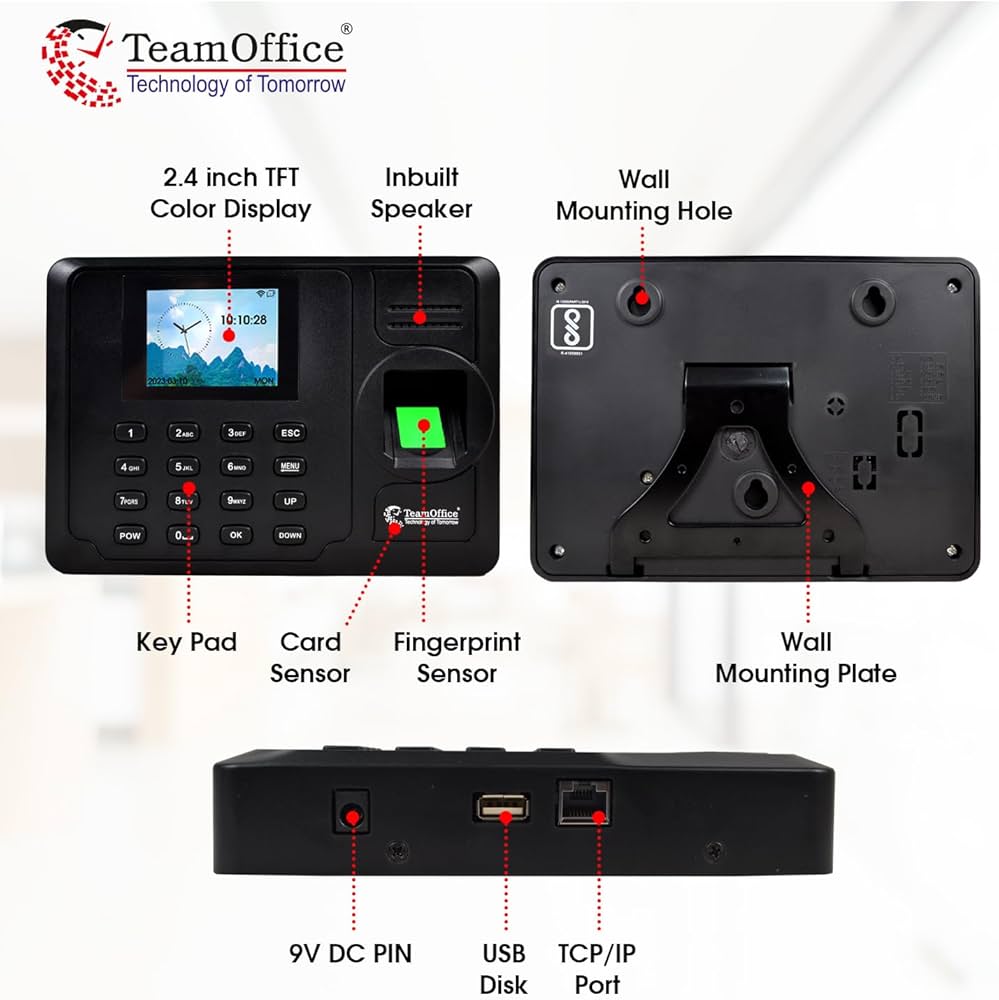
In today’s fast-paced business environment, managing employee attendance efficiently is crucial for ensuring productivity and accountability. One of the most effective tools for streamlining attendance tracking is a staff attendance machine.
A staff attendance machine, also known as a biometric time and attendance system, utilizes advanced biometric technology to accurately record and monitor employee clock-ins and clock-outs. By using unique identifiers such as fingerprints, facial recognition, or iris scans, these machines eliminate the possibility of buddy punching or time theft, ensuring that only authorized personnel can access the system.
Implementing a staff attendance machine offers numerous benefits for both employees and employers. For employees, it provides a convenient and secure way to log their working hours without the need for manual entry or paper timesheets. This not only saves time but also reduces errors and disputes related to attendance records.
Employers benefit from increased efficiency in tracking employee attendance, enabling them to generate accurate payroll reports and analyze workforce performance more effectively. By automating the attendance tracking process, businesses can minimize administrative tasks associated with managing employee schedules and focus on more strategic initiatives.
Furthermore, staff attendance machines help enhance security measures within the workplace by restricting access to designated areas based on individual permissions. This feature not only ensures workplace safety but also safeguards sensitive information and assets from unauthorized personnel.
In conclusion, investing in a staff attendance machine is a wise decision for organizations looking to improve operational efficiency, enhance security protocols, and promote transparency in workforce management. By leveraging biometric technology for accurate time tracking, businesses can streamline their HR processes and create a more productive work environment for all stakeholders involved.
Enhancing Workplace Efficiency: The Top 5 Benefits of Staff Attendance Machines
- Eliminates buddy punching and time theft
- Provides accurate and reliable attendance records
- Saves time by automating the attendance tracking process
- Enhances security by restricting access based on permissions
- Improves operational efficiency and workforce management
Challenges of Implementing Staff Attendance Machines: Costs, Technical Issues, Privacy Concerns, and Maintenance Needs
- Initial setup costs can be high, especially for small businesses with limited budgets.
- Technical issues such as system downtime or software glitches may disrupt attendance tracking and cause delays.
- Employees may have concerns about privacy and data security when using biometric identifiers like fingerprints or facial recognition for clocking in/out.
- Maintenance and calibration of the staff attendance machine require additional time and resources to ensure accurate performance over time.
Eliminates buddy punching and time theft
One of the key advantages of a staff attendance machine is its ability to eliminate buddy punching and time theft within the workplace. By utilizing advanced biometric technology such as fingerprint recognition or facial scanning, these machines ensure that only the authorized employee can clock in or out, preventing any fraudulent practices. This not only promotes a culture of honesty and accountability among employees but also helps businesses accurately track working hours and reduce payroll discrepancies. By eradicating buddy punching and time theft, staff attendance machines contribute to a more transparent and fair work environment, ultimately boosting overall productivity and efficiency.
Provides accurate and reliable attendance records
One of the key advantages of a staff attendance machine is its ability to provide accurate and reliable attendance records. By utilizing advanced biometric technology, these machines ensure that each clock-in and clock-out is associated with a unique identifier, such as fingerprints or facial recognition, eliminating the possibility of errors or fraudulent time entries. This level of precision not only enhances accountability among employees but also enables employers to generate precise payroll reports and monitor workforce attendance with confidence. With accurate attendance records at their disposal, businesses can make informed decisions regarding resource allocation, performance evaluation, and overall operational efficiency.
Saves time by automating the attendance tracking process
By automating the attendance tracking process, staff attendance machines significantly save time for both employees and employers. Gone are the days of manual entry or paper timesheets, as these machines streamline the recording of clock-ins and clock-outs using advanced biometric technology. This automation not only eliminates the need for tedious administrative tasks but also ensures accurate and reliable attendance data without the risk of human error. As a result, businesses can allocate their time more efficiently, focusing on core operations and strategic initiatives rather than getting bogged down in time-consuming attendance management tasks.
Enhances security by restricting access based on permissions
The staff attendance machine enhances security within the workplace by effectively restricting access to designated areas based on individual permissions. This feature ensures that only authorized personnel can enter specific locations, thereby minimizing the risk of unauthorized entry and enhancing overall workplace safety. By implementing access control measures through the staff attendance machine, organizations can effectively protect sensitive information, assets, and resources from potential security breaches and unauthorized access attempts.
Improves operational efficiency and workforce management
Implementing a staff attendance machine significantly enhances operational efficiency and streamlines workforce management processes. By automating the attendance tracking system through advanced biometric technology, businesses can eliminate manual errors, reduce administrative tasks, and ensure accurate recording of employee work hours. This proactive approach not only saves time but also enables employers to optimize resource allocation, identify productivity trends, and make informed decisions to enhance overall operational effectiveness. With improved workforce management facilitated by a staff attendance machine, organizations can boost productivity levels, minimize disruptions, and create a more structured and efficient work environment for their employees.
Initial setup costs can be high, especially for small businesses with limited budgets.
One significant drawback of staff attendance machines is the high initial setup costs, which can pose a challenge for small businesses operating on limited budgets. The investment required to purchase and install the necessary hardware and software components of a staff attendance machine can be substantial, making it financially burdensome for smaller organizations to adopt this technology. As a result, these businesses may struggle to justify the expense of implementing a staff attendance machine, despite recognizing its potential benefits in improving attendance tracking and workforce management. The upfront cost barrier presents a conundrum for small enterprises seeking to enhance their operational efficiency without compromising their financial stability.
Technical issues such as system downtime or software glitches may disrupt attendance tracking and cause delays.
Technical issues such as system downtime or software glitches can pose a significant challenge when it comes to staff attendance machines. These disruptions have the potential to hinder the accurate tracking of employee attendance, leading to delays in recording clock-ins and clock-outs. In cases where the system is inaccessible or malfunctions, employees may face difficulties in logging their working hours, resulting in discrepancies in attendance records. Moreover, prolonged system downtime can impact productivity and create frustration among both employees and management. It is essential for organizations to have contingency plans in place to address technical issues promptly and minimize the impact on attendance tracking processes.
Employees may have concerns about privacy and data security when using biometric identifiers like fingerprints or facial recognition for clocking in/out.
One significant con of implementing a staff attendance machine that utilizes biometric identifiers such as fingerprints or facial recognition is the potential privacy and data security concerns raised by employees. The use of biometric data for clocking in and out may lead to apprehensions about the protection of personal information and the possibility of unauthorized access to sensitive data. Employees may feel uneasy about providing their biometric details, fearing that this information could be misused or compromised, leading to identity theft or privacy breaches. Addressing these concerns through transparent communication, stringent data protection measures, and clear policies on biometric data usage is essential to ensure employee trust and compliance with the attendance system.
Maintenance and calibration of the staff attendance machine require additional time and resources to ensure accurate performance over time.
One significant drawback of staff attendance machines is the maintenance and calibration requirements that demand additional time and resources to uphold accurate performance over time. Regular maintenance tasks such as cleaning, software updates, and system checks are essential to prevent malfunctions and ensure reliable data recording. Moreover, periodic calibration of biometric sensors or recognition algorithms is necessary to maintain precision in identifying employees’ unique identifiers. This ongoing need for upkeep can pose a challenge for businesses, as it adds to the workload of IT personnel and requires budget allocation for maintenance costs. Failure to address these maintenance needs promptly may result in inaccuracies in attendance tracking, leading to potential disputes or discrepancies in payroll calculations.