
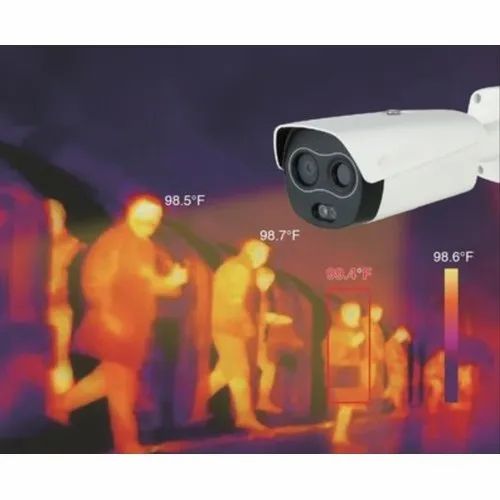
Thermal CCTV cameras are revolutionizing the way we perceive surveillance and security. Unlike traditional CCTV cameras that rely on visible light to capture images, thermal cameras operate by detecting heat signatures emitted by objects and individuals. This advanced technology offers a myriad of benefits and applications in various industries, from security and law enforcement to industrial monitoring and wildlife conservation.
One of the key advantages of thermal CCTV cameras is their ability to provide clear images in complete darkness or challenging lighting conditions. By detecting heat instead of light, these cameras can capture high-quality footage even in environments with poor visibility, such as fog, smoke, or total darkness. This makes them ideal for outdoor surveillance applications where traditional cameras may struggle to perform effectively.
Furthermore, thermal CCTV cameras offer excellent detection capabilities, as they can detect heat signatures from a distance without being affected by factors like glare or shadows. This makes them highly effective for perimeter security, intrusion detection, and monitoring large areas where human or vehicle movement needs to be closely monitored.
In addition to security applications, thermal CCTV cameras are also widely used in industrial settings for equipment monitoring, fire detection, and preventive maintenance. By detecting abnormal heat patterns early on, these cameras help identify potential issues before they escalate into costly failures or accidents.
Moreover, thermal CCTV cameras play a crucial role in wildlife conservation efforts by enabling researchers and conservationists to monitor animals without disturbing their natural behavior. These cameras can detect animals based on their body heat, making them invaluable tools for studying nocturnal species or tracking elusive wildlife in dense forests or remote areas.
In conclusion, thermal CCTV cameras offer a versatile and reliable solution for enhancing security, surveillance, and monitoring across various sectors. With their ability to operate effectively in challenging conditions and provide valuable insights through heat detection technology, these cameras are shaping the future of visual surveillance.
8 Essential Tips for Optimizing Thermal CCTV Camera Performance
- Ensure proper installation to avoid obstructions in the camera’s field of view.
- Regularly clean the camera lens to maintain optimal image quality.
- Adjust the camera settings based on ambient temperature changes for accurate readings.
- Position the camera strategically to cover key areas and maximize surveillance effectiveness.
- Use thermal CCTV cameras in conjunction with regular CCTV cameras for comprehensive security coverage.
- Consider factors like weather conditions and distance when choosing a thermal CCTV camera with suitable specifications.
- Regularly inspect and test the camera’s functionality to ensure it is operating correctly.
- Consult with professionals for guidance on selecting, installing, and maintaining thermal CCTV cameras.
Ensure proper installation to avoid obstructions in the camera’s field of view.
For optimal performance of a thermal CCTV camera, it is crucial to ensure proper installation to avoid obstructions in the camera’s field of view. Placing the camera in a strategic location free from any physical barriers or obstacles will ensure that it can effectively detect heat signatures and capture clear images without interference. By carefully considering the placement and angle of the camera during installation, you can maximize its surveillance capabilities and enhance the overall security and monitoring effectiveness of your system.
Regularly clean the camera lens to maintain optimal image quality.
Regularly cleaning the lens of a thermal CCTV camera is essential to maintain optimal image quality. Dust, dirt, and debris can accumulate on the lens over time, affecting the camera’s ability to capture clear and accurate thermal images. By keeping the lens clean and free from obstructions, users can ensure that the camera operates at its best performance level, providing reliable surveillance and monitoring capabilities in various environments.
Adjust the camera settings based on ambient temperature changes for accurate readings.
It is essential to adjust the camera settings of a thermal CCTV camera based on ambient temperature changes to ensure accurate readings and optimal performance. Fluctuations in temperature can impact the camera’s ability to detect heat signatures effectively, leading to potential inaccuracies in surveillance data. By regularly calibrating the camera settings according to ambient temperature variations, users can maintain the camera’s accuracy and reliability, ensuring that it continues to deliver precise thermal imaging results in diverse environmental conditions.
Position the camera strategically to cover key areas and maximize surveillance effectiveness.
To maximize the effectiveness of a thermal CCTV camera, it is crucial to position the camera strategically to cover key areas. By carefully planning the placement of the camera, ensuring that critical zones are within its field of view, one can enhance surveillance capabilities and improve overall security measures. Strategic positioning allows the camera to monitor high-traffic areas, entry points, and other vulnerable spots effectively, enabling prompt detection and response to any suspicious activity. This proactive approach not only deters potential threats but also ensures comprehensive coverage for enhanced surveillance performance.
Use thermal CCTV cameras in conjunction with regular CCTV cameras for comprehensive security coverage.
For comprehensive security coverage, consider using thermal CCTV cameras in conjunction with regular CCTV cameras. While traditional cameras capture visual images, thermal cameras detect heat signatures, providing an additional layer of surveillance. By combining these technologies, you can enhance your security system’s effectiveness by detecting potential threats that may be missed by standard cameras alone. Thermal cameras excel in low-light conditions and offer superior detection capabilities, making them a valuable addition to any security setup. Integrating thermal CCTV cameras with regular cameras ensures a more robust and comprehensive approach to monitoring and safeguarding your premises.
Consider factors like weather conditions and distance when choosing a thermal CCTV camera with suitable specifications.
When selecting a thermal CCTV camera, it is essential to take into account factors such as weather conditions and distance to ensure that the camera’s specifications meet the specific requirements of the intended environment. Weather conditions, including temperature fluctuations, humidity levels, and potential obstructions like fog or rain, can impact the performance of a thermal camera. Similarly, considering the distance at which the camera needs to detect heat signatures is crucial for determining the appropriate lens size and detection range. By carefully evaluating these factors during the selection process, you can choose a thermal CCTV camera with specifications that align with your surveillance needs and environmental conditions.
Regularly inspect and test the camera’s functionality to ensure it is operating correctly.
Regularly inspecting and testing the functionality of your thermal CCTV camera is essential to ensure it is operating correctly and effectively. By conducting routine checks, you can identify any potential issues or malfunctions early on, allowing you to address them promptly and prevent any disruptions in surveillance or security monitoring. Testing the camera’s performance under different conditions and scenarios will help maintain its reliability and accuracy, ensuring that it continues to provide clear and reliable thermal imaging for optimal security and surveillance outcomes.
Consult with professionals for guidance on selecting, installing, and maintaining thermal CCTV cameras.
It is highly recommended to consult with professionals for expert guidance when it comes to selecting, installing, and maintaining thermal CCTV cameras. Professionals in the field possess the knowledge and experience required to assess your specific needs, recommend the most suitable camera models, ensure proper installation for optimal performance, and provide guidance on effective maintenance practices. By seeking advice from professionals, you can ensure that your thermal CCTV camera system is tailored to meet your requirements and operates efficiently to enhance security and surveillance capabilities.