The use of CCTV cameras has become increasingly prevalent in today’s society, serving as a crucial tool for enhancing security and surveillance in various settings. CCTV, which stands for Closed Circuit Television, refers to a system of video cameras that transmit signals to a specific set of monitors for monitoring and recording purposes.
One of the primary advantages of CCTV cameras is their ability to deter crime. The presence of visible cameras can act as a powerful deterrent against potential criminals, as they are less likely to engage in unlawful activities when under surveillance. In this way, CCTV cameras help create a safer environment for both property and individuals.
Moreover, CCTV cameras play a vital role in investigating incidents and identifying suspects. By capturing real-time footage of events, these cameras provide valuable evidence that can be used by law enforcement agencies to solve crimes and bring perpetrators to justice. The recorded footage can also serve as crucial documentation in legal proceedings.
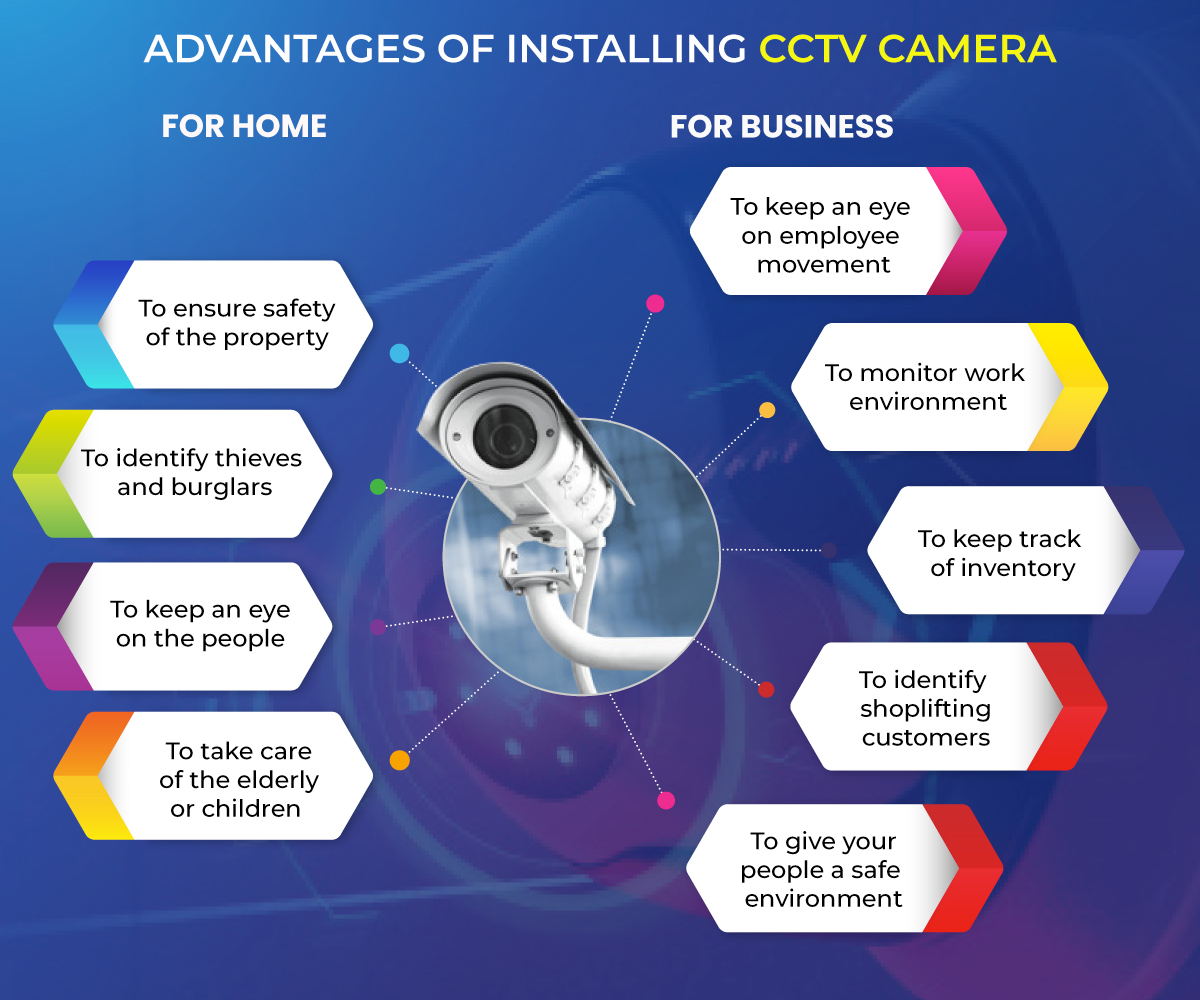
Businesses and organizations often rely on CCTV cameras for monitoring operations and ensuring the safety of employees and visitors. These cameras can help prevent theft, vandalism, and other unauthorized activities within the premises. Additionally, they enable managers to keep an eye on productivity levels and adherence to safety protocols.
In residential settings, CCTV cameras offer homeowners peace of mind by allowing them to monitor their property remotely. Whether it’s keeping an eye on children playing outside or checking for suspicious activity while away on vacation, CCTV systems provide an added layer of security for families.
Overall, the use of CCTV cameras has proven to be an effective tool for enhancing security, deterring criminal activities, and providing valuable evidence in investigations. As technology continues to advance, these surveillance systems are becoming more sophisticated and user-friendly, making them an invaluable asset in today’s modern world.
8 Essential Tips for Optimizing Your CCTV Camera System
- Ensure proper placement of CCTV cameras for maximum coverage.
- Regularly clean the camera lenses to maintain clear image quality.
- Secure the DVR/NVR recording unit in a locked and safe location.
- Use high-resolution cameras for better image clarity and detail.
- Set up motion detection alerts to be notified of any suspicious activity.
- Regularly check and test your CCTV system to ensure it is functioning properly.
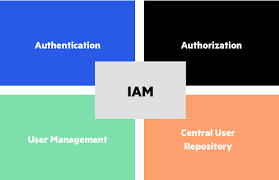
- Change default passwords on your CCTV system to enhance security.
- Inform individuals within the premises about the presence of CCTV cameras for transparency.
Ensure proper placement of CCTV cameras for maximum coverage.
Ensuring the proper placement of CCTV cameras is essential for achieving maximum coverage and effectiveness of surveillance systems. By strategically positioning cameras in key areas, such as entry points, high-traffic zones, and vulnerable spots, you can enhance the overall security of your premises. It is important to consider factors like lighting conditions, potential obstructions, and the range of the camera’s field of view when determining the placement. By carefully planning and installing CCTV cameras in optimal locations, you can maximize their surveillance capabilities and improve the overall security posture of your property.
Regularly clean the camera lenses to maintain clear image quality.
One important tip for the effective use of CCTV cameras is to regularly clean the camera lenses to maintain clear image quality. Dust, dirt, and smudges can accumulate on the lenses over time, leading to blurry or distorted images. By keeping the lenses clean and free of obstructions, you can ensure that the camera captures crisp and clear footage, allowing for better surveillance and monitoring of the area. Regular maintenance of the camera lenses not only improves image quality but also prolongs the lifespan of the CCTV system, ensuring optimal performance in security applications.
Secure the DVR/NVR recording unit in a locked and safe location.
It is essential to secure the DVR/NVR recording unit in a locked and safe location when using CCTV cameras. By ensuring that the recording unit is inaccessible to unauthorized individuals, you can protect the recorded footage from tampering or theft. Placing the DVR/NVR in a secure location not only safeguards the integrity of the video recordings but also ensures that critical evidence remains intact for investigative purposes. This simple yet crucial step enhances the overall security of your surveillance system and helps maintain the reliability and effectiveness of your CCTV setup.
Use high-resolution cameras for better image clarity and detail.
When setting up a CCTV camera system, it is essential to prioritize the use of high-resolution cameras to ensure better image clarity and detail. High-resolution cameras capture sharper and more detailed footage, allowing for easier identification of individuals and objects in the video feed. This improved image quality not only enhances overall surveillance effectiveness but also provides valuable evidence in case of incidents or investigations. By investing in high-resolution cameras, users can significantly improve the performance and reliability of their CCTV system.
Set up motion detection alerts to be notified of any suspicious activity.
One important tip for maximizing the use of CCTV cameras is to set up motion detection alerts, allowing users to be promptly notified of any suspicious activity. By configuring the cameras to detect motion and send alerts when triggered, individuals can stay informed in real-time and take immediate action if needed. This feature not only enhances security by alerting users to potential threats but also provides peace of mind knowing that any unusual movements or activities are being monitored closely.
Regularly check and test your CCTV system to ensure it is functioning properly.
Regularly checking and testing your CCTV system is essential to ensure that it is functioning properly and providing the intended level of security. By conducting routine checks, you can identify any potential issues or malfunctions early on, allowing you to address them promptly and prevent any gaps in surveillance coverage. Testing the system also helps verify that all cameras, recording devices, and monitoring equipment are operating correctly, thus ensuring optimal performance when it matters most. Overall, proactive maintenance and testing of your CCTV system are key practices in maintaining a reliable and effective security infrastructure.
Change default passwords on your CCTV system to enhance security.
Changing default passwords on your CCTV system is a crucial step in enhancing security and protecting your surveillance infrastructure. Default passwords are often easy to guess or widely known, making your system vulnerable to unauthorized access by hackers or malicious individuals. By setting strong, unique passwords for your CCTV cameras and associated devices, you can significantly reduce the risk of security breaches and ensure that only authorized users have access to the system. Regularly updating and changing passwords adds an extra layer of protection, helping safeguard sensitive footage and data captured by your CCTV cameras.
Inform individuals within the premises about the presence of CCTV cameras for transparency.
It is essential to inform individuals within the premises about the presence of CCTV cameras to promote transparency and ensure that everyone is aware of being monitored. By openly communicating the use of CCTV cameras, you not only adhere to privacy regulations but also establish trust and accountability among occupants. This transparency fosters a sense of security and encourages responsible behavior, knowing that surveillance is in place for the safety and protection of all individuals within the monitored area.