
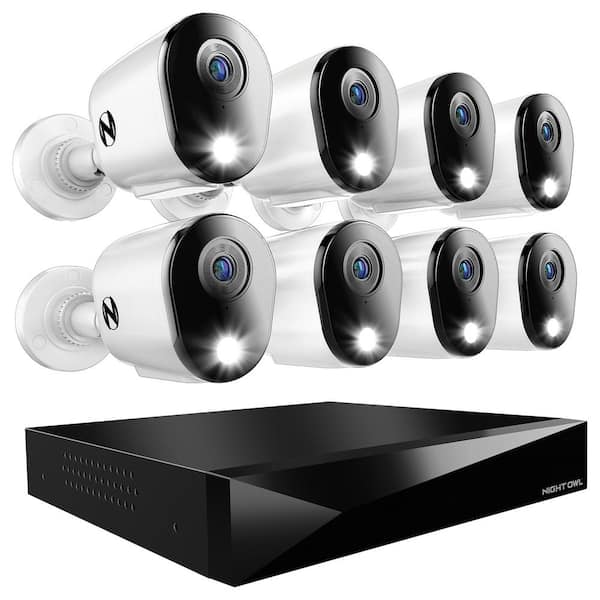
Understanding Wireless CCTV Camera Prices in India
In recent years, the demand for wireless CCTV cameras has surged across India. These cameras offer a host of benefits, including ease of installation and flexibility in placement. However, one of the most common questions potential buyers have is about the pricing of these devices. This article aims to provide an overview of the factors that influence the cost of wireless CCTV cameras and what you can expect to pay for different models.
Factors Affecting Wireless CCTV Camera Prices
Brand and Quality
The brand and quality of a wireless CCTV camera significantly impact its price. Renowned brands often charge a premium due to their reputation for reliability and quality. These cameras are typically equipped with advanced features and come with robust customer support.
Features and Specifications
The more features a camera has, the higher its price is likely to be. Key features to consider include resolution (HD, Full HD, 4K), night vision capabilities, motion detection, two-way audio, and cloud storage options.
Connectivity Options
Cameras that offer dual-band Wi-Fi connectivity or additional connectivity options like Bluetooth or Ethernet ports may cost more than those with basic single-band Wi-Fi support.
Power Source
Battery-powered wireless cameras might be priced differently compared to those requiring a constant power supply through an adapter. Battery-powered options offer greater flexibility but may require periodic recharging or battery replacement.
Price Range Overview
The price range for wireless CCTV cameras in India can vary widely based on the factors mentioned above:
- Basic Models: Basic wireless cameras with standard features such as HD resolution and basic motion detection can start from as low as ₹1,500 to ₹3,000.
- Mid-Range Models: Cameras offering Full HD resolution, enhanced night vision, two-way audio, and better build quality typically range between ₹4,000 to ₹10,000.
- High-End Models: Premium models with 4K resolution, advanced AI capabilities for motion detection and facial recognition, extensive cloud storage options, and weatherproof designs can exceed ₹10,000 and go up to ₹25,000 or more.
Conclusion
The choice of a wireless CCTV camera should be guided by your specific needs and budget constraints. While it might be tempting to opt for cheaper models initially, investing in a reliable device from a reputable brand could save you money in the long run by avoiding frequent replacements or repairs.
If security is a top priority for your home or business premises in India, consider evaluating different models based on their features rather than just their price tags. This approach will ensure that you get the best value for your investment while maintaining peace of mind knowing your property is under surveillance.
7 Advantages of Wireless CCTV Cameras: Cost-Effective, Flexible, and Easy to Install
- Wireless CCTV cameras offer easy installation without the need for complex wiring, saving time and effort.
- They provide flexibility in camera placement, allowing users to position them in optimal locations for better surveillance coverage.
- Wireless cameras are often more discreet and aesthetically pleasing compared to wired counterparts, blending seamlessly into the surroundings.
- These cameras can be easily moved or repositioned as needed, making them ideal for temporary surveillance or changing security needs.
- Many wireless CCTV cameras come with remote viewing capabilities, enabling users to monitor their property from anywhere using a smartphone or computer.
- Advanced wireless models offer features like motion detection alerts and two-way audio communication for enhanced security and convenience.
- While initial costs may vary, wireless CCTV cameras can be cost-effective in the long run by reducing installation expenses and maintenance efforts.
Considerations on the Cost of Wireless CCTV Cameras: Initial Investment, Maintenance, Range Limitations, and Security Risks
- Higher initial investment compared to traditional wired CCTV systems
- Potential for ongoing costs related to battery replacement or recharging for battery-powered cameras
- Limited range and signal interference issues in areas with high wireless activity or obstructions
- Vulnerability to hacking and cybersecurity threats due to wireless connectivity
Wireless CCTV cameras offer easy installation without the need for complex wiring, saving time and effort.
Wireless CCTV cameras provide a significant advantage with their easy installation process, eliminating the need for intricate wiring systems. This feature not only saves valuable time but also reduces the effort required to set up the surveillance system. Users can conveniently place these cameras at desired locations without worrying about cable management, making them an ideal choice for quick and hassle-free deployment. The simplicity of installation offered by wireless CCTV cameras enhances convenience and flexibility, catering to both residential and commercial settings in India.
They provide flexibility in camera placement, allowing users to position them in optimal locations for better surveillance coverage.
One significant advantage of wireless CCTV cameras is their ability to offer flexibility in camera placement. This feature allows users to strategically position the cameras in optimal locations to achieve better surveillance coverage. By being able to place the cameras where they are most needed without being limited by wiring constraints, users can ensure that all critical areas are effectively monitored, enhancing overall security and peace of mind.
Wireless cameras are often more discreet and aesthetically pleasing compared to wired counterparts, blending seamlessly into the surroundings.
Wireless CCTV cameras offer the advantage of being more discreet and aesthetically pleasing compared to their wired counterparts. Their wireless nature allows for flexible placement without the need for visible cables, resulting in a cleaner and more seamless integration into the surroundings. This feature not only enhances the overall aesthetics of the surveillance setup but also makes it less obtrusive, ensuring that the cameras can discreetly monitor the area without drawing unnecessary attention.
These cameras can be easily moved or repositioned as needed, making them ideal for temporary surveillance or changing security needs.
Wireless CCTV cameras offer the advantage of easy mobility and repositioning, catering to temporary surveillance requirements or evolving security needs. Their wireless nature eliminates the constraints of fixed wiring, allowing users to move the cameras effortlessly to different locations without the hassle of rewiring. This flexibility makes wireless cameras a versatile choice for scenarios where surveillance needs may change frequently or where temporary monitoring is necessary, providing a convenient and cost-effective solution for dynamic security setups.
Many wireless CCTV cameras come with remote viewing capabilities, enabling users to monitor their property from anywhere using a smartphone or computer.
One significant advantage of wireless CCTV camera pricing is that many models offer remote viewing capabilities. This feature allows users to conveniently monitor their property from any location using a smartphone or computer. By accessing live footage remotely, homeowners and business owners can stay connected to their surveillance system at all times, enhancing security and providing peace of mind. The convenience and flexibility provided by this remote viewing feature make wireless CCTV cameras a valuable investment for those seeking reliable and accessible monitoring solutions for their properties in India.
Advanced wireless models offer features like motion detection alerts and two-way audio communication for enhanced security and convenience.
Advanced wireless CCTV camera models come with a range of beneficial features that elevate the level of security and convenience they provide. With capabilities such as motion detection alerts and two-way audio communication, these cameras offer users the ability to actively monitor their premises and communicate in real-time with individuals on the other end. The motion detection alerts ensure prompt notifications of any suspicious activity, while the two-way audio feature allows for seamless communication, making it easier to deter potential intruders or interact with visitors even when away from the property. These advanced functionalities make wireless CCTV cameras a valuable asset for enhancing security measures and maintaining peace of mind.
While initial costs may vary, wireless CCTV cameras can be cost-effective in the long run by reducing installation expenses and maintenance efforts.
While initial costs may vary, wireless CCTV cameras can be cost-effective in the long run by reducing installation expenses and maintenance efforts. Unlike traditional wired systems that require extensive wiring and professional installation, wireless cameras are easier to set up, saving both time and money. Additionally, the flexibility in camera placement offered by wireless technology allows for greater coverage without the need for additional wiring or infrastructure modifications. With minimal maintenance requirements and the ability to easily expand or relocate cameras as needed, wireless CCTV systems offer a cost-effective surveillance solution for homes and businesses in the long term.
Higher initial investment compared to traditional wired CCTV systems
One significant drawback of wireless CCTV cameras is the higher initial investment required when compared to traditional wired CCTV systems. The cost of wireless cameras, which includes not only the cameras themselves but also additional components like batteries, transmitters, and receivers, can be notably higher. This can pose a financial challenge for those looking to set up a comprehensive surveillance system on a limited budget. Additionally, the need for ongoing maintenance and potential battery replacements can further add to the overall cost of wireless CCTV systems over time.
Potential for ongoing costs related to battery replacement or recharging for battery-powered cameras
One significant drawback of wireless CCTV cameras is the potential for ongoing costs related to battery replacement or recharging for battery-powered models. While these cameras offer the advantage of flexibility in installation and mobility, they require consistent power to function effectively. Regularly replacing batteries or ensuring timely recharging can add to the overall cost of ownership over time. This ongoing maintenance aspect may be a concern for users looking for a more convenient and cost-effective surveillance solution in the long run.
Limited range and signal interference issues in areas with high wireless activity or obstructions
One significant drawback of wireless CCTV cameras is the limited range and signal interference issues they may encounter, especially in areas with high wireless activity or physical obstructions. In such environments, the wireless signal strength can weaken, leading to potential gaps in surveillance coverage or unreliable video transmission. This limitation can compromise the effectiveness of the security system and hinder seamless monitoring of the premises, highlighting the importance of carefully assessing the suitability of wireless cameras based on the specific location and potential interferences present.
Vulnerability to hacking and cybersecurity threats due to wireless connectivity
One significant con of wireless CCTV cameras is their vulnerability to hacking and cybersecurity threats due to their reliance on wireless connectivity. Because these cameras transmit data over Wi-Fi or other wireless networks, they are susceptible to unauthorized access by hackers who can potentially compromise the security of the camera system. This poses a serious risk to the privacy and safety of users, as cybercriminals can exploit weaknesses in the wireless connection to gain access to live feeds, recordings, or even control over the camera itself. It is crucial for users of wireless CCTV cameras to implement robust security measures, such as using strong passwords, regularly updating firmware, and encrypting data transmissions, to mitigate these risks and safeguard their surveillance systems from potential cyber threats.