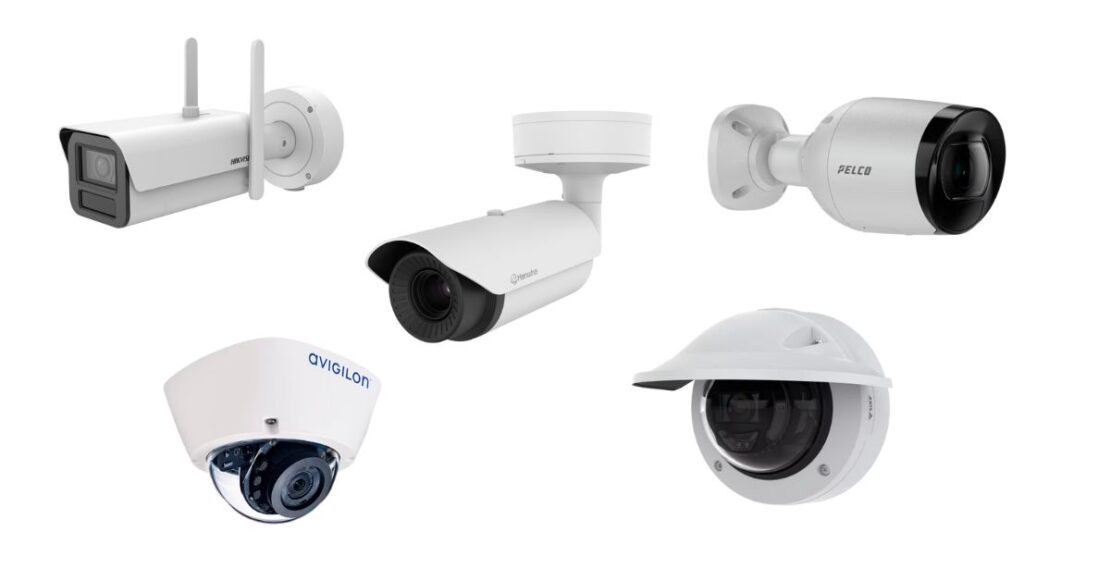
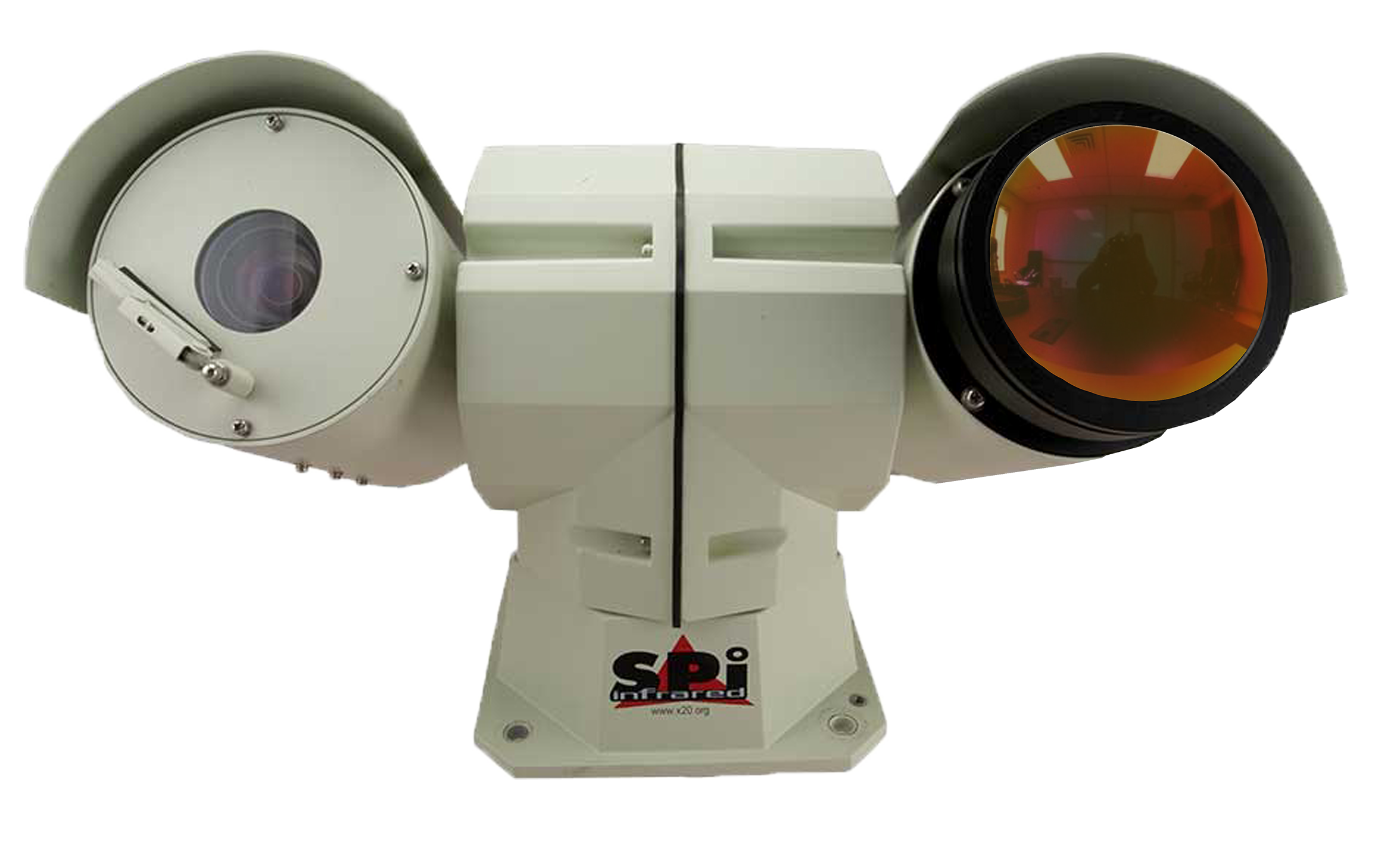
Thermal surveillance cameras have become an essential tool in enhancing security measures across various industries and sectors. These advanced cameras utilize thermal imaging technology to detect and capture images based on the heat emitted by objects, rather than relying on visible light. This unique feature allows thermal surveillance cameras to provide clear visibility even in complete darkness or challenging environmental conditions.
One of the key advantages of thermal surveillance cameras is their ability to detect heat signatures, making them ideal for monitoring areas where traditional cameras may fall short. For example, in low-light conditions or areas with heavy fog, smoke, or dust, thermal cameras can still deliver high-quality images for effective surveillance.
Moreover, thermal surveillance cameras are highly effective in detecting intruders or unauthorized individuals in restricted areas. By detecting body heat signatures, these cameras can alert security personnel to potential threats promptly. This proactive approach enhances overall security and helps prevent security breaches before they escalate.
Another significant benefit of thermal surveillance cameras is their versatility in various applications. From perimeter security and border control to industrial monitoring and search and rescue operations, these cameras offer reliable performance across different scenarios. Additionally, thermal imaging technology can be integrated with other security systems to provide comprehensive monitoring solutions.
In conclusion, thermal surveillance cameras play a crucial role in modern security infrastructure by offering enhanced visibility and detection capabilities. Their ability to operate effectively in challenging conditions makes them a valuable asset for maintaining safety and security across different environments.
Understanding Thermal Surveillance Cameras: Key FAQs and Their Applications
- What is a thermal surveillance camera?
- How does a thermal surveillance camera work?
- What are the advantages of using a thermal surveillance camera?
- In what scenarios can thermal surveillance cameras be used?
- Are thermal surveillance cameras effective in low-light conditions?
- Can thermal surveillance cameras detect intruders or unauthorized individuals accurately?
- How can thermal surveillance cameras be integrated with existing security systems?
What is a thermal surveillance camera?
A thermal surveillance camera is a specialized device that utilizes thermal imaging technology to capture images based on the heat emitted by objects rather than visible light. This innovative camera is designed to provide clear visibility in low-light conditions, complete darkness, or challenging environments where traditional cameras may struggle. By detecting heat signatures, thermal surveillance cameras can effectively monitor areas and detect intruders or unauthorized individuals, enhancing security measures across various industries and sectors.
How does a thermal surveillance camera work?
Thermal surveillance cameras operate on the principle of thermal imaging technology, which detects heat signatures emitted by objects rather than relying on visible light. These cameras contain a special sensor called a thermal detector that converts infrared radiation emitted by objects into electrical signals. The camera then processes these signals to create a thermal image, where warmer objects appear brighter and cooler objects appear darker. This unique capability allows thermal surveillance cameras to capture clear images even in complete darkness or challenging environmental conditions, making them highly effective for security monitoring and threat detection.
What are the advantages of using a thermal surveillance camera?
There are several advantages to using a thermal surveillance camera. One key benefit is its ability to provide clear visibility in low-light conditions or complete darkness, making it an ideal solution for nighttime surveillance. Thermal cameras can detect heat signatures, allowing them to capture images based on thermal energy emitted by objects rather than visible light. This feature enables them to effectively monitor areas with challenging environmental conditions such as fog, smoke, or dust. Additionally, thermal surveillance cameras excel at detecting intruders or unauthorized individuals by capturing their body heat signatures, enhancing security measures and helping prevent potential threats before they escalate.
In what scenarios can thermal surveillance cameras be used?
Thermal surveillance cameras can be used in a wide range of scenarios due to their unique capabilities and effectiveness in various environments. These cameras are commonly employed in nighttime surveillance operations to monitor areas with limited visibility or complete darkness. Additionally, thermal cameras are ideal for perimeter security, border control, and critical infrastructure protection, where detecting heat signatures is essential for identifying potential threats. In industrial settings, thermal surveillance cameras are utilized for monitoring equipment, detecting overheating machinery, and ensuring workplace safety. Furthermore, these cameras find applications in search and rescue operations, wildlife monitoring, and firefighting efforts due to their ability to detect heat sources and individuals in challenging conditions.
Are thermal surveillance cameras effective in low-light conditions?
Thermal surveillance cameras are highly effective in low-light conditions due to their unique ability to detect heat signatures emitted by objects, rather than relying on visible light. Unlike traditional cameras that may struggle in darkness, thermal cameras excel in providing clear images even when visibility is limited. This makes them ideal for monitoring areas with minimal lighting or during nighttime operations. By capturing thermal images based on heat emissions, these cameras offer reliable surveillance capabilities in challenging environments where traditional cameras may fall short.
Can thermal surveillance cameras detect intruders or unauthorized individuals accurately?
Thermal surveillance cameras are highly effective in accurately detecting intruders or unauthorized individuals in various security scenarios. These advanced cameras utilize thermal imaging technology to detect heat signatures emitted by objects, including human bodies, even in low-light conditions or challenging environments. By capturing and analyzing these heat signatures, thermal surveillance cameras can identify and alert security personnel to potential threats with a high degree of accuracy. This proactive approach enables swift response actions to be taken, enhancing overall security measures and helping to prevent security breaches effectively.
How can thermal surveillance cameras be integrated with existing security systems?
Integrating thermal surveillance cameras with existing security systems is a strategic way to enhance overall surveillance capabilities. By leveraging the compatibility of thermal cameras with various security technologies, such as video management systems (VMS) and alarm systems, seamless integration can be achieved. This allows for real-time monitoring and alerts based on thermal imaging data, providing a comprehensive approach to security management. Furthermore, integration with access control systems enables efficient coordination between thermal cameras and entry points, ensuring a proactive response to potential threats. Overall, integrating thermal surveillance cameras with existing security systems optimizes operational efficiency and strengthens the overall security posture of an organization.