Conventional Fire Alarm Panel: Ensuring Prompt Response to Fire Emergencies
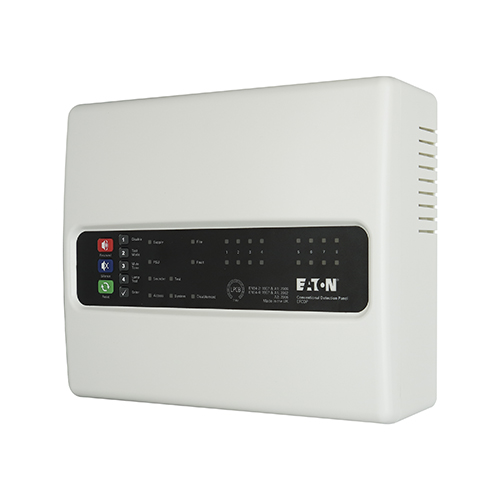
A conventional fire alarm panel is a critical component of any fire protection system, providing early detection and warning in the event of a fire emergency. These panels are designed to monitor various fire detection devices, such as smoke detectors, heat detectors, and manual call points, installed throughout a building or facility.
One of the key features of a conventional fire alarm panel is its ability to divide a building into zones, allowing for easier identification of the location of a potential fire. When a fire detection device within a specific zone is triggered, the panel activates visual and audible alarms to alert occupants and initiate appropriate response procedures.
Conventional fire alarm panels are known for their reliability and cost-effectiveness, making them suitable for small to medium-sized buildings where a more complex addressable system may not be necessary. These panels are easy to install and maintain, providing essential fire protection without requiring extensive training or expertise.
In addition to activating alarms, conventional fire alarm panels can also be integrated with other building systems, such as sprinklers and emergency lighting, to enhance overall safety measures. By ensuring prompt notification of potential fires, these panels play a crucial role in minimizing property damage and protecting lives in the event of an emergency.
Overall, conventional fire alarm panels serve as an essential tool in fire prevention and response strategies, offering reliable monitoring and alert capabilities that help safeguard buildings and occupants against the devastating effects of fires.
Top 5 Advantages of Conventional Fire Alarm Panels for Effective Building Safety
- Cost-effective solution for fire detection and alarm activation
- Easy to install and maintain, requiring minimal training
- Divides building into zones for quick identification of fire location
- Reliable performance in small to medium-sized buildings
- Can be integrated with other safety systems for enhanced protection
Challenges of Conventional Fire Alarm Panels: Limited Precision and Suitability for Complex Buildings
- Limited ability to pinpoint the exact location of a fire within a zone
- Requires manual inspection to identify the specific device that triggered the alarm
- May lead to false alarms due to limited detection capabilities
- Not suitable for large or complex buildings requiring more advanced monitoring and control features
Cost-effective solution for fire detection and alarm activation
One of the key advantages of a conventional fire alarm panel is its cost-effectiveness as a solution for fire detection and alarm activation. Compared to more complex addressable systems, conventional panels offer a budget-friendly option for small to medium-sized buildings without compromising on essential fire protection capabilities. This affordability makes conventional fire alarm panels an attractive choice for property owners looking to implement reliable fire detection and alert systems without exceeding their budget constraints. By providing a cost-effective solution, these panels ensure that critical fire safety measures are accessible and achievable for a wide range of facilities, contributing to overall safety and peace of mind.
Easy to install and maintain, requiring minimal training
One of the key advantages of conventional fire alarm panels is their ease of installation and maintenance, requiring minimal training for operation. This user-friendly feature makes them a practical choice for small to medium-sized buildings where a more complex system may not be necessary. With straightforward setup procedures and simple maintenance requirements, conventional fire alarm panels offer a cost-effective and efficient solution for ensuring fire safety without the need for extensive expertise or specialized training.
Divides building into zones for quick identification of fire location
One of the key advantages of a conventional fire alarm panel is its ability to divide a building into zones, facilitating quick identification of the location of a fire. By segmenting the building into distinct zones, each equipped with specific fire detection devices, the panel enables efficient pinpointing of the exact area where a fire may have originated. This zoning feature not only helps in directing emergency response teams to the precise location swiftly but also aids in implementing targeted evacuation procedures, thereby enhancing overall safety measures and minimizing potential damage in the event of a fire emergency.
Reliable performance in small to medium-sized buildings
One of the key advantages of conventional fire alarm panels is their reliable performance in small to medium-sized buildings. These panels are designed to effectively monitor fire detection devices and provide timely alerts in the event of a fire emergency, ensuring that occupants can evacuate safely and swiftly. Their simplicity and cost-effectiveness make them ideal for buildings where a more complex system may not be necessary, offering peace of mind and essential protection against potential fire hazards.
Can be integrated with other safety systems for enhanced protection
Conventional fire alarm panels offer the valuable advantage of being easily integrated with other safety systems to provide enhanced protection against fire emergencies. By seamlessly connecting with systems such as sprinklers, emergency lighting, and access control, these panels create a comprehensive safety network that can swiftly respond to potential threats. This integration ensures a coordinated and efficient response in the event of a fire, maximizing the effectiveness of safety measures and minimizing risks to occupants and property. The ability to combine multiple safety systems underscores the versatility and reliability of conventional fire alarm panels in strengthening overall fire protection strategies.
Limited ability to pinpoint the exact location of a fire within a zone
One significant drawback of conventional fire alarm panels is their limited ability to pinpoint the exact location of a fire within a zone. Unlike addressable fire alarm systems that provide specific information about the exact device that has been triggered, conventional panels can only identify the general zone where the fire detection device has been activated. This limitation can potentially delay response times and complicate firefighting efforts, as emergency responders may face challenges in quickly locating the source of the fire within a larger area. As a result, buildings equipped with conventional fire alarm panels may experience delays in implementing targeted evacuation procedures and deploying firefighting resources effectively, compromising overall safety measures during a fire emergency.
Requires manual inspection to identify the specific device that triggered the alarm
A significant drawback of conventional fire alarm panels is that they require manual inspection to identify the specific device that triggered the alarm. Unlike addressable fire alarm systems that provide detailed information about the exact location of a triggered device, conventional panels only indicate the general zone where the alarm was activated. This limitation can result in delays in responding to a fire emergency, as responders must manually search the designated zone to pinpoint the source of the alarm. This manual inspection process not only consumes valuable time but also increases the risk of overlooking critical details that could impact the effectiveness of the emergency response. As a result, the reliance on manual identification with conventional fire alarm panels highlights a notable disadvantage in terms of timely and accurate incident management.
May lead to false alarms due to limited detection capabilities
One significant drawback of conventional fire alarm panels is that they may lead to false alarms due to their limited detection capabilities. Because these panels rely on zone-based detection rather than individual device identification, a triggered alarm in one zone can sometimes result in the entire zone being treated as a potential fire location. This limitation can lead to false alarms, causing inconvenience to occupants and potentially reducing the credibility of the alarm system. Additionally, the lack of precise device identification in conventional panels can make it challenging to pinpoint the exact location of a fire, delaying response efforts and potentially increasing the risk of property damage or injury.
Not suitable for large or complex buildings requiring more advanced monitoring and control features
One significant drawback of conventional fire alarm panels is that they are not suitable for large or complex buildings that require more advanced monitoring and control features. In such environments, where precise identification of the location of a fire is crucial, conventional panels may not provide the level of sophistication and flexibility needed for effective fire protection. Addressable fire alarm systems, with their ability to pinpoint the exact location of a triggered device, are better suited for larger buildings with intricate layouts and multiple zones. While conventional panels offer cost-effective solutions for smaller structures, their limitations in scalability and advanced functionality make them less ideal for comprehensive fire safety in extensive or intricate building setups.