
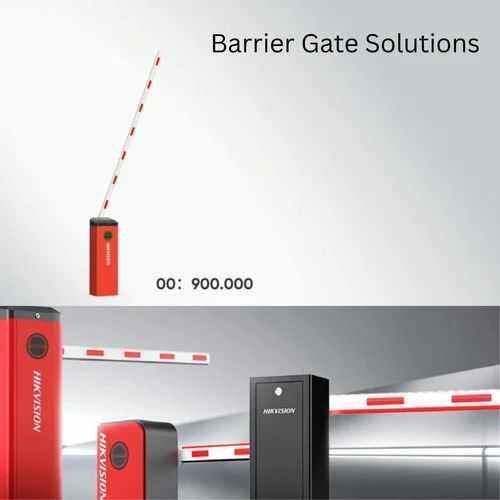
Toll Barrier Gate: An Essential Solution for Efficient Toll Management
A toll barrier gate helps control vehicle movement at toll plazas, parking facilities and other access points where a fee or authorisation is required. By raising and lowering a barrier arm, it allows approved vehicles to pass while helping prevent unauthorised entry. When selected and installed appropriately, a toll barrier can support smoother traffic flow, safer operations and more organised vehicle access.
What Is a Toll Barrier Gate?
A toll barrier gate is a powered access-control system, usually made up of a barrier arm, a drive mechanism, a control unit and safety devices. The arm remains lowered to stop vehicles and lifts when the system receives an authorised signal, such as a payment confirmation or an operator’s command.
At a toll plaza, the barrier may work with a toll collection system, vehicle sensor, ticketing equipment, automatic number plate recognition (ANPR) camera or other access-control technology. The exact configuration depends on the site and how toll collection is managed.
How Does a Toll Barrier Gate Work?
- A vehicle approaches: Sensors or an operator identify that a vehicle is waiting at the lane.
- Payment or authorisation is checked: The toll system verifies payment, a valid pass or another form of approval.
- The barrier opens: The control system signals the barrier mechanism to raise the arm.
- The vehicle passes: Safety sensors help detect the vehicle’s position and movement.
- The barrier closes: Once the lane is clear, the arm lowers to control access for the next vehicle.
In some installations, a staff member operates the barrier manually. In automated lanes, the gate can be integrated with electronic toll collection and lane-management systems.
Common Types of Toll Barrier Gates
- Automatic boom barriers: A motorised arm opens and closes in response to a control signal. These are commonly used at toll lanes and vehicle access points.
- Manual barriers: An operator raises and lowers the arm by hand. They may suit locations with limited traffic or where automation is not required.
- High-speed barriers: Designed for sites that need quicker barrier movement. The operating speed should be matched to traffic volume and safety requirements.
- Telescopic or folding-arm barriers: These can be useful where the available space or lane layout limits the length or movement of a conventional arm.
- Multi-lane systems: Several barriers can be coordinated with lane controls and a central management system for larger facilities.
Key Features to Consider
Not every barrier is suitable for every toll lane. Before choosing a system, assess the operating conditions and the equipment required at the site.
- Traffic volume: Consider the number of vehicles expected during normal and peak periods.
- Arm length and lane width: The barrier arm should be appropriate for the lane layout and vehicle type.
- Operating cycle: Check that the system is designed for the expected frequency of opening and closing.
- Safety devices: Vehicle sensors, photocells and other protective devices can help reduce the risk of the arm closing on a vehicle or person.
- Integration: Confirm compatibility with toll collection equipment, access-control systems, traffic lights, cameras and lane-management controls.
- Manual operation: A clear procedure for operating the barrier during a power or system failure can support continuity.
- Weather and site conditions: Consider exposure to dust, rain, heat and other environmental factors when selecting equipment and planning installation.
- Maintenance and support: Check the availability of spare parts, servicing and technical assistance.
Benefits of Toll Barrier Gates
- Controlled vehicle access: The barrier helps ensure that vehicles pass only after the required authorisation.
- More organised toll operations: A barrier can create a clear stop-and-go process at each lane.
- Support for automated collection: When integrated with suitable systems, the gate can operate as part of an electronic tolling workflow.
- Improved lane management: Barrier status can be coordinated with signals and monitoring equipment to help guide vehicles.
- Reduced reliance on manual operation: Automation can reduce routine operator tasks, while staff remain available to manage exceptions and assist road users.
Installation and Maintenance
Correct installation is important for reliable operation. The barrier should be positioned to suit the lane geometry, with suitable foundations, electrical connections and protection for control equipment. Sensors and safety devices must be aligned and tested, and the system should be checked alongside any connected toll or access-control equipment.
Routine maintenance may include inspecting the arm and its fixing points, checking the drive mechanism, testing sensors and safety features, and keeping the equipment clean. The maintenance schedule should follow the manufacturer’s guidance and reflect how frequently the barrier is used. Any unusual noise, slow movement or inconsistent operation should be investigated promptly.
Safety and Operational Planning
A toll barrier gate is one part of a safe toll-lane setup. Clear road markings, suitable lighting, warning signs, lane signals and trained staff all contribute to safer operation. Drivers should be given enough space to stop before the barrier, and the system should be configured to prevent the arm from lowering while a vehicle is in its path.
Facilities should also plan for power interruptions, equipment faults and emergency situations. The operating team should know how to secure or manually operate the lane according to the site’s procedures.
Choosing the Right Toll Barrier Gate
Start by reviewing the site’s traffic volume, lane dimensions, toll collection method and safety requirements. Then compare barrier types, integration options, operating performance and maintenance needs. A site assessment by a qualified supplier or installer can help identify a configuration that suits the location and intended use.
Conclusion
A toll barrier gate is an important component of a well-managed toll lane. The right system can support controlled access, orderly vehicle movement and integration with modern toll collection technologies. Careful product selection, professional installation, appropriate safety measures and regular maintenance all help a toll barrier perform reliably over time.
Toll Barrier Gates in India: 7 FAQs on Types, Costs, Integration, Safety, Maintenance and Selection
- What is a toll barrier gate and how does it work?
- What types of toll barrier gates are available?
- How much does a toll barrier gate cost in India?
- How can a toll barrier gate be integrated with electronic toll collection systems?
- What safety features should a toll barrier gate have?
- How often should a toll barrier gate be serviced?
- What should I consider when choosing a toll barrier gate for a toll plaza?
What is a toll barrier gate and how does it work?
A toll barrier gate is a motorised arm that controls vehicle access at a toll plaza or other restricted entry point. When a vehicle approaches, the toll system checks its payment or authorisation—through an operator, ticket, electronic tag or integrated system—and sends a signal to raise the arm. Sensors help detect the vehicle as it passes, and the barrier lowers once the lane is clear. Safety devices and correct installation are important to help prevent the arm from closing on a vehicle or person.
What types of toll barrier gates are available?
Toll barrier gates are available in several types to suit different traffic volumes and site requirements. Common options include automatic boom barriers, which open and close using a motor; manual barriers, operated by an attendant; and high-speed barriers designed for busy toll lanes. Telescopic or folding-arm barriers can be useful where space is limited, while multi-lane systems coordinate several gates with traffic signals and toll collection equipment. The most suitable type depends on lane width, vehicle flow, safety requirements and the level of automation needed.
How much does a toll barrier gate cost in India?
The cost of a toll barrier gate in India varies according to the boom arm length, operating speed, traffic volume, duty cycle, safety features and level of automation. A basic automatic boom barrier may cost approximately ₹25,000–₹60,000, while heavy-duty models or systems integrated with toll collection, ANPR cameras, sensors and lane controls can cost considerably more. Installation, civil work, software, GST and ongoing maintenance may also affect the total price, so it is best to request a site-specific quotation based on your requirements.
How can a toll barrier gate be integrated with electronic toll collection systems?
A toll barrier gate can be integrated with an electronic toll collection system by linking its control unit to the toll platform, vehicle sensors and, where required, RFID readers or ANPR cameras. When a vehicle’s tag or number plate is recognised, the system checks the account or payment status and sends an authorised signal to raise the barrier. Sensors confirm that the vehicle has passed before the arm closes, while the system records the transaction for monitoring and reporting. The integration should also include safety devices and a clear procedure for handling unreadable tags, failed payments, communication issues or power interruptions.
What safety features should a toll barrier gate have?
A toll barrier gate should include safety features that help protect vehicles, pedestrians and staff. These may include vehicle-detection loops or presence sensors to prevent the arm from lowering while a vehicle is beneath it, photocells or infrared sensors to detect obstructions, and a force-limiting mechanism that stops or reverses the arm if it meets resistance. Clear warning lights, reflective markings and audible alerts can improve visibility, while an emergency stop and manual release can support safe operation during faults or power cuts. The features should be selected for the site and tested regularly in line with the manufacturer’s guidance.
How often should a toll barrier gate be serviced?
A toll barrier gate should be serviced according to the manufacturer’s recommendations, the site’s operating conditions and how frequently it is used. Busy toll lanes may need more frequent inspections than low-traffic locations. Routine checks should cover the barrier arm, motor and drive mechanism, sensors, safety devices, electrical connections and manual-release function. Regular preventive maintenance helps identify wear early and supports safe, reliable operation; arrange an inspection sooner if the gate moves unevenly, makes unusual noises or fails to respond consistently.
What should I consider when choosing a toll barrier gate for a toll plaza?
When choosing a toll barrier gate for a toll plaza, consider the expected traffic volume, lane width and layout, and the frequency of operation during peak hours. Check that the barrier arm’s length and opening speed suit the site, and that safety features such as vehicle sensors and photocells are compatible with the installation. The system should integrate with your toll collection equipment, cameras, traffic signals and lane-management controls where required. Also assess its durability in local weather conditions, maintenance needs, availability of spare parts and technical support, and provision for manual operation during a power or system failure.