Pinhole CCTV Cameras: Uses, Features and Things to Consider
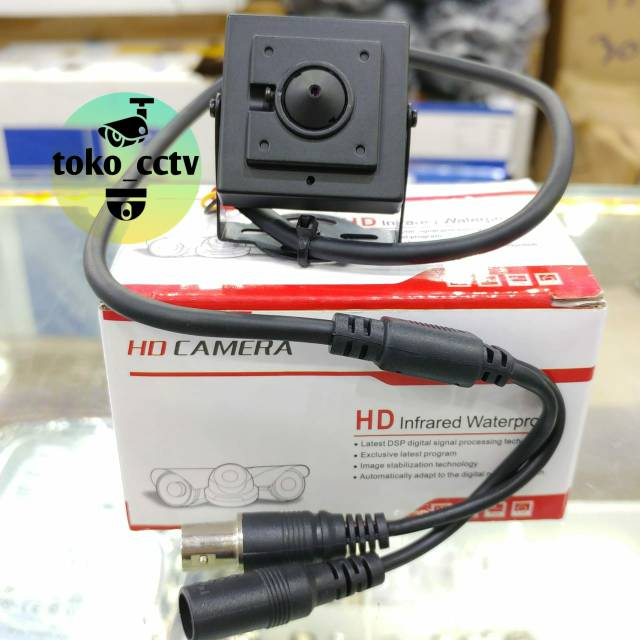
A pinhole CCTV camera is a compact surveillance camera with a very small lens opening. Its small size makes it useful where a standard camera may be difficult to fit, such as inside kiosks, ATMs, display units or other equipment. Pinhole cameras can be part of a larger CCTV system, but their suitability depends on the setting, the image quality required and the purpose of monitoring.
How does a pinhole CCTV camera work?
A pinhole camera captures light through a tiny aperture in its lens and converts it into a video signal. Depending on the model, the signal may be sent to a digital video recorder (DVR), network video recorder (NVR) or compatible monitoring system. Some models connect over a cable, while others use a network connection.
The small lens does not automatically mean the camera is wireless or easy to install. Power, video transmission, recording and storage requirements vary by model.
Common applications
Pinhole cameras are designed for space-constrained or equipment-integrated applications. They may be used for:
- Monitoring transactions or service areas in ATMs and kiosks
- Viewing activity inside machinery, cabinets or display units
- Security monitoring in compact enclosures
- Specialist applications where a small camera module is needed
They are generally not a substitute for visible CCTV cameras used to monitor large rooms, entrances or outdoor areas. A conventional camera may provide better coverage and image quality in those situations.
Advantages and limitations
The main advantage of a pinhole CCTV camera is its compact form. It can fit into places where a larger camera cannot, and some models can be integrated into purpose-built equipment. A small lens may also be less visually prominent than a standard CCTV camera.
However, compact size can come with trade-offs. Depending on the model, a pinhole camera may have a narrower field of view, lower image quality or weaker performance in poor lighting than a larger camera. Its small aperture can also affect how much light reaches the sensor. Check the camera’s specifications and test it in the actual lighting conditions before choosing it.
What to check before buying
- Resolution and image quality: Confirm that the camera can capture the detail needed for the intended use.
- Field of view: Check the viewing angle and whether it covers the required area.
- Low-light performance: Look for suitable low-light specifications if the space is dim.
- Recording compatibility: Make sure the camera works with the chosen DVR, NVR or video management system.
- Power and connectivity: Confirm the power supply, cable type and network requirements.
- Installation environment: Consider heat, dust, vibration and access for maintenance.
- Storage and retention: Plan how footage will be recorded, protected and retained.
Privacy and responsible use
Because pinhole cameras are small, their use requires particular care. CCTV should be installed only for a legitimate security or operational purpose, and people should not be recorded in areas where they reasonably expect privacy, such as toilets or changing rooms. Where monitoring takes place in a workplace or public-facing premises, provide appropriate notice and restrict access to footage.
In India, privacy and data-protection requirements may apply to the collection, use and storage of identifiable video footage. Requirements depend on the context and applicable law, so organisations should obtain suitable legal guidance before installing or operating a surveillance system. Secure the camera and recorder, use strong passwords, limit user access and follow a clear footage-retention policy.
Is a pinhole camera the right choice?
A pinhole CCTV camera may be suitable when space is limited or when a camera needs to be integrated into equipment for a defined, lawful purpose. For general security monitoring, a visible CCTV camera with a wider view and stronger low-light performance may be more appropriate. Compare specifications, confirm recorder compatibility and assess privacy obligations before installation.
7 Key Benefits of Pinhole CCTV Cameras
- Compact and easy to fit in tight spaces
- Discreet design
- Suitable for equipment-integrated monitoring
- Can connect to compatible CCTV systems
- Available in wired and networked models
- Useful for close-up surveillance
- Offers flexible installation options
6 Disadvantages of Pinhole CCTV Cameras to Consider Before Buying
- Often offers a narrow field of view.
- May perform poorly in low light.
- Can produce lower image quality than standard cameras.
- Small size can make installation and maintenance tricky.
- May require compatible recording equipment.
- Must be used carefully to protect privacy.
Compact and easy to fit in tight spaces
Pinhole CCTV cameras are compact and easy to fit in tight spaces where a standard camera may be impractical. Their small size makes them suitable for discreet installation in equipment, kiosks, cabinets and other confined areas, while still providing a view of the activity that needs monitoring.
Discreet design
Discreet design: A pinhole CCTV camera has a compact body and a very small lens opening, making it less visually prominent than a standard camera. This can be useful in space-constrained settings, such as kiosks or equipment enclosures, where a larger unit may not fit. Install it only for a legitimate purpose and follow applicable privacy and notice requirements.
Suitable for equipment-integrated monitoring
Pinhole CCTV cameras are well suited to equipment-integrated monitoring because their compact size allows them to be fitted into devices, kiosks, cabinets and other restricted spaces. They can provide a clear view of a specific operating area without taking up much room, making them useful for monitoring equipment activity, transactions or processes where a standard-sized camera may not fit.
Can connect to compatible CCTV systems
Can connect to compatible CCTV systems
A pinhole CCTV camera can be integrated with a compatible CCTV setup, allowing its footage to be viewed or recorded alongside feeds from other cameras. Before installation, check that the camera’s video output, power requirements and connection type are supported by your DVR, NVR or monitoring system. This can help make monitoring more convenient while keeping footage within your existing security setup.
Available in wired and networked models
Pinhole CCTV cameras are available in both wired and networked models, making it easier to choose a setup that suits the site and existing system. Wired models can provide a stable connection to compatible recording equipment, while networked models can transmit video over an IP network and may integrate with an NVR or video management system. Before selecting a model, check its power, connectivity and recorder compatibility requirements.
Useful for close-up surveillance
Pinhole CCTV cameras are useful for close-up surveillance in compact spaces, where capturing detail at short range is more important than covering a wide area. Their small size makes them suitable for monitoring specific points, such as a counter, kiosk or equipment panel. For the best results, choose a camera with an appropriate viewing angle and resolution for the intended distance.
Offers flexible installation options
Pinhole CCTV cameras offer flexible installation options thanks to their compact size. They can fit into confined spaces or be integrated into suitable equipment where a conventional camera may not be practical. Depending on the model, they can also be connected to compatible recording systems using different power and transmission arrangements, making it easier to plan an installation around the site’s layout and monitoring needs.
Often offers a narrow field of view.
A pinhole CCTV camera often offers a narrow field of view, so it may capture only a small part of a room or area. This can leave blind spots and make it difficult to monitor wider spaces without installing additional cameras. Before choosing one, check its viewing angle and position it carefully to ensure it covers the area that matters.
May perform poorly in low light.
One limitation of a pinhole CCTV camera is that it may perform poorly in low-light conditions. Its tiny aperture lets in less light, which can result in darker, grainier footage and reduced detail at night or in dimly lit areas. Before choosing a model, check its low-light specifications and consider whether additional lighting is needed.
Can produce lower image quality than standard cameras.
A pinhole CCTV camera may produce lower image quality than a standard camera, particularly in low-light conditions. Its tiny lens lets in less light and may offer less detail, making it harder to identify faces or read number plates. For clearer footage, compare the camera’s resolution and low-light performance with the requirements of the area being monitored.
Small size can make installation and maintenance tricky.
The compact size of a pinhole CCTV camera can make installation and maintenance more challenging than with a standard camera. Its tiny components may be difficult to position accurately, and accessing the camera for cleaning, repairs or adjustments can be awkward, particularly when it is fitted inside equipment or a restricted space. Careful installation and regular checks help ensure it continues to capture a clear view.
May require compatible recording equipment.
A pinhole CCTV camera may require a compatible DVR, NVR or monitoring system to record and view footage. Before purchasing, check that the camera’s video output, connection type, resolution and power requirements match your existing equipment. If they do not, you may need additional hardware, which can increase installation costs and complexity.
Must be used carefully to protect privacy.
Pinhole CCTV cameras must be used with care because their compact size can make them less noticeable. Install them only for a clear and lawful purpose, avoid areas where people expect privacy, and provide appropriate notice wherever required. Access to recordings should be restricted, and footage should be stored securely and kept only for as long as necessary.