
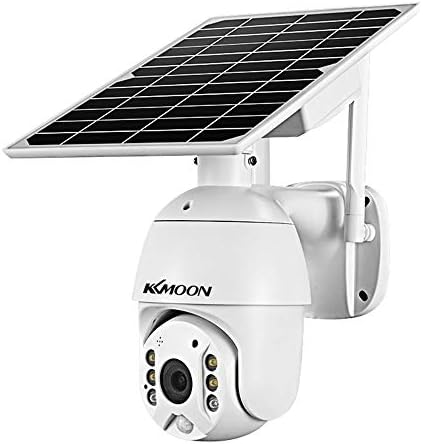
Solar CCTV Camera for Outdoor Security: A Practical Guide
A solar CCTV camera outdoor system can help monitor locations where connecting to the electricity grid is difficult, expensive or impractical. Powered by sunlight and supported by a rechargeable battery, it can provide video surveillance for farms, construction sites, boundary walls, parking areas and other remote locations.
Before choosing a system, it is useful to understand how solar CCTV cameras work, what features to look for and how to plan for changing weather and site conditions.
What Is a Solar CCTV Camera?
A solar CCTV camera uses a solar panel to generate electricity. The energy is stored in a battery, which powers the camera when sunlight is unavailable, such as at night or during cloudy weather. Depending on the model and installation, footage may be stored on a memory card, a network video recorder (NVR) or a cloud platform.
Some cameras connect to a Wi-Fi network, while others use a 4G SIM card to send footage or alerts. These options make solar CCTV suitable for sites without a convenient wired network connection.
How Does It Work?
- Solar panel: Converts sunlight into electrical energy.
- Battery: Stores energy to operate the camera when the panel is not generating power.
- Camera: Captures video, with features such as motion detection, night vision or pan-tilt-zoom (PTZ) control depending on the model.
- Connectivity and storage: Sends footage over Wi-Fi or a mobile network, or saves it locally.
System performance depends on the camera’s power consumption, battery capacity, panel size, sunlight exposure and the amount of video recording or data transmission required.
Benefits of Outdoor Solar CCTV
- Useful in remote areas: Suitable for locations where mains electricity is unavailable or difficult to extend.
- Reduced cabling: Can limit the need to run power cables across open land or long boundaries.
- Flexible placement: The camera can be installed in areas that are not close to a building, provided the panel receives adequate sunlight and the network connection is suitable.
- Backup power: A properly sized battery can keep the camera operating after sunset and during periods of low sunlight.
- Remote monitoring: Compatible systems can allow authorised users to view live video or receive alerts through an app.
Where Can Solar CCTV Cameras Be Used?
Outdoor solar CCTV systems may be considered for:
- Farms, orchards and agricultural storage areas
- Construction and infrastructure sites
- Warehouses, yards and open storage spaces
- Perimeter fencing and remote entrances
- Parking areas and temporary event locations
- Roadside or utility locations without a nearby power supply
Each site is different. A security assessment can help determine the camera’s position, required viewing angle, recording method and connectivity options.
Features to Check Before Buying
Solar panel and battery capacity
Check whether the panel and battery are designed to support the camera’s expected operating hours and features. Continuous recording, frequent alerts, PTZ movement and cellular data use can increase power consumption. Ask the supplier how the system is expected to perform during cloudy periods and whether the battery can support operation without direct sunlight for a suitable period.
Weather protection
Look for equipment rated for outdoor use and suited to the site’s exposure to rain, dust, heat and wind. The panel, camera, connectors and mounting hardware all need appropriate protection. Installation should follow the manufacturer’s guidance.
Night-time performance
Review the camera’s low-light performance and the type and range of its night vision. The usable range can vary with the scene, lighting and camera settings, so it is worth checking whether it meets the site’s actual requirements.
Connectivity
Wi-Fi may be suitable when a reliable network is available within range. For isolated sites, a 4G-enabled camera may be an option, subject to mobile network coverage and data costs. Confirm signal strength at the proposed camera location before installation.
Recording and storage
Decide whether footage should be stored on a memory card, NVR or cloud service. Check storage capacity, retention requirements, remote access arrangements and what happens if the internet connection is interrupted.
Camera type and coverage
A fixed camera may be suitable for monitoring a specific gate or entrance. PTZ models can cover a wider area by moving the camera, but movement and advanced functions may use more power. Consider the required resolution, viewing angle and number of cameras needed to avoid blind spots.
Installation Tips
- Position the solar panel where it receives good sunlight for much of the day, avoiding shade from trees, buildings and other structures.
- Mount the camera at a suitable height and angle to capture the intended area without unnecessary obstruction.
- Check mobile or Wi-Fi signal strength at the installation point.
- Use secure mounting hardware and protect cables and connectors from weather and tampering.
- Configure motion detection, alerts and recording settings to suit the site and reduce unnecessary power and data use.
- Test live viewing and recorded footage before leaving the site.
For larger installations or critical locations, professional planning and installation can help ensure suitable coverage, stable mounting and correct system configuration.
Maintenance and Performance
Solar CCTV equipment still needs periodic checks. Clean dust, leaves and other debris from the solar panel, inspect brackets and connections, and confirm that the battery is charging correctly. In India, dust, monsoon rain, high temperatures and seasonal changes in sunlight can affect performance, so inspections should be planned according to local conditions and the manufacturer’s recommendations.
It is also good practice to test night-time footage, review storage capacity and check that remote access and alerts are working as intended.
Is an Outdoor Solar CCTV Camera Right for You?
A solar CCTV camera can be a practical option when a site needs surveillance but does not have convenient access to mains power. The right setup depends on the area to be monitored, sunlight availability, battery capacity, network coverage, recording needs and local weather conditions.
Compare these requirements before selecting a system, and confirm that the camera, solar panel and battery are designed to work together. A well-planned installation can provide flexible outdoor monitoring for remote and hard-to-wire locations.
Solar Outdoor CCTV Cameras in India: Frequently Asked Questions
- Are solar-powered CCTV cameras any good?
- Which solar CCTV camera is best in India?
- What is the best solar outdoor security camera?
- Can solar CCTV work without internet?
Are solar-powered CCTV cameras any good?
Yes, solar-powered CCTV cameras can be a good choice for outdoor security, particularly in remote locations or areas where running power cables is difficult. They use a solar panel to charge a battery, allowing the camera to operate without a direct mains connection. Performance depends on factors such as sunlight, battery capacity, camera settings and network coverage, so check that the system can support your recording needs during cloudy weather and at night. Regularly cleaning the panel and checking the battery can also help maintain reliable operation.
Which solar CCTV camera is best in India?
The best solar CCTV camera in India depends on where it will be installed and how it will be used. Look for an outdoor-rated model with weather protection, a suitable solar panel and battery, clear night vision, motion alerts and dependable storage. For remote locations, a 4G SIM-enabled camera may be more practical than Wi-Fi, provided mobile coverage is available. Also check battery backup for cloudy or rainy periods, local service support, warranty and compatibility with your preferred app or recording system before choosing.
What is the best solar outdoor security camera?
The best solar outdoor security camera is one that suits your location and monitoring needs, rather than simply having the most features. Look for a reliable solar panel and battery, weather-resistant construction, clear day and night footage, useful motion alerts, and storage options that meet your requirements. For remote sites, check 4G coverage and data costs; where Wi-Fi is available, confirm the signal reaches the camera’s mounting point. Also consider warranty, after-sales support and how easily the panel can be cleaned and maintained.
Can solar CCTV work without internet?
Yes, a solar CCTV camera can work without internet if it supports local recording to a memory card or connected recorder. It can continue capturing footage and using features such as motion detection, provided its battery is charged and the system is configured for offline use. However, internet access is generally required for remote live viewing, cloud storage and app notifications. Check the camera’s specifications to confirm its offline recording features and storage capacity.