
Alarm Station: A Key Part of Modern Security Systems
An alarm station is a central point where alerts from security devices are received, displayed and managed. It may be installed at a premises, such as a factory or office, or operate as a remote monitoring centre. By bringing alarms and related information together, an alarm station helps staff respond promptly to security, fire and other safety events.
How an Alarm Station Works
When a connected device detects an event, it sends a signal to the alarm station. The device could be a door contact, motion detector, smoke detector, panic button or other sensor. The station receives the signal and presents relevant details, which may include the alarm type, location, time and device status.
An authorised operator can then follow the site’s response procedure. Depending on the system and the nature of the alert, this may involve checking the alarm, notifying designated personnel, contacting emergency services or dispatching security staff. The exact response depends on the equipment, monitoring arrangements and site protocols.
Common Types of Alarm Stations
- On-site alarm station: Located within a building or facility and managed by security or operations personnel.
- Remote monitoring station: Receives alarm signals from one or more sites over a communication network and is monitored by trained operators.
- Fire alarm control station: Displays fire alarm and fault information from connected fire detection devices.
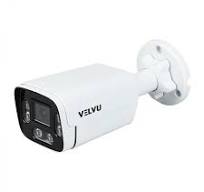
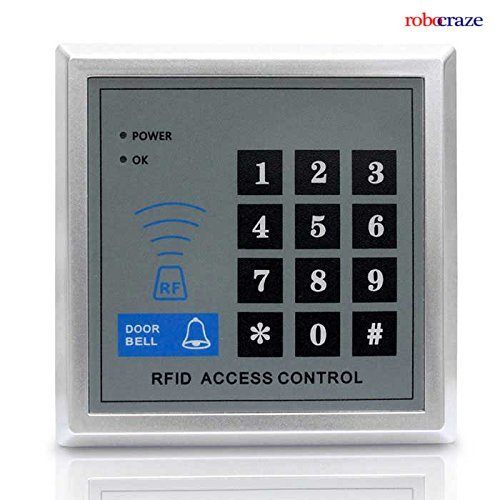
- Integrated security station: Combines alerts from systems such as intrusion detection, access control, CCTV and fire alarms.
Key Features to Look For
The right alarm station depends on the size and requirements of the premises. Useful features may include:
- A clear display showing alarm type, location and time
- Audible and visual indicators to help draw attention to alerts
- Event logs for reviewing alarms, faults and operator actions
- Support for the relevant sensors and alarm systems
- Reliable communication with connected devices and monitoring services
- Backup power and communication options, where required
- User permissions and procedures to reduce accidental changes
Benefits of an Alarm Station
A properly planned alarm station can help staff identify incidents quickly and follow a consistent response process. Centralised information can make it easier to understand what has triggered an alert and where it has occurred. Event records may also assist with investigations, maintenance and system reviews.
At larger sites, an integrated station can give operators a more coordinated view of alarms from different areas. This can be useful in offices, warehouses, schools, hospitals, commercial buildings and industrial facilities.
Planning and Installation Considerations
Before selecting an alarm station, assess the premises, the types of risks to be monitored and the number of devices to be connected. Consider who will operate the station, what actions should follow each alarm and how alerts will be communicated if the primary network or power supply is unavailable.
Installation and configuration should be carried out by qualified professionals in line with applicable requirements and the manufacturer’s instructions. Staff should be trained to recognise alarm conditions, acknowledge alerts correctly and follow documented response procedures. Regular testing and maintenance are also important to help keep the system dependable.
Choosing the Right Alarm Station
When comparing options, check compatibility with existing equipment, ease of operation, reporting capabilities, communication methods and provision for future expansion. For fire alarm applications, ensure that the selected equipment is appropriate for the intended use and applicable local requirements. Security systems should also be configured to protect access to controls and event information.
Conclusion
An alarm station is more than a display for alerts: it is an important part of a site’s monitoring and response process. With suitable equipment, clear procedures, trained operators and regular maintenance, it can help organisations manage alarms in a more organised and timely manner.
6 Key Benefits of an Alarm Station
- Centralises alerts in one place
- Helps staff respond quickly
- Shows alarm location and type
- Keeps useful event records
- Supports coordinated security monitoring
- Can integrate with multiple systems
5 Key Disadvantages of an Alarm Station
- Can be expensive to install and maintain.
- Power or network failures may affect operation.
- False alarms can disrupt staff and operations.
- Requires trained operators and regular testing.
- Poor integration may limit system effectiveness.
Centralises alerts in one place
An alarm station centralises alerts from connected security, fire and safety devices in one place. Instead of checking multiple panels or systems, operators can view alarm details such as the type of alert, its location and the time it occurred on a single interface. This makes it easier to monitor the premises, prioritise incidents and follow the appropriate response procedure.
Helps staff respond quickly
An alarm station helps staff respond quickly by bringing alerts from connected security and safety devices to one clear, central point. Operators can see what has triggered the alarm and where it has occurred, helping them follow the right response procedure without unnecessary delay. This can support faster coordination between on-site teams and emergency services when required.
Shows alarm location and type
An alarm station clearly displays the location and type of each alert, helping staff quickly understand where an incident has occurred and whether it involves a security breach, fire or another event. This information supports a faster, more appropriate response and helps operators direct assistance to the right area.
Keeps useful event records
An alarm station keeps useful event records by logging details such as the time, location and type of each alarm, along with relevant system activity. These records can help staff review incidents, understand how they were handled, identify recurring issues and plan maintenance. They also provide a helpful reference when updating security procedures or investigating an event.
Supports coordinated security monitoring
An alarm station supports coordinated security monitoring by bringing alerts from connected systems, such as intrusion alarms, fire detectors and access control, to a central point. This gives authorised personnel a clearer view of events across the premises, helping them assess alerts, share relevant information and follow the appropriate response procedures.
Can integrate with multiple systems
One of the key advantages of an alarm station is its ability to integrate with multiple systems, such as CCTV, access control, fire detection and intrusion alarms. This brings alerts and status information together in one place, helping operators understand events quickly and coordinate an appropriate response. Integration can also reduce the need to monitor separate interfaces, making day-to-day security management more efficient.
Can be expensive to install and maintain.
One drawback of an alarm station is the cost involved in its installation and ongoing maintenance. Expenses may include the control equipment, sensors, cabling or communication links, professional installation and staff training. Regular inspections, repairs, software updates and replacement parts can add to the long-term cost, particularly for large or complex premises. Planning the system around the site’s actual requirements can help avoid unnecessary expenditure.
Power or network failures may affect operation.
Power or network failures may affect operation: An alarm station depends on a reliable power supply and communication links to receive and display alerts. If either fails, alarms may be delayed, interrupted or missed, affecting the response to an incident. Backup power, secondary communication channels and regular system testing can help reduce this risk.
False alarms can disrupt staff and operations.
False alarms are a common drawback of an alarm station, as unnecessary alerts can distract staff and interrupt routine operations. Frequent false alerts may also lead to alarm fatigue, making it harder for employees to recognise and respond promptly to genuine emergencies. Regular system maintenance, correct sensor placement and staff training can help reduce avoidable alarms.
Requires trained operators and regular testing.
An alarm station requires trained operators who can recognise different alerts, follow the correct response procedures and avoid mistakes during an incident. Regular testing and maintenance are also essential to ensure that the station, connected devices and communication links work as expected. This can involve ongoing costs, staff time and operational planning, particularly for large or complex sites.
Poor integration may limit system effectiveness.
Poor integration with existing security and safety systems can limit an alarm station’s effectiveness. If it cannot communicate reliably with devices such as CCTV cameras, access control systems or fire alarms, operators may need to check several platforms separately, delaying their response. Incompatible equipment can also lead to missed alerts, incomplete event records and added maintenance costs. Checking compatibility and integration requirements before installation helps ensure the alarm station works smoothly as part of the wider system.