Security’s Growing Role in a Changing World
Security is no longer limited to locks, guards and alarm bells. Homes, offices, factories, public spaces and transport networks now rely on a combination of people, processes and technology to protect individuals, property and information. As risks change, a thoughtful security plan can help organisations respond more effectively and create safer environments.
What Does Security Mean Today?
Security involves identifying possible risks and taking suitable steps to prevent, detect and respond to them. Depending on the setting, this may include physical protection, electronic surveillance, access management, fire safety, communication systems and cybersecurity. These measures work best when they are planned together rather than treated as separate installations.
Technology and Modern Security
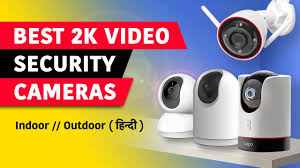
Electronic security systems can help monitor premises and provide useful information when an incident occurs. CCTV cameras, video analytics, access control systems, intruder alarms and video door phones are commonly used in residential, commercial and industrial environments. For larger sites, solutions such as perimeter protection, vehicle inspection systems and centralised monitoring can support security operations across multiple areas.
Technology alone, however, cannot guarantee safety. Systems need to be selected for the site’s requirements, installed correctly, tested regularly and maintained over time. Staff and occupants should also know how to use them and what action to take when an alert is raised.
Planning for People and Places
Every property has different security needs. A small office may require controlled entry and basic surveillance, while a warehouse may need perimeter monitoring, fire detection and vehicle access management. Public locations may also need crowd management, clear announcements and emergency response procedures.
A practical assessment can help identify vulnerable areas, daily movement patterns and likely risks. This makes it easier to choose suitable measures without adding unnecessary complexity. Signage, lighting, secure doors and well-defined procedures can be just as important as electronic equipment.
Security and Fire Safety
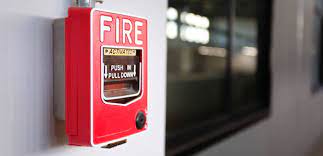
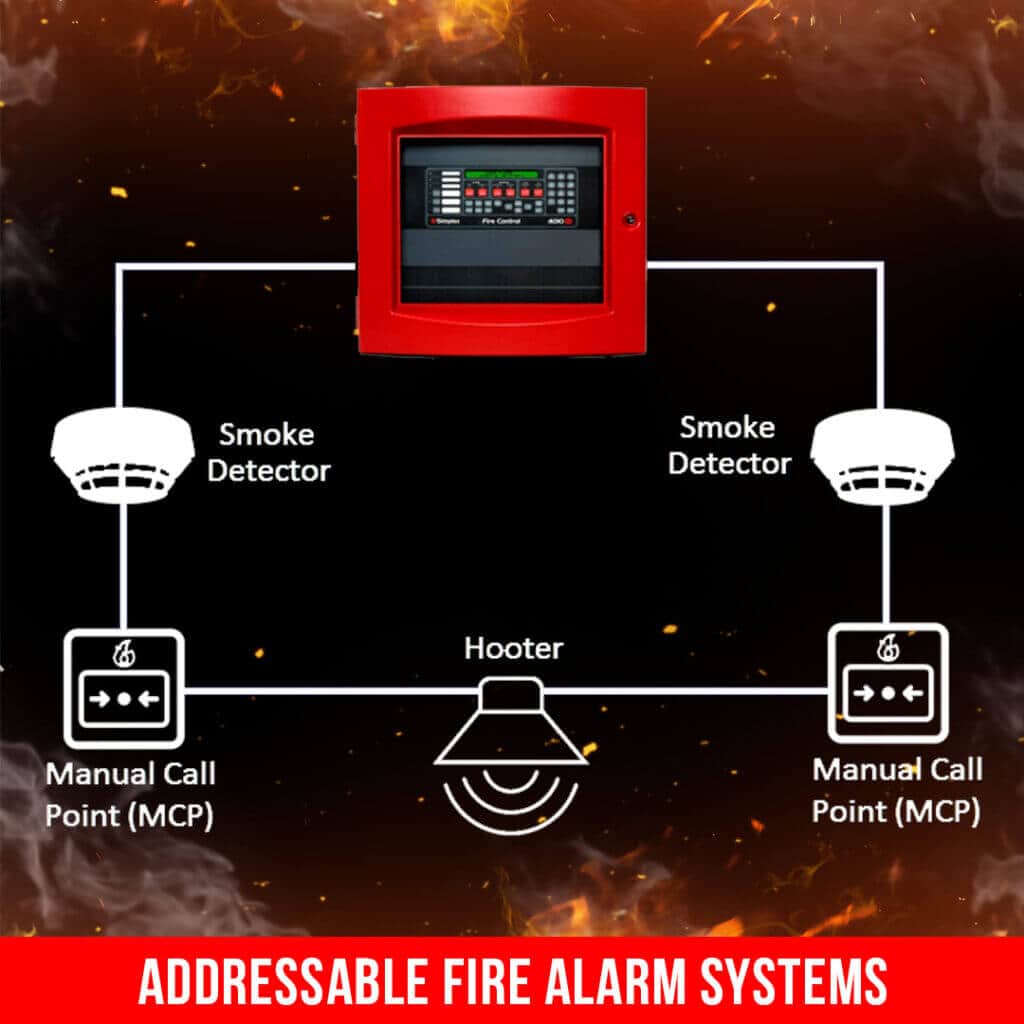
Protecting people also means preparing for emergencies such as fire. Fire detection and alarm systems, public address systems and appropriate firefighting equipment can support early warning and an orderly response. Regular checks, clear evacuation routes and staff training are essential parts of an effective safety plan.
Building a More Secure Environment
Good security is an ongoing responsibility. It calls for suitable planning, dependable equipment, trained people and regular reviews. By combining these elements, homes and organisations can improve awareness, manage access and respond more confidently to potential threats.
As technology and security needs continue to evolve, the most effective approach remains a balanced one: understand the risks, choose solutions that suit the environment and ensure that people know how to use them.
8 Key Benefits of Security for People, Property and Information
- Helps protect people and property.
- Discourages theft and unauthorised access.
- Improves awareness of potential risks.
- Supports faster emergency responses.
- Provides reassurance to staff and visitors.
- Helps safeguard valuable information.
- Enables better monitoring of premises.
- Promotes a safer environment.
Key Drawbacks of Security Systems: Cost, Privacy and Reliability
- Security systems can be costly to install and maintain.
- Surveillance may raise privacy concerns.
- Technology can fail without regular testing.
Helps protect people and property.
One of the key benefits of security is that it helps protect people and property. Measures such as CCTV, access control, alarms and fire detection can help deter unauthorised access, identify potential hazards and alert people to incidents. When supported by clear procedures and regular maintenance, these systems can contribute to safer homes, workplaces and public spaces, while helping to reduce the risk of damage, loss or harm.
Discourages theft and unauthorised access.
Visible security measures such as CCTV cameras, access control systems and intruder alarms can discourage theft and unauthorised access. When entry points are monitored and restricted to approved people, it becomes harder for intruders to enter unnoticed. These measures can also help staff identify suspicious activity and respond promptly, supporting a safer environment for people, property and valuable assets.
Improves awareness of potential risks.
One key advantage of security systems is that they improve awareness of potential risks. CCTV cameras, intrusion alarms, access control and monitoring solutions can help people identify unusual activity, unauthorised access or vulnerable areas more quickly. This awareness enables homes and organisations to take timely action, strengthen safety procedures and make better-informed decisions to protect people and property.
Supports faster emergency responses.
One important advantage of security systems is that they can support faster emergency responses. CCTV cameras, alarm systems and access control can help identify an incident quickly and alert the people responsible for taking action. Clear information about what is happening and where it is occurring can help security teams and emergency services respond more efficiently, potentially reducing risks to people and property.
Provides reassurance to staff and visitors.
A well-planned security system provides reassurance to staff and visitors by helping them feel safer while they are on the premises. Measures such as controlled access, CCTV, clear signage and trained security personnel can show that safety is taken seriously. This sense of confidence helps staff focus on their work and allows visitors to feel more comfortable.
Helps safeguard valuable information.
Security helps safeguard valuable information, such as customer details, financial records and confidential business data, from unauthorised access, theft or misuse. Measures such as access controls, secure networks, surveillance and clear data-handling procedures can reduce the risk of information being exposed and help build trust with customers and employees.
Enables better monitoring of premises.
One of the key benefits of security systems is that they enable better monitoring of premises. CCTV cameras and other surveillance solutions can help keep an eye on entrances, common areas and vulnerable locations, both during and outside working hours. This improved visibility can help security teams identify unusual activity, respond promptly to incidents and review footage when needed. With suitable system placement and regular monitoring, businesses and property owners can manage their premises more effectively and support a safer environment.
Promotes a safer environment.
Security promotes a safer environment by helping to deter unauthorised access, reduce risks and support a quicker response to emergencies. Measures such as CCTV, access control, alarms and good lighting can help people feel more secure at home, at work and in public spaces. When combined with clear procedures and regular maintenance, these measures contribute to a safer setting for everyone.
Security systems can be costly to install and maintain.
One of the main drawbacks of security systems is their cost. Installing cameras, alarms, access control and related equipment can require a significant initial investment, particularly for larger premises. Ongoing expenses such as maintenance, repairs, software updates and replacement parts can add to the total over time. It is therefore important to assess the site’s needs and budget carefully, and choose a system that offers practical protection without unnecessary features.
Surveillance may raise privacy concerns.
Surveillance can improve safety, but it may also raise privacy concerns when people feel they are being watched without their knowledge or consent. Cameras and monitoring systems may collect sensitive information, so organisations should use them only where necessary, clearly explain their purpose, restrict access to recordings and store data securely. A balanced approach helps protect people while respecting their privacy.
Technology can fail without regular testing.
A key drawback of security technology is that it can fail when it is not tested and maintained regularly. Cameras may stop recording, alarms may not activate, and access control systems may malfunction without warning. These issues can leave people and property exposed, often when protection is needed most. Routine inspections, system tests and timely maintenance help identify problems early and keep security equipment dependable.