Fire Alarm Systems: An Essential Part of Building Safety
A fire can spread quickly, putting people, property and business operations at risk. A fire alarm system helps detect signs of fire and alert occupants so they can respond promptly. When properly designed, installed and maintained, it forms an important part of a building’s overall fire-safety plan.
What Is a Fire Alarm System?
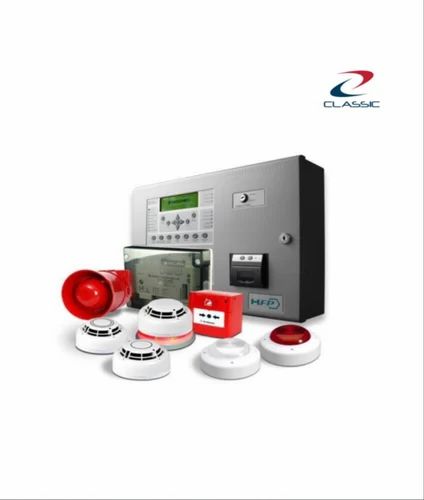
A fire alarm system is a network of devices that detects conditions such as smoke, heat or a manually reported emergency. It sends information to a control panel, which activates audible and visual alerts. Depending on the building and system design, it may also communicate with a monitoring service or connect to other safety equipment.
Key Components
- Fire alarm control panel: Receives signals from devices, indicates the location or zone of an alarm and manages system responses.
- Detectors: Detect signs of fire. Smoke detectors are commonly used in many occupied areas, while heat or other specialised detectors may be more suitable in certain environments.
- Manual call points: Allow a person to raise the alarm by operating a break-glass or push-button device.
- Sounders and visual indicators: Alert occupants using audible signals, flashing lights or both.
- Power supply and batteries: Keep the system operating during a mains power interruption, according to the system design and applicable requirements.
- Cabling and communication equipment: Connect field devices to the control panel and, where specified, support communication with other systems or monitoring services.
Common Types of Fire Alarm Systems
Conventional systems
A conventional system groups devices into zones. If an alarm occurs, the panel identifies the affected zone rather than the exact device. These systems may suit smaller or simpler premises, subject to a proper assessment of the building.
Addressable systems
In an addressable system, each compatible device has an individual address. The control panel can identify which detector or call point has activated, helping staff locate the event more quickly. Addressable systems are often considered for larger or more complex buildings.
Wireless systems
Wireless systems communicate between devices and the control panel without conventional signal cabling for every device. They can be useful where wiring is difficult, but the design must account for radio coverage, battery life, maintenance and the building’s specific conditions.
The right system depends on factors such as building size, layout, occupancy, fire risk, operating environment and applicable regulations. A qualified fire-safety professional can assess these requirements.
How a Fire Alarm System Works
When a detector senses a possible fire condition, or someone operates a manual call point, a signal is sent to the control panel. The panel processes the signal and activates the programmed alerts. These may include sounders, visual indicators and approved interfaces with other building systems. Occupants should follow the building’s evacuation procedure and contact the appropriate emergency services.
An alarm system provides warning; it does not replace safe evacuation routes, staff training, fire-fighting equipment or a well-practised emergency plan.
Choosing and Installing a System
Before selecting equipment, consider the building’s use, the number of occupants, room layouts, environmental conditions and any areas requiring special detection. The system should be designed to provide appropriate coverage and clear alarm signals without creating avoidable nuisance alarms.
Installation should be carried out by competent professionals in accordance with the approved design, equipment instructions and applicable Indian and local requirements. Depending on the building and jurisdiction, relevant guidance may include the National Building Code of India and applicable Indian Standards, such as IS 2189. Requirements can vary, so confirm the current rules with the relevant fire authority and building professionals.
Testing and Maintenance
A fire alarm system needs regular inspection and testing to remain dependable. A maintenance plan should follow the manufacturer’s instructions, the system design and applicable requirements. It commonly includes checking the control panel for faults, inspecting detectors and call points, testing alarm devices, reviewing backup power and keeping records of inspections and repairs.
Building occupants should be told what the alarm sounds like, what to do when it operates and how to report a fault. Any alarm or system fault should be investigated promptly by an authorised or suitably qualified technician. Testing should be planned so that occupants and any monitoring service are not unnecessarily alarmed.
Conclusion
A well-planned fire alarm system helps provide early warning and supports an orderly response during an emergency. Selecting suitable equipment, ensuring professional installation and maintaining the system regularly are all essential. For a particular premises, seek advice from a qualified fire-safety professional and check the requirements set by the relevant authorities.
5 Essential Fire Alarm Safety Tips for Every Home
- Install alarms as per local fire-safety rules.
- Place detectors near bedrooms and on every floor.
- Test alarms monthly and replace batteries when needed.
- Keep alarms clear of dust; arrange regular servicing.
- Never disable an alarm; practise evacuation routes.
Install alarms as per local fire-safety rules.
Install fire alarm systems in accordance with the fire-safety rules and building requirements applicable to your area. These may specify the type and placement of detectors, alarm devices and control equipment. Consult the relevant local authority and a qualified fire-safety professional to help ensure the system is suitable, correctly installed and ready to alert occupants in an emergency.
Place detectors near bedrooms and on every floor.
Place smoke detectors near bedrooms and on every floor of your home or building so occupants can hear the alarm and respond quickly, especially at night. Install them in suitable locations as per the manufacturer’s instructions and applicable fire-safety requirements, avoiding areas where cooking fumes or steam may cause nuisance alarms. Test the detectors regularly and replace batteries or units as recommended.
Test alarms monthly and replace batteries when needed.
Test your fire alarm system once a month to check that each alarm works properly. Follow the manufacturer’s instructions, and replace batteries as soon as they are low or the alarm signals that they need changing. If an alarm still does not work after replacing its batteries, contact a qualified technician promptly. Regular checks help ensure your alarms are ready to alert you in an emergency.
Keep alarms clear of dust; arrange regular servicing.
Keep fire alarm detectors and units clear of dust, as a build-up can affect their performance or trigger false alarms. Arrange regular servicing by a qualified professional to check the detectors, control panel, alarm devices and backup power, and ensure the system is working properly.
Never disable an alarm; practise evacuation routes.
Never disable a fire alarm, even if it sounds inconvenient or is triggered accidentally. A working alarm can provide precious time to leave safely, so report faults or repeated false alarms to the building manager or a qualified technician. Practise your evacuation routes regularly, know the nearest safe exits and agree on a meeting point outside. During an alarm, leave promptly and follow your building’s emergency procedure.