HSE Audit: A Practical Guide to Health, Safety and Environment Audits
An HSE audit is a structured review of an organisation’s health, safety and environmental practices. It helps assess whether workplace controls are working, legal and internal requirements are being followed, and risks are being managed effectively. Whether conducted at a factory, construction site, warehouse or office, an audit can help an organisation identify gaps before they lead to injuries, environmental harm, disruption or regulatory action.
What Is an HSE Audit?
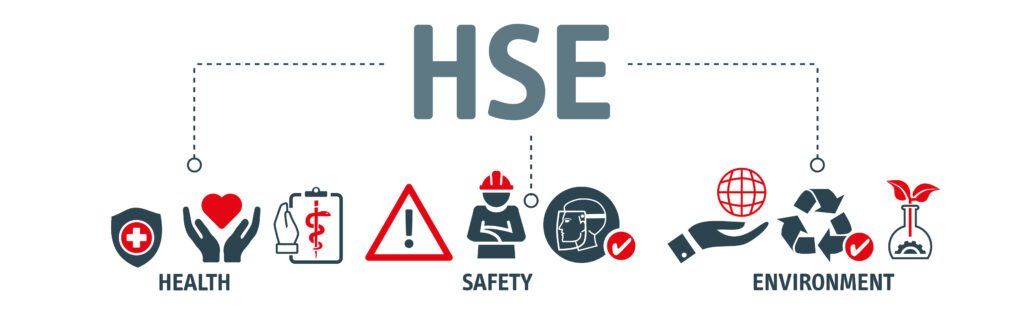
HSE stands for Health, Safety and Environment. An HSE audit examines the systems, procedures and workplace conditions that affect employee wellbeing, operational safety and environmental performance.
Depending on its scope, an audit may review documents, interview employees, inspect work areas and observe tasks in progress. It is more than a simple walk-through: the aim is to assess whether policies and controls are suitable, understood and consistently applied.
Why Is an HSE Audit Important?
A well-planned HSE audit can help an organisation:
- Identify hazards and weaknesses in existing controls.
- Check compliance with applicable laws, permits, standards and company procedures.
- Reduce the likelihood of workplace injuries, occupational illness and environmental incidents.
- Review emergency preparedness and response arrangements.
- Improve employee awareness and participation in HSE matters.
- Assign corrective actions and track them through to completion.
- Support continual improvement and responsible business operations.
Types of HSE Audits
Organisations may conduct different types of audits depending on their needs:
- Internal HSE audit: Conducted by the organisation’s own trained personnel to review systems and identify improvement opportunities.
- External HSE audit: Conducted by an independent auditor, client, consultant or other external party.
- Compliance audit: Focuses on applicable legal, regulatory, permit and contractual requirements.
- Management system audit: Reviews the implementation of an HSE management system, such as one aligned with ISO 45001 or ISO 14001.
- Site or operational audit: Concentrates on specific locations, activities, equipment or processes.
- Specialist audit: Examines a particular risk area, such as fire safety, electrical safety, hazardous substances, waste management or contractor safety.
Key Areas Covered in an HSE Audit
The audit scope should reflect the organisation’s activities and risk profile. Common areas include:
- Leadership and responsibilities: HSE policy, management commitment, roles and accountability.
- Risk assessment: Hazard identification, risk evaluation and implementation of controls.
- Training and competence: Induction, job-specific training, licences and competency records.
- Workplace conditions: Housekeeping, access and egress, lighting, ventilation, noise and ergonomics.
- Equipment and machinery: Safeguarding, inspection, maintenance and safe operating procedures.
- Personal protective equipment: Selection, availability, condition, use and training.
- Emergency preparedness: Fire prevention, alarms, evacuation plans, first aid and emergency drills.
- Incident management: Reporting, investigation, root-cause analysis and follow-up actions.
- Occupational health: Exposure controls, health monitoring where applicable, welfare facilities and wellbeing arrangements.
- Environmental management: Waste handling, emissions, wastewater, storage of chemicals, spill prevention and resource use.
- Contractor and visitor management: Induction, supervision, work permits and coordination of activities.
- Records and documentation: Risk assessments, inspection logs, training records, permits and action registers.
How to Conduct an HSE Audit
- Define the scope and objectives. Decide which locations, activities, departments and requirements will be reviewed.
- Plan the audit. Set the schedule, select competent auditors and prepare an audit plan and relevant checklists.
- Review documents. Examine policies, risk assessments, procedures, permits, training records, incident reports and previous audit findings.
- Inspect the workplace. Observe actual work practices and check equipment, storage areas, emergency arrangements and environmental controls.
- Speak with employees and contractors. Ask how tasks are performed, what hazards they encounter and whether procedures are clear and practical.
- Record evidence and findings. Document what was observed, the requirement or control involved, and the evidence supporting each finding.
- Assess the findings. Distinguish between effective practices, opportunities for improvement, non-conformities and urgent risks.
- Prepare the audit report. Summarise the scope, method, findings, risk significance and recommended actions.
- Assign and verify corrective actions. Give each action an owner and due date, then check that the solution has been implemented and is effective.
What Should an HSE Audit Checklist Include?
An audit checklist helps keep the review consistent, but it should not replace professional judgement or direct observation. A practical checklist may ask:
- Are hazards identified and risk assessments reviewed when work or conditions change?
- Are employees trained and competent for the tasks they perform?
- Are machine guards, electrical controls and safety devices in place and maintained?
- Are emergency exits clear and emergency equipment accessible?
- Are chemicals labelled, stored and handled safely?
- Are incidents, near misses and unsafe conditions reported and investigated?
- Are waste, emissions and effluent managed in accordance with applicable requirements?
- Are contractors briefed, supervised and included in relevant safety arrangements?
- Have actions from previous audits been completed and checked?
HSE Audit vs. Workplace Inspection
A workplace inspection usually focuses on visible conditions and specific hazards, such as blocked walkways, damaged equipment or missing guards. An HSE audit is generally broader. It assesses whether the organisation’s management systems, responsibilities, procedures and controls are suitable and effective, as well as checking workplace conditions.
Both activities are valuable: inspections help identify immediate hazards, while audits can reveal recurring or system-level causes.
How Often Should an HSE Audit Be Conducted?
There is no single schedule that suits every organisation. Audit frequency should consider the level of risk, legal and contractual requirements, changes in operations, incident trends and previous findings. Higher-risk activities may require more frequent reviews. Audits should also be considered after significant changes, serious incidents or repeated control failures.
In India, organisations should identify the laws, rules, permits and other requirements applicable to their location and activities. These may vary by industry and state. An audit can help review compliance, but it does not replace advice from a qualified legal or regulatory professional.
Making HSE Audits Effective
For an audit to lead to meaningful improvement, findings should be clear, evidence-based and proportionate to the risk. Auditors should remain objective, communicate respectfully and involve people who understand the work. Corrective actions should address underlying causes rather than only correcting the immediate problem.
Management should review audit trends over time. Repeated findings may indicate that a procedure is impractical, training is insufficient, equipment is unsuitable or responsibilities are unclear. Tracking actions to closure—and checking whether controls continue to work—is essential.
Conclusion
An HSE audit is an important tool for understanding how effectively an organisation manages health, safety and environmental risks. By combining document review, workplace observation and employee input, organisations can identify weaknesses, strengthen controls and support a safer, healthier and more environmentally responsible workplace.
8 Essential Tips for an Effective HSE Audit
- Review HSE policies before the audit.
- Check that risk assessments are up to date.
- Inspect equipment, tools and work areas.
- Verify PPE is available and used correctly.
- Review training and competency records.
- Check incident reports and follow-up actions.
- Speak with workers about safety concerns.
- Record findings and assign clear corrective actions.
Review HSE policies before the audit.
Before an HSE audit, review your organisation’s health, safety and environmental policies to ensure they are current, approved and relevant to your operations. Check that responsibilities, procedures and controls are clearly documented and reflect applicable requirements and any recent changes in the workplace. Make sure employees know where to find the policies and understand how they apply to their tasks. Address outdated or inconsistent information before the audit, and keep the latest approved documents readily available for the auditor.
Check that risk assessments are up to date.
During an HSE audit, check that risk assessments are current, complete and relevant to the work being carried out. They should reflect changes in equipment, processes, materials, staffing or workplace conditions, and include input from employees who understand the tasks. Confirm that identified hazards have suitable controls, that responsibilities are clear and that the controls are communicated to workers. Outdated or incomplete assessments can leave new risks unmanaged, so review them regularly and whenever significant changes or incidents occur.
Inspect equipment, tools and work areas.
Inspect equipment, tools and work areas carefully during an HSE audit to identify hazards such as damaged machinery, missing guards, faulty electrical connections, defective tools, poor housekeeping and blocked emergency exits. Check that equipment is suitable for the task, properly maintained and used according to safe work procedures. Speak with employees about any issues they have noticed, record your findings and prioritise corrective actions based on the level of risk. Regular inspections help prevent incidents and support a safer, healthier workplace.
Verify PPE is available and used correctly.
During an HSE audit, verify that the personal protective equipment (PPE) required for each task is available, suitable for the hazards identified and in good condition. Check that employees know how to wear, adjust, maintain and store it correctly, and observe whether it is being used consistently in the workplace. Any gaps—such as damaged, missing or unsuitable PPE, or incorrect use—should be recorded and addressed through replacement, training or improved supervision.
Review training and competency records.
Reviewing training and competency records is an important part of an HSE audit. Check that employees and contractors have completed the training required for their roles, such as safety induction, equipment operation, emergency response and task-specific procedures. Confirm that certificates and refresher training are current, and that workers can demonstrate the skills needed to perform their duties safely. Any gaps should be recorded, assigned for action and followed up to ensure the right training is provided.
Check incident reports and follow-up actions.
Check Incident Reports and Follow-up Actions
During an HSE audit, review incident, injury and near-miss reports to identify recurring hazards, trends and potential gaps in safety controls. Check that each incident was investigated appropriately, the root cause was considered and corrective actions were assigned to responsible persons with clear deadlines. Verify that actions have been completed and are effective, rather than simply marked as closed. This helps ensure lessons are applied across the workplace and similar incidents are less likely to happen again.
Speak with workers about safety concerns.
Speak with workers during an HSE audit to understand the safety concerns they experience in their day-to-day work. Ask open-ended questions about hazards, near misses, equipment, procedures and training, and listen without blame or interruption. Workers often notice practical risks that may not appear in documents or inspection records. Their feedback can help auditors identify gaps, recommend realistic improvements and encourage a stronger culture of safety across the organisation.
Record findings and assign clear corrective actions.
Record each HSE audit finding clearly, including the location, evidence observed and the risk involved. Assign every corrective action to a responsible person, set a realistic completion date and define what will count as successful completion. Prioritise urgent risks, then follow up to confirm that actions have been completed and the controls are working effectively. Clear records and accountability help prevent findings from being overlooked or recurring.