GST Fire Alarm Panel: A Key Part of a Reliable Fire Safety System
A fire alarm panel is the central control unit of a fire detection system. It receives signals from connected devices, such as smoke detectors, heat detectors and manual call points, and indicates when an alarm or fault has been detected. A GST fire alarm panel can be used as part of a suitably designed fire safety system for buildings such as offices, hotels, hospitals, schools, factories and commercial premises.
The right panel depends on the building’s size, layout, occupancy, fire risk and applicable regulations. A fire alarm system should always be designed, installed, tested and maintained by qualified professionals.
What Does a GST Fire Alarm Panel Do?
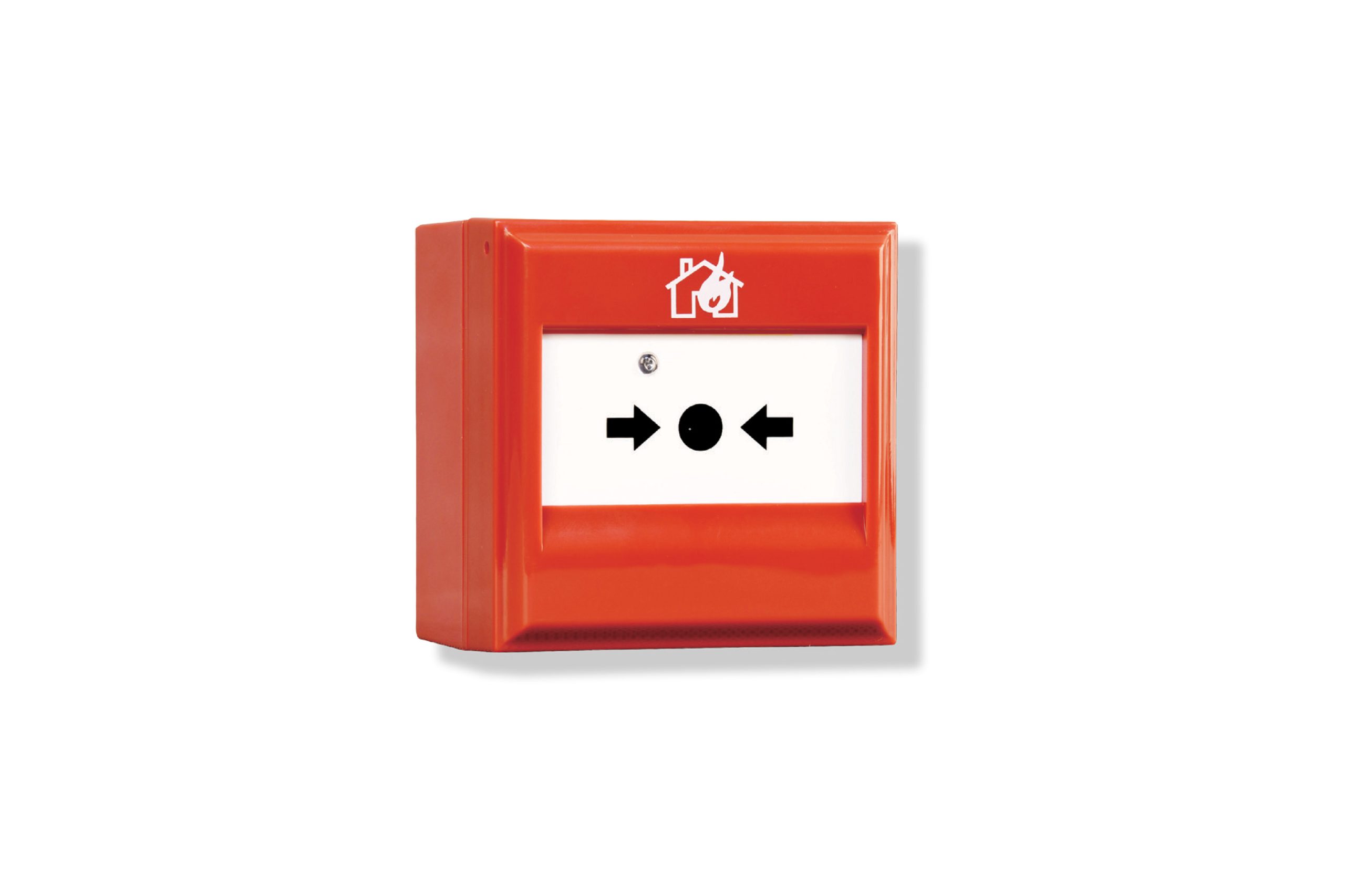
The panel monitors the devices connected to the fire alarm system and provides information about their status. When a detector or manual call point is activated, the panel processes the signal and gives an audible and visual indication. Depending on the system design, it may also operate sounders, beacons and other approved fire safety equipment.
The panel can also indicate system faults, such as a wiring issue, power problem or device communication failure. Identifying these conditions promptly helps maintenance teams investigate and restore the system to normal operation.
Conventional and Addressable Panels
Fire alarm panels are commonly available in conventional and addressable configurations. The suitable type depends on the project requirements and the specific GST model selected.
- Conventional systems: Devices are arranged in zones. If an alarm occurs, the panel identifies the zone in which it originated, helping responders narrow down the affected area.
- Addressable systems: Each compatible device has an individual address. The panel can identify the specific device reporting an alarm or fault, which can make locating an incident easier in larger or more complex buildings.
Always check the product documentation to confirm the panel type, compatible devices, supported capacity and system features. Do not assume that devices from different systems or manufacturers will work together.
Common Features to Consider
Features vary between GST fire alarm panel models. When assessing a panel for a project, consider the following:
- Number of zones, loops or devices supported
- Compatibility with detectors, call points, sounders and other system components
- Alarm, fault and system status indications
- Primary and standby power requirements
- Event indication, logging or display options, where available
- Approved output connections for other fire safety equipment
- Installation, testing and maintenance requirements
These details should be verified against the exact model’s technical documentation and the requirements of the building. A panel should not be selected on price or brand name alone.
Choosing the Right Panel for Your Building
Before selecting a GST fire alarm panel, a competent fire safety professional should assess the premises. The design should take into account the building’s floor area, number of occupants, room use, escape routes, environmental conditions and any relevant local requirements. The location of the panel should also allow authorised personnel to access and understand its indications.
For larger sites, a system may need multiple zones or addressable devices to help identify the location of an alarm quickly. In smaller premises, a simpler design may be appropriate, provided it meets the project’s safety and compliance requirements.
Installation and Maintenance
Correct installation is essential to the performance of a fire alarm system. Wiring, device positioning, configuration and commissioning should follow the manufacturer’s instructions and the approved design. After installation, the complete system should be tested, and responsible building personnel should be shown how to respond to alarms and faults.
Routine inspection and maintenance help keep the panel and connected devices in working order. Testing should be carried out by qualified personnel in line with the manufacturer’s guidance and applicable fire safety requirements. Any fault indication should be investigated promptly; it should not be ignored or treated as a normal condition.
Why Professional Guidance Matters
A fire alarm panel is only one part of a complete fire detection and warning system. Its effectiveness depends on suitable detectors, correct positioning, reliable power, properly configured outputs and a clear emergency response plan. Professional guidance helps ensure that the selected GST panel is compatible with the system and appropriate for the building.
Conclusion
A GST fire alarm panel can serve as the control centre of a fire alarm installation, monitoring connected devices and reporting alarms or faults. The best choice depends on the site, system design and exact product specifications. Consult the manufacturer’s documentation and work with qualified fire safety professionals to select, install and maintain a system suitable for the premises.
7 Essential Tips for Safe Operation and Maintenance of Your GST Fire Alarm Panel
- Keep the GST fire alarm panel accessible and clearly labelled.
- Check the panel display and indicators daily.
- Investigate faults promptly; do not ignore beeping alerts.
- Test detectors and call points as per the maintenance schedule.
- Keep the panel door closed and protect it from dust and moisture.
- Only trained staff should silence, reset or isolate zones.
- Record inspections, tests and faults in the fire safety log.
Keep the GST fire alarm panel accessible and clearly labelled.
Keep the GST fire alarm panel accessible and clearly labelled so authorised staff and emergency responders can locate it quickly during an incident. Avoid placing furniture, equipment or stored items in front of the panel, and ensure its labels and indicators are easy to read. The panel should remain in a suitable location in line with the manufacturer’s instructions and applicable fire safety requirements.
Check the panel display and indicators daily.
Check the GST fire alarm panel’s display and indicators daily to confirm that the system is showing its normal status and that no alarm, fault or disabled-point warning is present. If an unusual indication appears, follow the site’s fire safety procedure and contact a qualified service professional promptly; do not silence, reset or disable the system unless authorised and it is safe to do so.
Investigate faults promptly; do not ignore beeping alerts.
If a GST fire alarm panel displays a fault or starts beeping, investigate it promptly rather than ignoring or silencing the alert without checking the cause. The sound may indicate a wiring issue, power problem or fault with a connected device, which could affect the system’s ability to detect and report a fire. Follow the panel’s instructions and contact a qualified fire alarm technician to identify and resolve the issue.
Test detectors and call points as per the maintenance schedule.
Test smoke and heat detectors, along with manual call points, according to the fire alarm system’s maintenance schedule and the manufacturer’s instructions. Regular testing helps confirm that devices can communicate correctly with the GST fire alarm panel and that alarms are indicated as expected. Testing should be carried out by trained personnel, with appropriate precautions to avoid unnecessary disruption, and any faults should be recorded and rectified promptly.
Keep the panel door closed and protect it from dust and moisture.
Keep the GST fire alarm panel door closed when it is not being accessed, as this helps prevent unauthorised interference and keeps dust and moisture away from its internal components. Install the panel in a clean, dry location, and avoid placing it where it may be exposed to leaks, dampness or excessive dust. If the panel or its surroundings become wet or unusually dirty, have it inspected by a qualified technician before cleaning or using it.
Only trained staff should silence, reset or isolate zones.
Only trained and authorised staff should silence, reset or isolate a GST fire alarm panel or any of its zones. Before taking action, they should follow the site’s fire safety procedure and check that the cause of the alarm has been investigated and it is safe to proceed. An isolated zone may no longer provide fire detection, so the isolation must be recorded, communicated to the responsible person and restored as soon as possible. Never silence or reset an alarm simply to stop the sound without first confirming the situation.
Record inspections, tests and faults in the fire safety log.
Keep a clear, up-to-date fire safety log for the GST fire alarm panel. Record routine inspections, tests, alarm activations, faults and any repairs, noting the date, findings and action taken. This helps track the system’s condition, spot recurring issues and provide useful information to maintenance professionals. Follow the manufacturer’s instructions and applicable fire safety requirements, and report faults promptly rather than leaving them unresolved.