GST Fire Alarm System: A Guide to Reliable Fire Detection
A fire alarm system is an important part of protecting people, property and business operations. A GST fire alarm system is designed to detect signs of fire, such as smoke or heat, and alert occupants so that they can respond promptly. Depending on the building and the system selected, it may also notify a control room or activate other fire-safety equipment.
GST is a brand associated with fire detection and alarm equipment. The right system for a site depends on its size, layout, occupancy, fire risk and applicable local requirements. This guide explains the main parts of a GST fire alarm system and what to consider when planning, installing and maintaining one.
What is a GST fire alarm system?
A GST fire alarm system is a collection of connected devices that monitors a building for potential fire conditions. When a detector or manual call point is activated, the fire alarm control panel receives the signal and operates the programmed alarms and outputs.
Depending on the model and configuration, a system may include smoke or heat detectors, manual call points, sounders, visual alarm devices, input/output modules and a fire alarm control panel. The exact equipment and features vary, so product specifications should be checked before selection.
Key components
- Fire alarm control panel: The central unit that monitors connected devices, displays system events and manages alarm outputs.
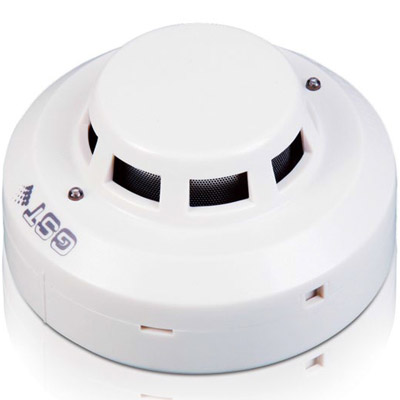
- Smoke detectors: Devices that respond to smoke particles. Their suitability and placement depend on the room environment and the risk being addressed.
- Heat detectors: Devices that respond to a rise in temperature or a preset temperature threshold. They may be appropriate in locations where smoke detectors could produce unwanted alarms.
- Manual call points: Devices that allow a person to raise the alarm manually after noticing a fire.
- Sounders and visual alarm devices: Equipment that alerts occupants through audible and, where required, visual signals.
- Modules and interfaces: Components that can connect the fire alarm system with other approved building systems, where the design and equipment support this function.
- Power supply and standby batteries: These help keep the system operational during a mains power interruption, subject to the system design and battery condition.
Conventional and addressable systems
Fire alarm systems are commonly arranged as conventional or addressable systems. The appropriate option depends on the building and the required level of device identification.
Conventional systems
In a conventional system, devices are connected in zones. When an alarm occurs, the panel identifies the affected zone, but may not show the exact detector that operated. This arrangement can suit smaller or less complex premises, depending on the design.
Addressable systems
An addressable system assigns an identity to each device. When a device activates, the panel can show its location or device address, which can help staff and responders investigate the alarm more quickly. Addressable systems are often considered for larger or more complex buildings, but the final choice should be made through a proper site assessment.
GST product ranges may include different system types and configurations. Always confirm compatibility between the panel, detectors, modules and other devices using the manufacturer’s documentation and advice from a qualified fire alarm professional.
Benefits of a well-designed fire alarm system
- Provides early warning of a possible fire, allowing occupants to follow the evacuation plan.
- Helps staff identify the location or zone where an alarm has been raised.
- Can be designed to suit different building types, from offices and shops to industrial premises.
- May support integration with other fire-safety or building systems when permitted by the design and relevant standards.
- Supports a more organised response when combined with trained personnel, clear signage and regular fire drills.
Choosing a GST fire alarm system in India
Before purchasing a system, consider the following points:
- Building use and occupancy: The needs of a hospital, warehouse, school, office and residential building can differ considerably.
- Site layout and size: Floor area, number of floors, partitions and escape routes affect detector placement and system design.
- Environmental conditions: Dust, steam, cooking fumes, temperature and airflow can influence the choice and location of detectors.
- System type and capacity: Select a conventional or addressable arrangement based on the project requirements and future expansion plans.
- Compatibility: Confirm that all devices are compatible with the selected GST control panel and approved for the intended application.
- Compliance: The design, installation and commissioning should meet applicable Indian regulations, local fire authority requirements and relevant standards. Obtain guidance from a qualified fire-safety consultant or authorised professional.
- Support and spares: Check the availability of technical support, replacement devices and servicing in your area.
Installation and commissioning
A fire alarm system should be designed and installed by competent professionals. Detector positions, cable routes, device spacing, alarm audibility and panel location should be planned for the specific site rather than selected solely on the basis of a generic layout.
After installation, the system should be tested and commissioned. This process typically includes checking devices, circuits, alarm indications, power supplies and any approved interfaces. The building owner or responsible person should receive relevant system documents, operating instructions and training.
Maintenance and testing
Regular inspection and testing are essential to keep a fire alarm system dependable. Maintenance should follow the manufacturer’s instructions and applicable requirements. A suitable maintenance programme may include:
- Checking the control panel for faults, disabled devices or warning indicators.
- Testing detectors, manual call points, sounders and visual alarm devices as scheduled.
- Inspecting standby batteries and confirming that the power supply is functioning correctly.
- Keeping devices clear of dust, paint, obstructions and unauthorised modifications.
- Recording inspections, tests, faults and repairs in a maintenance log.
- Ensuring staff know how to respond to alarms and report system faults.
Testing should be planned to minimise disruption and should be carried out by trained personnel. Any fault or repeated unwanted alarm should be investigated promptly rather than ignored or routinely bypassed.
Conclusion
A GST fire alarm system can form an important part of a building’s fire-safety strategy when it is correctly selected, installed, commissioned and maintained. The best solution is one designed for the actual site, compatible with its equipment and compliant with applicable requirements. For a new installation or upgrade, consult a qualified fire-alarm professional and verify product details with the manufacturer or authorised supplier.
6 Key Benefits of GST Fire Alarm Systems
- Provides early warning of fire.
- Helps occupants evacuate promptly.
- Offers conventional and addressable options.
- Can identify alarm zones or devices.
- Supports integration with compatible safety systems.
- Can be tailored to different building needs.
Key Drawbacks of the GST Fire Alarm System
- Installation may require trained professionals.
- System cost can rise with building size and device count.
- Regular testing and maintenance are essential.
- Compatibility with existing equipment should be verified.
Provides early warning of fire.
A key advantage of a GST fire alarm system is that it can provide early warning when smoke or heat is detected. By alerting occupants promptly through sounders and visual alarm devices, it gives them more time to follow the building’s evacuation plan and contact emergency services. Early warning can help reduce the risk of injury and limit damage, provided the system is correctly designed, installed, tested and maintained.
Helps occupants evacuate promptly.
A GST fire alarm system can help occupants evacuate promptly by providing an early warning when smoke or heat is detected. Audible sounders and visual alarm devices alert people across the building, giving them time to follow marked escape routes and reach a safe assembly point. When the system is properly designed, installed and maintained, it can support a quicker, more orderly response during a fire emergency.
Offers conventional and addressable options.
A key advantage of a GST fire alarm system is the availability of both conventional and addressable options. Conventional systems can be suitable for smaller or simpler premises, identifying the zone where an alarm has been triggered. Addressable systems can identify the individual device in alarm, which may help staff locate the event more quickly in larger or more complex buildings. This choice makes it easier to select a system that suits the site’s layout, operational needs and plans for future expansion.
Can identify alarm zones or devices.
A key advantage of a GST fire alarm system is its ability to identify the zone or individual device that has triggered an alarm, depending on the system type and configuration. This helps staff quickly locate the affected area, investigate the situation and guide occupants or emergency responders. In an addressable system, the control panel can display the specific device location, while a conventional system generally indicates the zone where the alarm originated, supporting a faster and more organised response.
Supports integration with compatible safety systems.
A key advantage of a GST fire alarm system is its ability to support integration with compatible safety systems, depending on the equipment and system design. This can help coordinate fire alarms with approved devices such as emergency notification equipment or other building-safety interfaces, enabling a more organised response when an alarm is triggered. Integration should always be planned and tested by a qualified professional to ensure compatibility and compliance with applicable requirements.
Can be tailored to different building needs.
A GST fire alarm system can be tailored to suit the needs of different buildings, including offices, shops, schools, warehouses and residential premises. The system’s configuration can be planned according to the building’s size, layout, occupancy and fire risks, with suitable detectors, manual call points and alarm devices selected for each area. This helps create a fire-safety solution that is appropriate for the site rather than relying on a one-size-fits-all arrangement.
Installation may require trained professionals.
One potential drawback of a GST fire alarm system is that installation may require trained professionals. Devices must be selected, positioned, connected and configured correctly to ensure reliable detection and alarm operation. This can add to the project’s cost and make installation more involved than a simple do-it-yourself setup. Using a qualified installer also helps ensure the system is tested, commissioned and maintained in line with the manufacturer’s guidance and applicable local requirements.
System cost can rise with building size and device count.
One drawback of a GST fire alarm system is that the overall cost can increase as the building becomes larger and more devices are required. Additional detectors, manual call points, sounders, modules, cabling and control panel capacity may all add to the initial installation expense. Larger premises may also require more planning, installation work and ongoing maintenance, so it is important to assess the site’s needs and budget before selecting a system.
Regular testing and maintenance are essential.
One consideration with a GST fire alarm system is that it requires regular testing and maintenance to remain dependable. Detectors, manual call points, sounders, batteries and the control panel should be checked according to the manufacturer’s instructions and applicable requirements. This involves ongoing time and cost, and may require trained technicians. If inspections are missed or faults are not addressed promptly, the system may not operate as expected during an emergency.
Compatibility with existing equipment should be verified.
One potential drawback of a GST fire alarm system is that it may not be compatible with a building’s existing fire-safety equipment. Detectors, control panels, modules and other devices from different systems may use different technologies or communication protocols, so they cannot always be connected or work reliably together. Compatibility should be checked against the manufacturer’s specifications by a qualified fire-alarm professional before purchase or installation. This may require replacing some existing equipment, adding interface devices or carrying out additional testing, which can increase the project’s cost and complexity.