Conventional Smoke Detectors: How They Work and Where They Are Used
A conventional smoke detector is an essential part of a fire detection system. It senses smoke from a developing fire and sends a signal to a fire alarm control panel, which can then activate audible and visual alarms. These detectors are commonly used in homes, offices, shops, schools and other buildings where an early warning can help people respond quickly.
What Is a Conventional Smoke Detector?
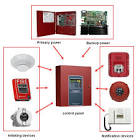
In a conventional fire alarm system, detectors are connected to the control panel in groups known as zones. If a detector senses smoke, the panel indicates that there is an alarm in that zone. It generally does not identify the exact detector that has activated. For example, an alarm may show “First Floor – Zone 2”, requiring staff or responders to check that area to locate the source.
This is different from an addressable system, in which each detector has a unique address and the panel can display its individual location.
How Does It Detect Smoke?
Most conventional smoke detectors use one of two sensing methods:
- Optical (photoelectric) detection: A light source and sensor are arranged inside a sensing chamber. When smoke enters, it scatters light towards the sensor, triggering an alarm. Optical detectors are often effective at detecting smoke from slow, smouldering fires.
- Ionisation detection: A small electric current flows through a sensing chamber. Smoke entering the chamber disrupts this current and triggers an alarm. Ionisation detectors can respond quickly to some fast-flaming fires. Their availability and suitability may vary, so product guidance and local requirements should be checked.
Some detectors combine sensing technologies or include additional features. The right type depends on the building, the expected fire risks and the manufacturer’s recommendations.
Key Components
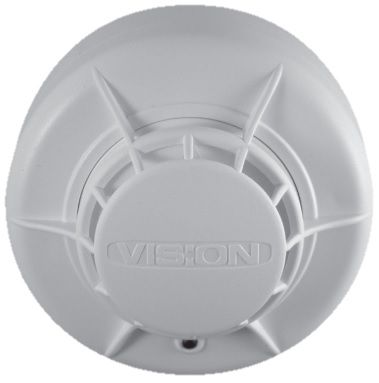
A typical conventional smoke detector may include a smoke-sensing chamber, electronic circuitry, a status indicator and terminals for connection to the fire alarm circuit. Many models also provide a facility for remote testing or an output for a remote indicator. Depending on the system design, the detector may be powered by the fire alarm panel or by a separate battery.
Where Are Conventional Smoke Detectors Used?
Conventional systems can be a practical choice for smaller or simpler premises where dividing the building into clearly defined zones is sufficient. They may be used in offices, small commercial buildings, residential premises and other facilities, subject to the building’s fire strategy and applicable requirements.
Detector placement is important. Smoke detectors should be positioned according to the manufacturer’s instructions and the design of the fire alarm system. Kitchens, bathrooms, dusty areas and locations exposed to steam or strong air currents may cause unwanted alarms or affect performance. These areas may require a different detector type or a carefully selected location.
Benefits and Limitations
Benefits
- Provides early warning of smoke and potential fire.
- Can be a straightforward and economical option for smaller premises.
- Uses zone-based indication to help responders narrow down the alarm location.
- Can be integrated with other compatible fire alarm devices, depending on the system design.
Limitations
- The panel usually identifies the zone, not the exact detector.
- Large buildings may need many zones, which can make locating an alarm source slower.
- Incorrect placement or unsuitable detector selection can lead to false alarms or delayed detection.
- Detectors and the connected system need regular inspection, testing and maintenance.
Installation and Maintenance
Smoke detectors should be selected and installed by competent fire alarm professionals as part of a properly designed system. The design should take account of the building layout, occupancy, fire risks, evacuation arrangements and the requirements of the local authority and relevant Indian standards. In India, IS 2189 is among the standards associated with the selection, installation and maintenance of automatic fire detection and alarm systems; the applicable edition and project requirements should be confirmed by a qualified professional.
Routine care is also important. Follow the manufacturer’s instructions and the building’s maintenance plan to test the system, check for damage or obstruction, clean detectors where permitted, and investigate faults or repeated unwanted alarms. Do not paint over a detector or cover it. A detector that is damaged, contaminated or past its recommended service life should be assessed and replaced as required.
Choosing the Right Smoke Detector
When choosing a conventional smoke detector, consider the sensing technology, compatibility with the fire alarm panel, environmental conditions, required approvals and ease of maintenance. Most importantly, ensure that the detector forms part of a complete fire safety plan that includes alarms, escape routes, staff or occupant awareness and regular system checks.
A conventional smoke detector cannot prevent a fire, but when correctly selected, installed and maintained, it can provide a valuable early warning and support a faster, safer response.
6 Key Benefits of Conventional Smoke Detectors
- Provides early warning of smoke and potential fire.
- Simple zone-based system for smaller premises.
- Generally cost-effective to install.
- Easy to integrate with compatible alarm panels.
- Helps occupants begin evacuation promptly.
- Routine testing and maintenance are straightforward.
5 Limitations of Conventional Smoke Detectors
- Identifies the alarm zone, not the exact detector.
- Locating the source can take longer in large buildings.
- May trigger false alarms from dust, steam or cooking fumes.
- Requires regular inspection, testing and maintenance.
- May be less suitable for complex or expanding premises.
Provides early warning of smoke and potential fire.
A conventional smoke detector can provide an early warning when smoke from a potential fire is detected. It sends a signal to the fire alarm control panel, which activates the alarm and alerts people in the building. This extra time can help occupants begin evacuation, follow emergency procedures and contact the fire services before the situation becomes more serious.
Simple zone-based system for smaller premises.
A conventional smoke detector system uses clearly defined zones, making it a simple and practical choice for smaller premises. If a detector senses smoke, the control panel identifies the affected zone, helping occupants or responders narrow down the area and investigate promptly. With fewer zones to manage, the system is generally straightforward to understand and operate.
Generally cost-effective to install.
Conventional smoke detectors are generally cost-effective to install, making them a practical option for smaller buildings and premises with straightforward layouts. Their zone-based design can keep initial equipment and installation costs lower than more complex systems, while still providing reliable smoke detection and early warning. Actual costs depend on the building, system design and applicable safety requirements.
Easy to integrate with compatible alarm panels.
Conventional smoke detectors are easy to integrate with compatible fire alarm panels, making them a practical choice for many building safety systems. Once connected, detectors are grouped into zones, allowing the panel to indicate the area where smoke has been detected. This straightforward arrangement can simplify installation and help building occupants or responders identify where to investigate, provided the detectors and panel are correctly matched and installed by a qualified professional.
Helps occupants begin evacuation promptly.
A conventional smoke detector can alert occupants to the presence of smoke at an early stage, giving them valuable time to begin evacuating promptly. When connected to a fire alarm system, it can activate audible and visual warnings to help people recognise the danger, follow the designated escape routes and move to a safe location.
Routine testing and maintenance are straightforward.
Routine testing and maintenance of conventional smoke detectors are straightforward when carried out in line with the manufacturer’s instructions and the fire alarm system’s maintenance plan. Regular checks can help confirm that detectors, zone indicators and alarms are working correctly, while cleaning and inspection can identify dust, damage or other issues that may affect performance. This simple, planned upkeep supports reliable operation and helps building owners address faults before they compromise fire safety.
Identifies the alarm zone, not the exact detector.
A key limitation of a conventional smoke detector system is that the control panel usually identifies only the zone in which an alarm has been triggered, rather than the exact detector. Staff or emergency responders may need to search the area to find the source, which can take additional time—particularly in large buildings or zones covering several rooms. Clearly planned zones and accurate site records can help make the search quicker.
Locating the source can take longer in large buildings.
In large buildings, a conventional smoke alarm panel usually identifies the zone where smoke has been detected, rather than the exact detector. Staff may need to check several rooms or areas within that zone to find the source, which can take longer and delay the response. Clear zone labelling, accurate building plans and regular staff training can help speed up investigation.
May trigger false alarms from dust, steam or cooking fumes.
Conventional smoke detectors may sometimes trigger false alarms when dust, steam or cooking fumes enter the sensing chamber and are mistaken for smoke. This can be inconvenient and may disrupt normal activities, particularly if detectors are installed too close to kitchens, bathrooms or dusty work areas. Correct placement, regular cleaning as recommended by the manufacturer and choosing a detector suited to the environment can help reduce unwanted alarms.
Requires regular inspection, testing and maintenance.
Conventional smoke detectors require regular inspection, testing and maintenance to ensure they work reliably when needed. Dust, insects, ageing components or other environmental conditions can affect their performance and may lead to missed alarms or false alerts. Scheduled checks by a qualified professional, along with testing in line with the manufacturer’s instructions, help identify faults early and keep the detector and fire alarm system in proper working condition.
May be less suitable for complex or expanding premises.
Conventional smoke detectors may be less suitable for complex or expanding premises because they identify an alarm by zone rather than pinpointing the individual detector. In large or multi-storey buildings, this can make it harder and slower to locate the source of an alarm. As the premises grow, adding zones and updating the system may also increase wiring and maintenance requirements. An addressable fire alarm system may be a better option where precise device identification and greater flexibility are important.