
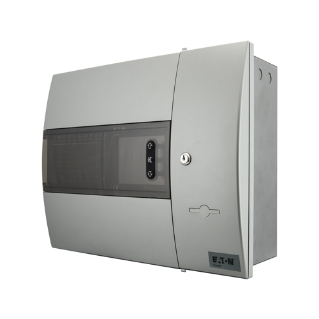
Cooper Fire Alarm System: A Guide to Reliable Fire Detection
A fire alarm system plays an important role in protecting people, property and business operations. Cooper fire alarm systems are designed to detect signs of fire and alert occupants, allowing them to respond promptly. The Cooper Fire brand is part of Eaton, a global power management company. Depending on the product range and site requirements, Cooper systems can be used in settings such as offices, shops, schools, hotels, warehouses and residential buildings.
This guide explains how a Cooper fire alarm system works, what its main components do and what to consider when selecting and maintaining a system in India.
What is a Cooper fire alarm system?
A Cooper fire alarm system is a collection of devices that monitors a building for indications of fire, such as smoke, heat or manual activation. When a device detects a potential fire, it communicates with the fire alarm control panel. The panel processes the signal and activates suitable notification devices, such as sounders, bells or visual indicators.
The exact features vary by model and configuration. Some systems are designed for smaller premises, while others can be configured for larger buildings with multiple detection areas and additional interfaces.
Main components
- Fire alarm control panel: The central unit that receives and displays signals from detectors and call points. It may also supervise connected circuits and indicate faults.
- Smoke detectors: Detect smoke particles and are commonly installed in areas where smoke is likely to provide early warning.
- Heat detectors: Respond to a rise in temperature or a fixed temperature threshold. They may be suitable for areas where smoke detectors could trigger unwanted alarms, subject to the system design.
- Manual call points: Allow a person to raise the alarm manually after discovering a fire.
- Sounders and visual indicators: Alert occupants through audible and, where required, visual signals.
- Power supply and standby batteries: Keep the system operating during a mains power interruption, as specified for the selected system.
- Interfaces and modules: Where supported and correctly designed, these can connect the fire alarm system with other building services, such as door-release equipment or ventilation controls.
Conventional and addressable systems
Fire alarm systems are generally described as conventional or addressable. The right choice depends on the size and layout of the building, the required level of information and the applicable design standards.
Conventional systems
A conventional system divides a building into zones. When an alarm occurs, the control panel identifies the zone where the signal originated. This can be a practical option for smaller or straightforward premises, although it may not identify the exact detector or call point without further investigation.
Addressable systems
An addressable system identifies individual devices on the system, helping staff or responders locate the source of an alarm more precisely. It may be suitable for larger or more complex buildings. The capabilities available depend on the specific Cooper Fire panel and devices selected.
Not every Cooper product range offers the same features. Confirm the system type, compatibility and available functions with an authorised supplier before planning a project.
Potential benefits
- Early warning: Suitable detectors can provide an alert when smoke or heat is detected.
- Clearer alarm information: Depending on the system type, the control panel can help identify the affected zone or individual device.
- Expandable design: Some configurations can be planned to accommodate a building’s layout and operational needs.
- System supervision: The panel can indicate certain faults, helping maintenance teams investigate issues.
- Integration possibilities: Compatible interfaces may support coordination with other building systems, when included in the approved design.
These benefits depend on correct design, installation, commissioning and maintenance. A fire alarm system should not be selected on brand name alone.
Choosing a system for a building in India
Before choosing a Cooper fire alarm system, consider the building’s occupancy, size, layout, fire risks and evacuation arrangements. A qualified fire alarm professional should assess the site and recommend detector locations, system type, notification coverage and any required interfaces.
Ensure the proposed equipment is suitable for the project and that the installation complies with applicable Indian requirements. These may include the National Building Code of India, relevant Indian Standards such as IS 2189, local fire service requirements and any conditions imposed by the authority having jurisdiction. Requirements can vary by building type, location and project approval, so confirm them with the relevant professionals and authorities.
Also check product documentation, compatibility between devices, warranty terms, availability of spares and access to trained service support. Where a project specifies particular certifications or approvals, verify these for the exact models being offered rather than assuming they apply to every product in a brand’s range.
Installation and commissioning
Fire alarm equipment should be installed by trained professionals in accordance with the approved drawings, manufacturer instructions and applicable codes. After installation, the system should be commissioned and tested to confirm that detectors, call points, sounders, indicators, panel functions and standby power operate as intended.
Building staff should also be shown how to recognise alarm and fault indications, follow the site’s emergency procedure and report any damage or unusual system behaviour. The fire alarm system supports an overall fire-safety plan; it does not replace evacuation planning, staff training or other required protective measures.
Maintenance and testing
Regular inspection and maintenance help keep a fire alarm system dependable. The maintenance schedule should follow the manufacturer’s instructions, applicable standards and local requirements. It should be carried out by competent personnel and recorded in a system logbook.
Maintenance may include checking the control panel for alarm or fault indications, testing devices, inspecting wiring and power supplies, confirming that notification devices can be heard or seen where required, and replacing batteries or components when necessary. Any device that has been isolated or taken out of service should be managed carefully, with appropriate temporary safety measures in place.
Frequently asked questions
Is a Cooper fire alarm system suitable for every building?
Not necessarily. Suitability depends on the building’s size, use, fire risks, layout and compliance requirements. A site assessment is needed to determine the appropriate system and configuration.
Can Cooper systems be connected to other building equipment?
Some configurations may support interfaces with other equipment. Compatibility and permitted functions depend on the specific control panel, modules and approved system design. Confirm these details before installation.
How often should the system be tested?
Testing and maintenance frequency should follow the applicable standards, local authority requirements, manufacturer instructions and the building’s maintenance plan. A qualified service provider can advise on the schedule for the site.
Conclusion
A Cooper fire alarm system can form part of a well-planned fire safety strategy when the equipment is suitable for the premises and is correctly installed, commissioned and maintained. For projects in India, consult a qualified fire alarm professional, verify the specifications of the exact Cooper products proposed and confirm compliance with applicable Indian standards and local requirements.
9 Essential Tips for Safe Use and Maintenance of Your Cooper Fire Alarm System
- Have a qualified technician install and configure the Cooper fire alarm system.
- Follow the system manual and applicable Indian fire-safety regulations.
- Keep smoke and heat detectors clear of dust, paint, and obstructions.
- Test alarms and manual call points on the schedule recommended by the manufacturer.
- Arrange regular inspections and servicing by an authorised technician.
- Never silence, isolate, or disable a device unless authorised and necessary for maintenance.
- Check the control panel regularly for faults, warnings, or disabled zones.
- Keep batteries and backup power in good condition; replace them as specified.
- Train occupants on alarm sounds, evacuation routes, and assembly points.
Have a qualified technician install and configure the Cooper fire alarm system.
Have a qualified fire alarm technician install and configure your Cooper fire alarm system. Correct placement, wiring and programming help ensure that detectors, call points, sounders and the control panel work together as intended. A trained technician can also test and commission the system, check compatibility between components, and confirm that the installation meets applicable Indian standards and local requirements.
Follow the system manual and applicable Indian fire-safety regulations.
Always follow the manufacturer’s manual when installing, operating or maintaining a Cooper fire alarm system. Use qualified professionals for system design, commissioning and servicing, and ensure that the installation meets applicable Indian fire-safety regulations, relevant standards and local authority requirements. Regular inspections and properly recorded tests help keep the system ready to provide an alert when needed.
Keep smoke and heat detectors clear of dust, paint, and obstructions.
Keep smoke and heat detectors clear of dust, paint and obstructions to help them sense signs of fire effectively. Dust can affect a detector’s performance, while paint or objects placed nearby may interfere with its operation. Clean and inspect detectors according to the manufacturer’s instructions, and never cover, paint or disable them. If a detector appears damaged or continues to give a fault warning, contact a qualified fire alarm technician.
Test alarms and manual call points on the schedule recommended by the manufacturer.
Test the Cooper fire alarm system’s alarms and manual call points at the intervals recommended by the manufacturer and in line with applicable local requirements. Regular testing helps confirm that the devices operate correctly and that occupants can be alerted promptly in an emergency. Testing should be carried out by a competent person, with the results recorded and any faults addressed without delay. Inform building occupants before a test to prevent confusion, and follow the manufacturer’s instructions to avoid disrupting the system.
Arrange regular inspections and servicing by an authorised technician.
Arrange regular inspections and servicing of your Cooper fire alarm system through an authorised technician. Routine checks help identify faults, damaged devices, low batteries or other issues before they affect system performance. Follow the manufacturer’s guidance and applicable local requirements, and keep a record of all inspections, tests and repairs.
Never silence, isolate, or disable a device unless authorised and necessary for maintenance.
Never silence, isolate or disable a device on a Cooper fire alarm system unless you are authorised to do so and the action is necessary for maintenance or fault investigation. Disabling a detector, call point or alarm circuit can leave part of the premises without protection and delay warning in an emergency. Follow the site’s approved procedure, inform the responsible person, record the action and arrange for the device to be restored and tested as soon as possible.
Check the control panel regularly for faults, warnings, or disabled zones.
Check the Cooper fire alarm control panel regularly for fault or warning indicators and any disabled zones. These may point to a problem that needs attention or to parts of the system that are not providing protection. Follow the site’s fire safety procedures, record any alerts and arrange for a qualified technician to investigate and rectify them promptly. Do not reset, isolate or disable equipment unless authorised and in accordance with the manufacturer’s instructions.
Keep batteries and backup power in good condition; replace them as specified.
Keep the batteries and backup power supply of your Cooper fire alarm system in good condition to help ensure it continues working during a mains power failure. Arrange regular checks by a qualified technician and replace batteries at the intervals specified by the manufacturer, or sooner if they show signs of deterioration or a fault. Always use compatible replacements and record maintenance in the system logbook.
Train occupants on alarm sounds, evacuation routes, and assembly points.
Train all occupants to recognise the fire alarm sound and understand what action to take when it is activated. Explain the evacuation routes, show the location of staircases and exits, and identify the designated assembly point outside the building. Conduct regular evacuation drills so everyone, including new staff and visitors where appropriate, can respond calmly and leave the premises safely when the Cooper fire alarm system sounds.