
Fire Security System: Protecting People, Property and Business Continuity
A fire can spread quickly, putting lives, buildings and valuable assets at risk. A well-planned fire security system helps identify signs of fire early, alert people in the building and support a safe, orderly response. For homes, offices, factories, warehouses and public spaces, fire protection is an essential part of responsible building management.
What is a fire security system?
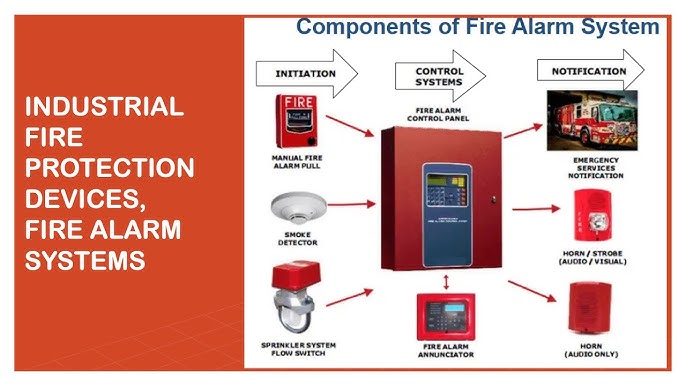
A fire security system is a set of connected devices and procedures designed to detect fire or smoke, raise an alarm and, where appropriate, help control or contain a fire. Depending on the building and its risks, a system may include fire detection, alarm, emergency communication and fire suppression equipment.
Key components of a fire security system
- Fire detectors: Smoke, heat or flame detectors identify possible signs of fire. The right type and placement depend on the room, its use and potential sources of heat, dust or fumes.
- Fire alarm control panel: The panel receives signals from detectors and manual call points, indicates the location or zone of an alarm and coordinates connected devices.
- Manual call points: These allow a person to raise the alarm after noticing a fire or other emergency.
- Audible and visual alarms: Sounders, bells, beacons and other notification devices alert occupants. Visual alerts can be particularly useful in noisy environments or for people who may not hear an audible alarm.
- Emergency communication: Public address or voice alarm systems can provide clear instructions to occupants during an emergency.
- Fire suppression equipment: Depending on the site and the materials present, protection may include portable extinguishers or fixed suppression systems. These should be selected and installed by qualified professionals.
- Supporting safety measures: Emergency lighting, exit signs, fire doors and unobstructed escape routes help people leave the building safely.
Why early detection matters
Early warning gives occupants more time to respond and evacuate. It can also help trained staff or emergency services act sooner. A properly designed system can provide clear information about where an alarm has been triggered, helping people respond without delay or confusion.
A fire alarm is only one part of fire safety. Staff and residents should know what the alarms mean, where the exits are and what to do when an alarm sounds. Fire drills and clear emergency procedures help turn equipment into an effective safety plan.
Choosing the right system
There is no single fire security system that suits every property. Before selecting equipment, consider:
- The size, layout and occupancy of the building
- The activities carried out in each area
- Potential fire hazards and the materials stored on site
- Environmental conditions, such as dust, moisture or high temperatures
- How alarms and alerts should reach occupants and responsible staff
- Integration with other building safety systems, where appropriate
- Inspection, maintenance and future expansion requirements
A qualified fire safety professional can assess the site and recommend a solution suited to its risks and operational needs. Equipment should be installed, tested and maintained in accordance with the manufacturer’s instructions and applicable Indian standards, building requirements and local fire authority regulations.
Installation, testing and maintenance
Even high-quality equipment may not perform as intended if it is poorly positioned, incorrectly configured or neglected. Regular inspection and testing help identify faults, damaged devices, blocked detectors or other issues. Maintenance should be carried out by competent personnel, with records kept as required.
Building managers should also ensure that staff understand alarm signals, evacuation routes and reporting procedures. Changes to the building—such as renovations, new partitions, altered occupancy or changes in how rooms are used—may affect the system and should prompt a review.
A complete approach to fire safety
An effective fire security system combines suitable equipment with good planning, trained people and clear emergency procedures. By assessing risks, choosing appropriate protection and maintaining it regularly, property owners and organisations can improve readiness and help protect lives and assets.
For any installation or upgrade, seek advice from qualified fire safety professionals and confirm that the proposed system meets the requirements applicable to your building and location.
Fire Safety Systems: 8 Frequently Asked Questions About Alarm Types and Classifications
- What are the 4 main types of fire alarm systems?
- What are L1, L2, L3, L4, L5 fire alarm systems?
- What are the 4 types of fire alarm systems?
- What is a fire security system?
- What is fire fire alarm system?
- What is a type 3 fire alarm system?
- What are the 5 types of fire alarm system?
- What are the 3 main types of fire alarms?
What are the 4 main types of fire alarm systems?
The four commonly recognised types of fire alarm systems are conventional, addressable, intelligent and wireless. A conventional system divides a building into zones, indicating the area where an alarm has been triggered; an addressable system identifies the specific detector or call point; an intelligent system analyses detector data to help distinguish a genuine fire from false alarms; and a wireless system connects devices by radio signals instead of cabling. The most suitable option depends on the building’s size, layout, fire risks and applicable safety requirements.
What are L1, L2, L3, L4, L5 fire alarm systems?
L1 to L5 are fire alarm system categories defined in the British standard BS 5839-1, and describe the extent of fire detection provided: L1 offers the most comprehensive coverage, with detectors throughout the building; L2 covers escape routes and specified high-risk areas; L3 protects escape routes and rooms opening onto them; L4 provides detection on escape routes only; and L5 is a customised system designed to meet particular fire safety objectives. These categories are not a substitute for a site-specific risk assessment, and requirements may differ under applicable Indian standards and local fire regulations, so consult a qualified fire safety professional when selecting a system.
What are the 4 types of fire alarm systems?
The four commonly used types of fire alarm systems are conventional, addressable, intelligent and wireless. A conventional system divides a building into zones and indicates the zone where an alarm has been triggered; an addressable system identifies the specific detector or call point; an intelligent system analyses signals from detectors to help distinguish a genuine fire from conditions such as dust or steam; and a wireless system connects devices by radio communication, which can make installation easier where cabling is difficult. The right option depends on the building’s size, layout, risks and applicable fire safety requirements.
What is a fire security system?
A fire security system is a combination of devices designed to detect signs of fire, alert building occupants and support a safe response. It may include smoke, heat or flame detectors, a fire alarm control panel, manual call points, audible and visual alarms, and, where suitable, fire suppression equipment. The system should be selected for the building’s layout and risks, installed by qualified professionals, and tested and maintained regularly.
What is fire fire alarm system?
A fire alarm system is a safety system that detects signs of fire, such as smoke or unusual heat, and alerts people in the building through sounders, bells or visual signals. It may include detectors, manual call points and a control panel, helping occupants respond promptly and evacuate safely.
What is a type 3 fire alarm system?
A Type 3 fire alarm system generally refers to an automatic detection system that protects escape routes, such as corridors and stairways, as well as rooms opening directly onto them, so occupants can receive an early warning and evacuate safely. The exact meaning of “Type 3” can vary between standards and jurisdictions, so the system should be specified and installed according to the fire safety requirements applicable to the building in India.
What are the 5 types of fire alarm system?
The five common types of fire alarm systems are conventional, addressable, intelligent, wireless and aspirating smoke detection systems. Conventional systems identify the affected zone, while addressable systems show the specific device that has triggered an alarm. Intelligent systems analyse detector information to help distinguish potential fires from false alarms; wireless systems connect devices without extensive cabling; and aspirating systems actively draw air through pipes to detect smoke, often at a very early stage. These categories can overlap, and the right choice depends on the building’s layout, use and fire-safety requirements.
What are the 3 main types of fire alarms?
The three main types of fire alarm systems are conventional, addressable and wireless. A conventional system divides a building into zones, helping identify the general area where an alarm has been triggered. An addressable system identifies the specific detector or device that has activated, which can make it easier to locate an incident in larger or more complex buildings. A wireless system connects its devices using radio signals rather than cables and may be useful where wiring is difficult to install. The most suitable option depends on the building’s size, layout and fire-safety requirements.

