Fire Alarm Installation: A Practical Guide for Safer Buildings
A fire can spread quickly, putting people, property and business operations at risk. A properly planned and installed fire alarm system helps detect signs of fire early and alert occupants so they can respond promptly. Whether you are responsible for an office, shop, factory, apartment building, hotel or other facility, fire alarm installation should be treated as an essential part of your overall fire-safety plan.
What Is a Fire Alarm System?
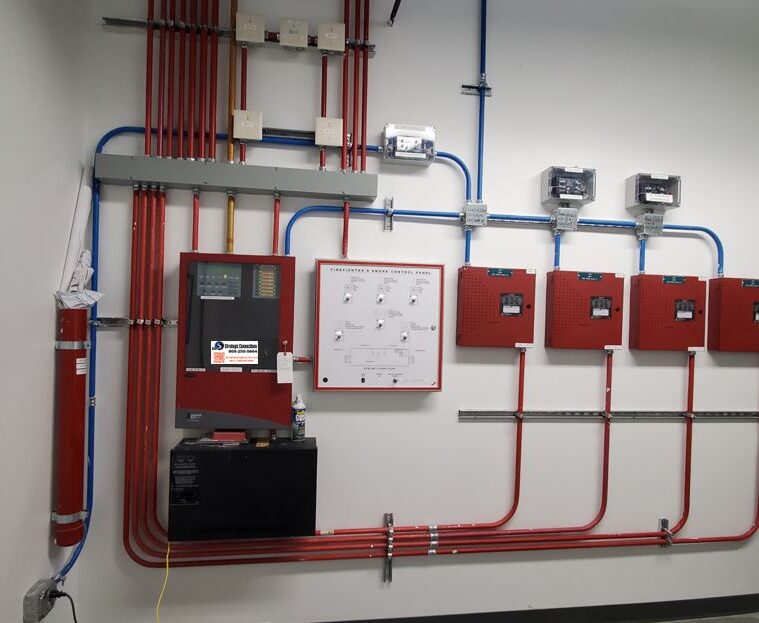
A fire alarm system uses devices such as smoke detectors, heat detectors and manual call points to identify a potential fire. When a device is activated, the system processes the signal and alerts occupants through sounders, bells, strobes or voice messages. Depending on the building and system design, it may also send signals to a monitoring point or interact with other building-safety systems.
Why Professional Installation Matters
Correct installation is about more than placing detectors on a ceiling. Devices must be suitable for the environment, positioned to provide effective coverage and connected in a way that allows faults or alarms to be identified. Poorly planned systems may fail to detect a fire promptly, produce repeated false alarms or leave parts of a building without adequate warning.
A qualified fire-safety professional can assess the building, recommend suitable equipment and plan the system around its layout, use and occupancy. Installation should follow applicable Indian standards, the National Building Code of India, local fire-authority requirements and the equipment manufacturer’s instructions. Requirements can vary by building type and location, so they should be confirmed for each project.
Common Fire Alarm System Components
- Fire alarm control panel: Receives and displays signals from connected devices, and indicates alarm, fault or system status.
- Smoke detectors: Detect smoke particles and are commonly used in areas where smoke detection is appropriate.
- Heat detectors: Respond to a rise in temperature or a set temperature threshold. They may be suitable for locations where smoke or fumes could cause unwanted alarms.
- Manual call points: Allow a person to raise the alarm manually after discovering a fire.
- Sounders, bells and visual alarms: Warn occupants, including people who may not hear an audible alarm.
- Power supply and batteries: Help keep the system operational during a mains power interruption.
- Communication and interface modules: Where required, connect the alarm system with monitoring arrangements or other building systems.
Key Steps in Fire Alarm Installation
Assess the building
Installation begins with a site assessment. The installer considers the building’s size, layout, number of floors, occupancy, escape routes, room uses and potential fire hazards. Kitchens, workshops, plant rooms and dusty or humid areas may need different detection choices from offices or corridors.
Design the system
The system design identifies the type and location of detectors, manual call points, alarm devices, control panels, wiring and power supplies. It should provide suitable coverage and make it clear where an alarm or fault has occurred. The design should also account for accessibility, audibility and the needs of people who may require visual or other forms of warning.
Choose suitable equipment
Equipment should be appropriate for the building environment and compatible with the proposed system. For example, a detector intended for a clean office may not be suitable for a dusty industrial area. The selected products should meet applicable requirements and be installed according to the manufacturer’s guidance.
Install and connect the devices
Devices are installed at their planned locations and connected to the control panel using the specified wiring or approved communication method. Installation should avoid obstructions and locations that could interfere with detection or alarm sound. Work should be carried out by trained personnel, with care taken to protect existing electrical and building services.
Test and commission the system
Before handover, the installer should test the system to confirm that devices communicate correctly with the control panel, alarms operate as intended and power supplies are functioning. Any faults should be resolved, and the owner or facility team should receive clear information about system operation, alarm indications and emergency procedures.
Provide documentation and training
Keep the system design, device locations, commissioning results, operating instructions and maintenance details in an accessible place. Staff should know how to raise an alarm, what to do when one sounds and whom to contact if a fault appears.
Wired and Addressable Systems
Fire alarm systems are available in different configurations. Conventional systems generally identify the zone in which an alarm has been triggered. Addressable systems can identify individual devices at the control panel, which can make it easier to locate an event or fault in larger or more complex buildings. The right choice depends on the building, project requirements and applicable regulations—not simply on the system’s size or cost.
Wireless options may also be considered in some situations, such as buildings where cabling is difficult. Their suitability depends on the site, equipment specifications, system design and approval requirements.
Installation Is Only the Beginning
Fire alarms need regular inspection, testing and maintenance to remain dependable. Dust, damage, changes to room layouts, construction work or disconnected devices can affect performance. Follow the maintenance schedule recommended by the manufacturer and the requirements that apply to the building. Keep records of inspections, tests, faults and repairs, and arrange prompt attention if the panel indicates a problem.
Building occupants should also be familiar with evacuation routes and procedures. A fire alarm is one part of fire safety; it does not replace suitable fire exits, emergency lighting, fire-fighting equipment, staff training or an evacuation plan.
Choosing a Fire Alarm Installation Provider
When selecting an installation provider, ask about their experience with buildings similar to yours, their design and commissioning process, the products they propose and the maintenance support available after installation. Request clear documentation and ensure the proposed system addresses applicable local and statutory requirements.
Conclusion
A well-designed fire alarm system can provide early warning and support a safer, more organised response to a fire. Careful assessment, suitable equipment, professional installation, thorough commissioning and ongoing maintenance all contribute to reliable performance. For a new installation or an upgrade, consult a qualified fire-safety professional to identify a solution suited to your building and its specific requirements.
5 Essential Tips for Safe Fire Alarm Installation
- Use a qualified installer and follow local fire-safety rules.
- Place alarms as specified by the manufacturer, especially near bedrooms.
- Avoid installing alarms near fans, vents, or steamy areas.
- Choose interconnected alarms so all units sound together.
- Test each alarm after installation and follow its maintenance schedule.
Use a qualified installer and follow local fire-safety rules.
Always use a qualified fire alarm installer and ensure the system is designed and fitted in line with local fire-safety rules and applicable standards. A professional can assess your building, recommend suitable equipment and position detectors and alarms correctly. This helps the system work reliably, supports compliance and gives occupants timely warning in an emergency.
Place alarms as specified by the manufacturer, especially near bedrooms.
Place fire alarms in the locations specified by the manufacturer and applicable fire-safety requirements, with particular attention to areas near bedrooms so occupants can hear the warning while asleep. Avoid placing alarms too close to kitchens, bathrooms, fans or air-conditioning outlets, as smoke, steam or airflow may affect their performance.
Avoid installing alarms near fans, vents, or steamy areas.
Avoid installing fire alarms close to fans, air-conditioning vents or steamy areas such as bathrooms and kitchens. Air currents can disperse smoke before it reaches a detector, while steam and moisture may trigger false alarms or affect the device’s performance. Choose a location that follows the manufacturer’s guidance and provides clear, unobstructed detection.
Choose interconnected alarms so all units sound together.
Choose interconnected fire alarms so that when one unit detects smoke or heat, all connected alarms sound together. This can alert people throughout the building, including those in rooms or on floors far from the source of the fire. Select a system suited to your property and have it installed and tested according to the manufacturer’s instructions and applicable local requirements.
Test each alarm after installation and follow its maintenance schedule.
After installation, test every fire alarm device to confirm that it communicates with the control panel and that audible or visual alerts work as intended. Record the results and arrange for any faults to be corrected before the system is put into service. Follow the manufacturer’s maintenance schedule and applicable local requirements, including regular inspections and testing, to help keep the system reliable.