Fire Alarm Repeater Panel: A Guide to Its Purpose and Use
A fire alarm repeater panel helps people monitor a fire alarm system from a location away from the main fire alarm control panel. It displays important system information—such as an alarm, fault or disabled circuit—so that staff can respond promptly without needing to visit the main control room first.
What is a fire alarm repeater panel?
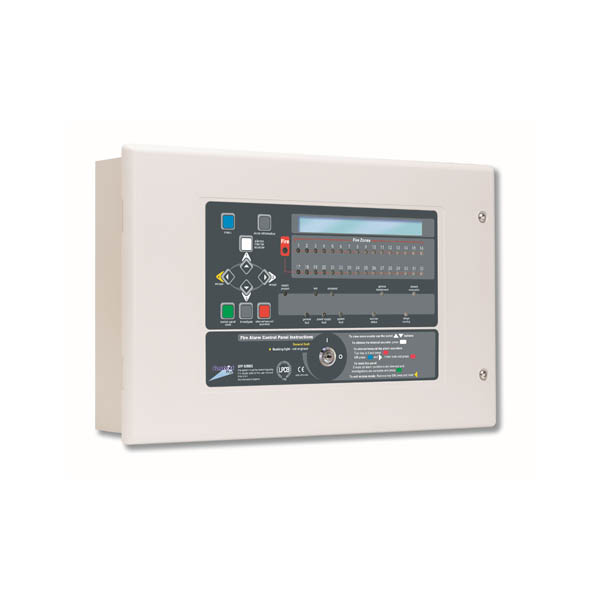
A fire alarm repeater panel is a secondary display connected to a building’s fire alarm system. It receives information from the main fire alarm control panel and presents it at a more convenient or frequently occupied location. Depending on the system, the display may show the affected zone, device or area, along with the system’s current status.
A repeater panel is generally intended for monitoring and indication. The functions available to an operator—such as acknowledging an alarm or silencing a buzzer—depend on the panel design, system configuration and permissions. It should not be assumed to replace the main control panel.
How does it work?
When a connected detector, manual call point or other fire alarm device reports an event, the main control panel processes the signal. It then communicates the relevant information to the repeater panel. The repeater displays the event so that authorised personnel can identify where attention is required.
Depending on the system, information may be communicated over a dedicated cable or a network connection. The repeater must be compatible with the main panel and configured as part of the overall fire alarm system.
Information commonly shown
- Fire alarm: An indication that an alarm condition has been reported, often with details of the affected zone or device.
- Fault: A warning that part of the system may need inspection—for example, a wiring, power supply or communication issue.
- System status: Information about the panel’s operating condition.
- Disabled or isolated points: Where supported, an indication that a circuit or device has been temporarily taken out of service.
- Audible and visual alerts: Indicators such as lights, a screen message or a buzzer to draw attention to an event.
The exact information and controls vary between manufacturers and models. Always check the product documentation and system design.
Where are repeater panels used?
Repeater panels can be useful in buildings where the main fire alarm control panel is located away from reception or other staffed areas. Common locations may include:
- Reception desks and building entrances
- Security or facilities management rooms
- Remote wings or blocks of a large campus
- Staffed areas in hotels, hospitals, offices and commercial buildings
- Locations where responders need clear alarm information on arrival
Placement should be planned so the display is accessible to authorised staff, easy to identify and protected from accidental damage. The final location should follow the building’s fire strategy and applicable requirements.
Benefits of a fire alarm repeater panel
- Information closer to staff: Helps personnel see system indications without travelling to the main control panel.
- Quicker awareness: Makes alarm and fault information visible in a regularly occupied location.
- Support for larger buildings: Provides additional points for viewing system status across a site.
- Clearer response coordination: Can help staff communicate the reported zone or location to the appropriate responders.
A repeater panel supports a building’s fire alarm arrangements; it does not replace evacuation procedures, staff training, emergency services or the main fire alarm control panel.
Choosing a suitable repeater panel
Before selecting a repeater panel, consider the following:
- Compatibility: Confirm that the panel is designed to work with the existing fire alarm control panel and system protocol.
- System type: Check whether the site uses a conventional, addressable or other type of fire alarm system.
- Display requirements: Decide whether zone indicators, a text display or more detailed device information is needed.
- Communication method: Confirm the required wiring, network connection, distance and installation conditions with the system designer.
- Controls and access: Determine which actions, if any, operators need to perform at the repeater and how access will be managed.
- Expansion needs: Consider whether future building changes may require additional devices or display locations.
- Standards and documentation: Verify that the complete system is suitable for the project and meets applicable Indian requirements and local authority expectations.
Compatibility and system design are critical. An unsuitable or incorrectly configured repeater may fail to display information as intended. Selection and installation should therefore be handled by qualified fire alarm professionals.
Installation, testing and maintenance
A fire alarm repeater panel should be installed and commissioned as part of the complete fire alarm system. A competent technician should verify the connection to the main panel, confirm that alarm and fault indications appear correctly, and record the results. Any controls provided on the repeater should also be checked under the approved commissioning procedure.
After installation, the repeater should be included in the building’s planned inspection and maintenance programme. Staff should know what its indicators mean and who to contact if it shows a fault. Testing must be coordinated carefully so it does not cause unnecessary disruption or confusion; occupants should be informed where appropriate.
Conclusion
A fire alarm repeater panel provides a convenient way to view fire alarm information at a location away from the main control panel. When correctly selected, installed and maintained, it can support staff awareness and help with the coordination of a building’s fire response. For a reliable installation, choose a model compatible with the existing system and consult a qualified fire alarm professional about design, placement and compliance.
Fire Alarm Repeater Panel: 7 Frequently Asked Questions
- What is a fire alarm repeater panel?
- How does a fire alarm repeater panel work?
- What information does a fire alarm repeater panel display?
- Where should a fire alarm repeater panel be installed?
- Can a fire alarm repeater panel replace the main fire alarm control panel?
- How do I choose a compatible fire alarm repeater panel?
- How often should a fire alarm repeater panel be tested and maintained?
What is a fire alarm repeater panel?
A fire alarm repeater panel is a secondary display connected to the building’s main fire alarm control panel. It shows important system information, such as a fire alarm, fault or affected zone, at a convenient location away from the main panel. This helps authorised staff quickly see where attention is needed. The functions available depend on the system, and a repeater panel does not replace the main control panel or the building’s emergency procedures.
How does a fire alarm repeater panel work?
A fire alarm repeater panel receives status information from the main fire alarm control panel through a compatible wired or network connection. When a detector, manual call point or other connected device reports an alarm or fault, the main panel processes the signal and sends the relevant details to the repeater, which displays indicators such as the affected zone or device. Depending on the system, the repeater may also provide limited controls, but its functions vary by model and configuration. It is a secondary display and does not replace the main control panel or the building’s fire response procedures.
What information does a fire alarm repeater panel display?
A fire alarm repeater panel displays information received from the main fire alarm control panel, such as a fire alarm and the affected zone or device, system faults, and any circuits or devices that have been disabled or isolated. Depending on the model and system configuration, it may also show the panel’s operating status and provide audible or visual alerts. The information and available controls vary, so refer to the manufacturer’s documentation and ensure staff know how to respond to each indication.
Where should a fire alarm repeater panel be installed?
A fire alarm repeater panel should be installed in a readily accessible, clearly visible location where authorised staff can quickly check the system status—often near the main entrance, reception or a security desk. In large buildings, an additional panel may be useful in a staffed remote block or wing. The location should be chosen as part of the fire alarm system design, considering staff availability, access for emergency responders, environmental conditions and applicable Indian requirements. Have a qualified fire alarm professional confirm the placement and installation.
Can a fire alarm repeater panel replace the main fire alarm control panel?
No, a fire alarm repeater panel generally cannot replace the main fire alarm control panel. It is designed to display information—such as alarm, fault or system status—from the main panel at another location. Its control functions, if any, are limited and depend on the system design. The main control panel remains responsible for managing the fire alarm system, so any replacement or upgrade should be planned and installed by a qualified fire alarm professional in accordance with applicable requirements.
How do I choose a compatible fire alarm repeater panel?
To choose a compatible fire alarm repeater panel, first identify the make, model and system type of the existing fire alarm control panel, as repeaters are not universally interchangeable. Check the manufacturer’s compatibility guidance, communication protocol, wiring or network requirements, and the functions required, such as zone or device-level indications. Also consider the installation location, power supply and any applicable Indian standards or local requirements. Have a qualified fire alarm professional confirm compatibility and configure, install and test the repeater as part of the complete system.
How often should a fire alarm repeater panel be tested and maintained?
A fire alarm repeater panel should be checked and maintained as part of the building’s overall fire alarm system, following the manufacturer’s instructions, the system maintenance plan and applicable Indian requirements. Routine inspections should confirm that the panel is powered, shows the correct system status and communicates properly with the main control panel; functional tests should be carried out by a competent fire alarm professional at the specified intervals. Any fault indication, damage or communication problem should be reported and addressed promptly. Keep records of inspections, tests and repairs, and ensure occupants or relevant staff are informed before planned testing.