Fire Alarm Simplex: Reliable Detection and Life-Safety Solutions
A fire alarm system is an essential part of a building’s life-safety plan. It detects signs of fire, alerts occupants and helps emergency teams respond promptly. Simplex fire alarm systems are used in a range of environments, including offices, hospitals, hotels, educational institutions, industrial facilities and commercial buildings.
Simplex is a fire and life-safety brand associated with Johnson Controls. Depending on the project and product range, its systems may include fire alarm control panels, detectors, manual call points, notification appliances and other safety equipment. The right arrangement depends on the building’s layout, occupancy, risks and applicable local requirements.
How a Simplex Fire Alarm System Works
Fire alarm devices monitor an area for signs of fire, such as smoke or a rise in temperature. When a device detects a potential fire—or someone operates a manual call point—it sends a signal to the fire alarm control panel. The panel processes the signal and activates the configured alerts, which may include sounders, visual indicators or voice messages.
The panel can also display information about the alarm location, helping occupants and trained personnel identify where the event has been reported. System features and the level of detail available vary by model and installation design.
Conventional and Addressable Systems
Fire alarm systems are commonly designed as conventional or addressable systems. In a conventional system, devices are grouped into zones. The panel indicates the zone where an alarm has occurred, but may not identify the individual device.
An addressable system assigns an identity to each compatible device. This can help the panel indicate the location of a specific detector or call point. Addressable solutions are often considered for larger or more complex premises, while the choice for any building should be based on a competent fire-alarm design.
Common System Components
- Fire alarm control panel: Receives and processes signals from the connected devices, and indicates system status or faults.
- Smoke and heat detectors: Detect signs of fire in areas suited to their type and application.
- Manual call points: Allow a person to raise the alarm manually.
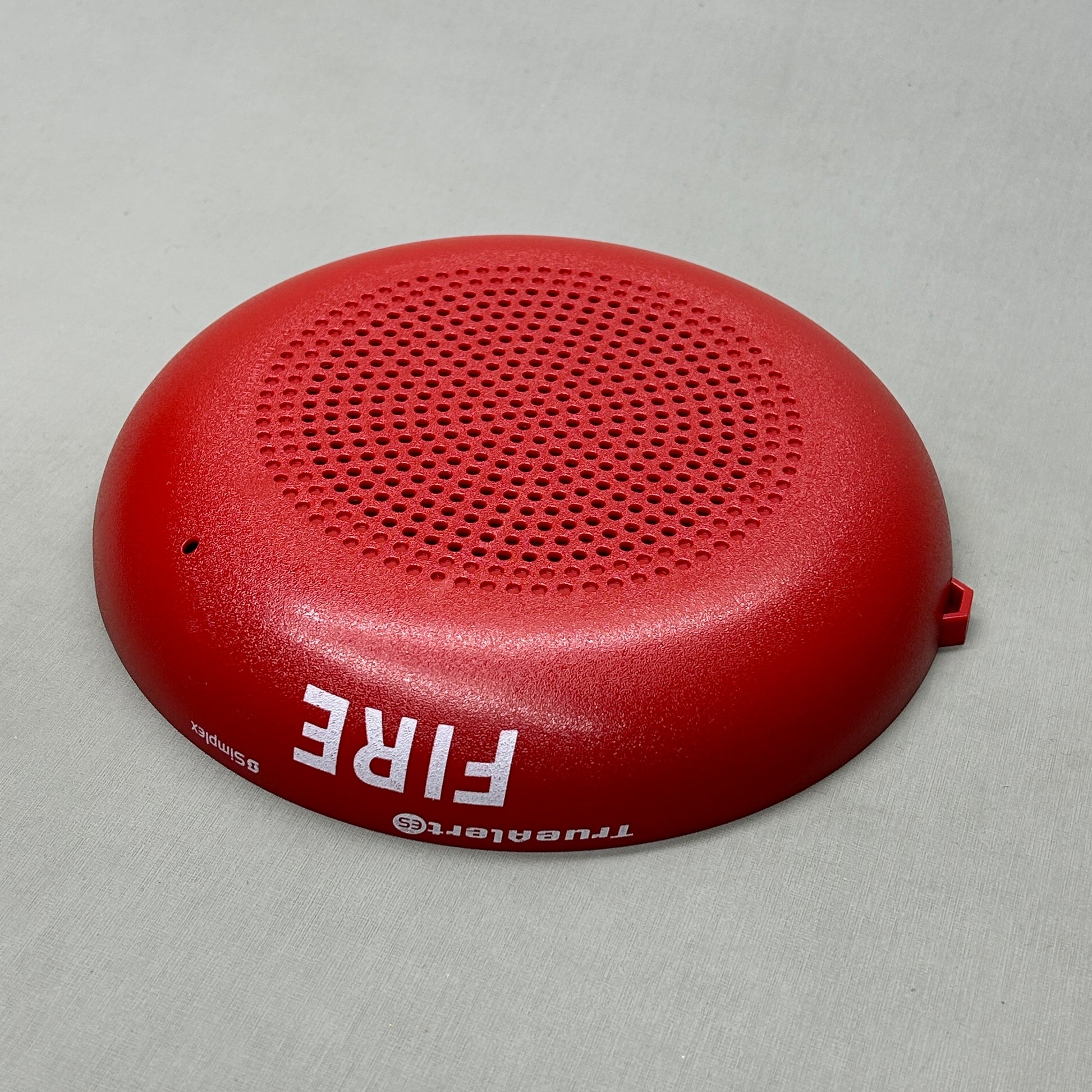
- Sounders and visual indicators: Alert people to an alarm condition. Their placement and type should suit the building and its occupants.
- Voice alarm or public address interfaces: Where designed and provided, these can support clear instructions during an emergency.
- Power supply and standby batteries: Help the system remain available during a mains power interruption, subject to the system design and maintenance.
Planning a Fire Alarm Installation
A suitable system begins with an assessment of the premises. Designers consider the building’s use, floor plan, occupancy, environmental conditions, escape routes and potential sources of unwanted alarms. They also determine the placement and type of devices, notification coverage, wiring routes and any required interfaces with other building systems.
In India, fire-safety planning should take account of applicable local fire authority requirements, building regulations and relevant Indian Standards, including the applicable provisions of IS 2189 for automatic fire detection and alarm systems. Requirements can vary by building type and jurisdiction, so a qualified fire-safety professional should confirm what applies to the project.
Installation, Testing and Maintenance
Correct installation is essential for dependable operation. Devices should be installed in suitable locations, configured in accordance with the approved design and tested as a complete system. Handover should include relevant drawings, operating instructions and records of commissioning.
Regular inspection and testing help identify faults, damage, obstructed detectors or changes to the building that may affect coverage. Maintenance should be carried out by trained personnel in accordance with the manufacturer’s guidance, the system design and applicable requirements. Staff should also know how to respond to an alarm and whom to contact if a fault is indicated.
Choosing a Simplex Fire Alarm System
When considering a Simplex fire alarm solution, confirm that the proposed equipment is suitable for the site and compatible with the overall design. Ask the system provider about device coverage, alarm notification, standby power, expansion requirements, service support and the documentation supplied at handover. Product availability and features can differ, so specifications should be checked against current manufacturer information.
A fire alarm system is most effective when it is properly designed, installed, tested and maintained. For a new project or an upgrade, consult a qualified fire-alarm professional to identify a solution that meets the building’s life-safety needs and applicable Indian requirements.
5 Essential Tips for Safe Operation of Simplex Fire Alarm Systems
- Keep the Simplex panel clear and accessible.
- Report trouble or alarm faults promptly.
- Test alarms as per the site schedule.
- Only trained staff should silence or reset alarms.
- Never disable detectors or alarm circuits without authorisation.
Keep the Simplex panel clear and accessible.
Keep the Simplex fire alarm panel clear and accessible at all times. Do not block it with furniture, boxes or equipment, and ensure authorised staff can reach it quickly during an emergency. Clear access helps responders check alarm and fault indications, operate the panel safely and take prompt action.
Report trouble or alarm faults promptly.
Report any trouble indication or alarm fault on a Simplex fire alarm system promptly to the building manager or authorised maintenance team. A fault may affect the system’s ability to detect or signal a fire, so it should be checked and rectified by a qualified technician without delay. Do not silence, reset, isolate or attempt repairs unless you are authorised and trained to do so. Follow the site’s emergency procedures, and treat any sign of fire as an emergency.
Test alarms as per the site schedule.
Test the Simplex fire alarm system according to the site’s approved schedule to help confirm that the control panel, detectors, manual call points and notification devices are working as intended. Testing should be carried out by trained personnel, with occupants and relevant stakeholders informed beforehand to avoid confusion. Record each test, note any faults and arrange prompt repairs; always follow the manufacturer’s guidance and applicable fire-safety requirements.
Only trained staff should silence or reset alarms.
Only trained and authorised staff should silence or reset a Simplex fire alarm system. Before taking any action, they should follow the site’s emergency procedure and confirm that the alarm has been investigated—silencing the sounders does not mean the danger has passed. Reset the panel only when it is safe to do so and the cause of the alarm has been addressed; if the alarm persists or a fault is displayed, contact the designated fire-safety professional or service provider.
Never disable detectors or alarm circuits without authorisation.
Never disable a Simplex fire alarm detector or alarm circuit without proper authorisation. Doing so can leave an area unprotected and delay warnings during an emergency. If a device is faulty, causing repeated alarms or needs maintenance, notify the responsible facility or fire-safety team and arrange for a qualified technician to investigate. Any necessary isolation should be authorised, kept to the minimum required and followed by prompt restoration and testing of the system.