Fire Alarm Devices: Essential Components for Early Fire Detection
Fire alarm devices help detect signs of fire and alert people so they can respond quickly and evacuate safely. They are an important part of fire safety in homes, offices, factories, shops, hospitals, schools and other buildings. A well-planned fire alarm system can provide early warning, support an orderly evacuation and help protect people and property.
What Are Fire Alarm Devices?
Fire alarm devices are the components that detect fire conditions, allow someone to raise an alarm, or notify occupants and building personnel. They work together as part of a fire alarm system, which may also connect to monitoring equipment or other building safety systems.
Common Types of Fire Alarm Devices
Smoke Detectors
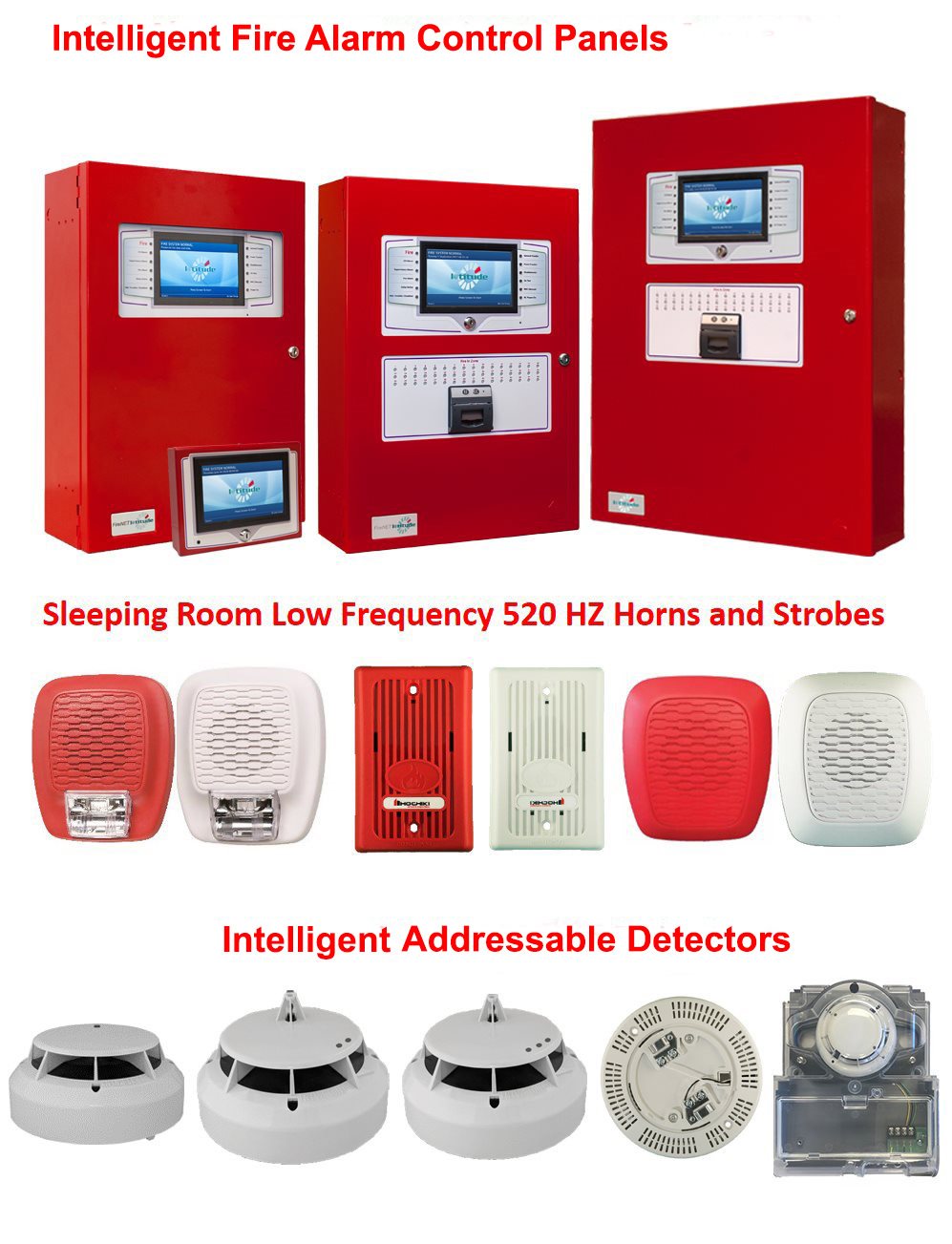
Smoke detectors identify smoke particles in the air. Depending on the technology used, they may be suitable for different environments and fire risks. Their placement is important: kitchens, dusty areas and spaces with steam may require careful consideration to help reduce unwanted alarms.
Heat Detectors
Heat detectors respond to a rise in temperature or to a set temperature threshold. They are often considered for locations where smoke detectors may be unsuitable, such as certain kitchens, plant rooms or dusty work areas. The appropriate type depends on the environment and the fire risk.
Flame Detectors
Flame detectors identify the radiation produced by a flame. They may be used in specific industrial or high-risk settings where fires could develop rapidly. Their selection and positioning should be based on the site conditions and the hazards present.
Manual Call Points
Manual call points allow a person who discovers a fire to raise the alarm. They are generally installed at accessible locations, such as near exits and along escape routes, in accordance with the approved system design and applicable requirements.
Sounders, Bells and Visual Indicators
When an alarm is activated, sounders or bells provide an audible warning. Visual alarm devices, such as flashing indicators, can help alert people in noisy environments or those who may not hear an audible alarm. The type and placement should suit the building and its occupants.
Fire Alarm Control Panel
The control panel receives signals from detectors and manual call points, identifies the alarm condition and activates the relevant notification devices. Depending on the system, it may show the zone or device that has triggered the alarm and can provide fault indications.
Input and Output Modules
Modules can connect the fire alarm system with other equipment, such as lifts, ventilation controls or door-release mechanisms. These interfaces must be designed and configured by qualified professionals so that connected systems respond safely and as intended.
Addressable and Conventional Systems
In a conventional system, devices are arranged in zones. When an alarm occurs, the panel identifies the zone, but may not identify the exact device. In an addressable system, each compatible device has a unique address, which can help the panel indicate the specific device or location involved. The most suitable system depends on factors such as the size, layout and use of the building.
Choosing the Right Fire Alarm Devices
Choosing devices involves more than selecting a detector. A suitable design should consider:
- The building’s layout, occupancy and escape routes
- The types of fire risks and materials present
- Environmental conditions, including dust, heat, moisture and airflow
- Audible and visual warning requirements
- Compatibility between devices and the control panel
- Applicable building, fire safety and local authority requirements
- Testing, servicing and future maintenance needs
Fire alarm devices should be selected and installed as part of a professionally designed system. Requirements can vary according to the building and its use, so the design should follow applicable Indian standards, building regulations and instructions from the relevant authorities.
Installation, Testing and Maintenance
Correct installation is essential for reliable operation. Devices should be positioned according to the approved design and manufacturer’s instructions, with clear access for inspection and maintenance. After installation, the system should be commissioned and tested by qualified personnel.
Routine checks help identify faults such as damaged devices, disconnected wiring, low battery conditions or blocked detectors. Testing and maintenance should follow the system manufacturer’s guidance and the building’s fire safety plan. Any alarm, fault or unusual behaviour should be investigated promptly, and records of inspections and tests should be maintained.
Build Fire Safety into Your Building Plan
Fire alarm devices are most effective when they form part of a broader fire safety plan that includes clear evacuation procedures, suitable signage, emergency lighting and staff or occupant awareness. A competent fire safety professional can help assess the site, recommend suitable devices and plan an appropriate system.
Sonal Enterprises India shares information on fire alarm and detection systems to help organisations make informed decisions about safety. For a system recommendation, seek advice based on your building’s specific requirements and applicable regulations.
Fire Alarm Devices: 9 Frequently Asked Questions Answered
- What are fire alarm devices and how do they work?
- What are the different types of fire alarm devices?
- What is the difference between a smoke detector and a heat detector?
- Where should fire alarm devices be installed in a building?
- How do addressable and conventional fire alarm systems differ?
- How often should fire alarm devices be tested and maintained?
- What should I do if a fire alarm device keeps giving false alarms?
- Can fire alarm devices be connected to sprinklers, lifts and other building systems?
- How do I choose the right fire alarm devices for my building?
What are fire alarm devices and how do they work?
Fire alarm devices are components of a fire safety system that detect signs of fire or enable people to raise an alarm. Smoke, heat or flame detectors monitor the environment and send a signal to the fire alarm control panel when they sense a potential fire; a manual call point lets someone activate the alarm. The panel then triggers sounders, bells or visual indicators to alert occupants, and may also notify building staff or connected monitoring services. The devices should be selected, installed and maintained according to the building’s requirements and applicable fire safety regulations.
What are the different types of fire alarm devices?
The main types of fire alarm devices include smoke detectors, which sense smoke; heat detectors, which respond to a rise in temperature; and flame detectors, which identify the presence of a flame. Manual call points allow people to raise the alarm, while sounders, bells and visual alarm devices alert occupants. A fire alarm control panel receives signals from these devices and manages the system. The right combination depends on the building, its fire risks and the applicable safety requirements.
What is the difference between a smoke detector and a heat detector?
A smoke detector senses smoke particles in the air and can provide an early warning before a fire produces significant heat. A heat detector responds to a rise in temperature or a set temperature threshold, making it useful in areas where smoke, steam or dust could cause unwanted alarms, such as some kitchens or industrial spaces. The right choice depends on the room’s conditions and fire risk; in some buildings, both types are used as part of a professionally designed fire alarm system.
Where should fire alarm devices be installed in a building?
Fire alarm devices should be installed in suitable locations throughout a building so that fires can be detected early and occupants receive a clear warning. Smoke or heat detectors are typically placed in areas such as rooms, corridors and circulation spaces, while manual call points are positioned at accessible points along escape routes and near exits. Sounders and visual alarm devices should be located so the alert can be noticed across the building, including in noisy areas or spaces used by people with hearing difficulties. Exact placement depends on the building’s layout, use, fire risks and applicable Indian regulations, so the system should be designed and installed by a qualified fire safety professional.
How do addressable and conventional fire alarm systems differ?
Addressable fire alarm systems assign a unique identity to each compatible device, allowing the control panel to show the specific detector or call point that has activated or developed a fault. Conventional systems group devices into zones, so the panel indicates the affected zone but may not identify the exact device. Addressable systems can make it easier to locate an incident in larger or more complex buildings, while conventional systems may suit smaller, simpler premises. The right option depends on the building’s layout, fire safety requirements and system design.
How often should fire alarm devices be tested and maintained?
Fire alarm devices should be inspected and tested regularly, following the manufacturer’s instructions, the system design and applicable Indian regulations. The frequency may vary depending on the device, building type and level of risk, so there is no single schedule suitable for every site. Routine checks can help identify faults, while periodic servicing and testing should be carried out by qualified personnel. Keep a record of inspections, tests and any repairs, and arrange prompt attention if a device shows a fault or does not operate as expected.
What should I do if a fire alarm device keeps giving false alarms?
If a fire alarm device keeps giving false alarms, do not ignore or disable it, as it may fail to warn you of a real fire. First, follow your building’s safety procedure and check that there is no sign of smoke or fire; if in doubt, evacuate and contact the fire service. Once the area is confirmed safe, note which device or zone triggered the alarm and look for possible causes such as dust, steam, cooking fumes or a damaged detector. Arrange for a qualified fire alarm technician to inspect, clean, test or replace the device, and keep a record of the issue. Do not remove batteries or disconnect the system; if temporary isolation is necessary, it should be managed by an authorised person with suitable alternative safety measures in place.
Can fire alarm devices be connected to sprinklers, lifts and other building systems?
Yes, fire alarm devices can be integrated with sprinklers, lifts, ventilation systems, access control and other building systems through compatible control panels and interface modules. When an alarm is triggered, the system may activate pre-planned responses, such as releasing access-controlled doors or sending lifts to a designated floor. The exact functions depend on the building design, equipment compatibility and applicable fire safety requirements. Integration should be designed, installed, tested and maintained by qualified professionals to ensure each system responds safely and reliably.
How do I choose the right fire alarm devices for my building?
To choose the right fire alarm devices for your building, consider its size and layout, how it is used, the number of occupants and the specific fire risks present. Smoke, heat or flame detectors may be suitable for different areas, while manual call points and audible or visual alarms help people raise and receive warnings. Device placement and system type should also account for conditions such as dust, heat, moisture and background noise. Consult a qualified fire safety professional to assess the site and recommend a system that complies with applicable Indian standards, building regulations and local authority requirements.