Solar 4G CCTV Camera: Reliable Surveillance Without Mains Power or Wi-Fi
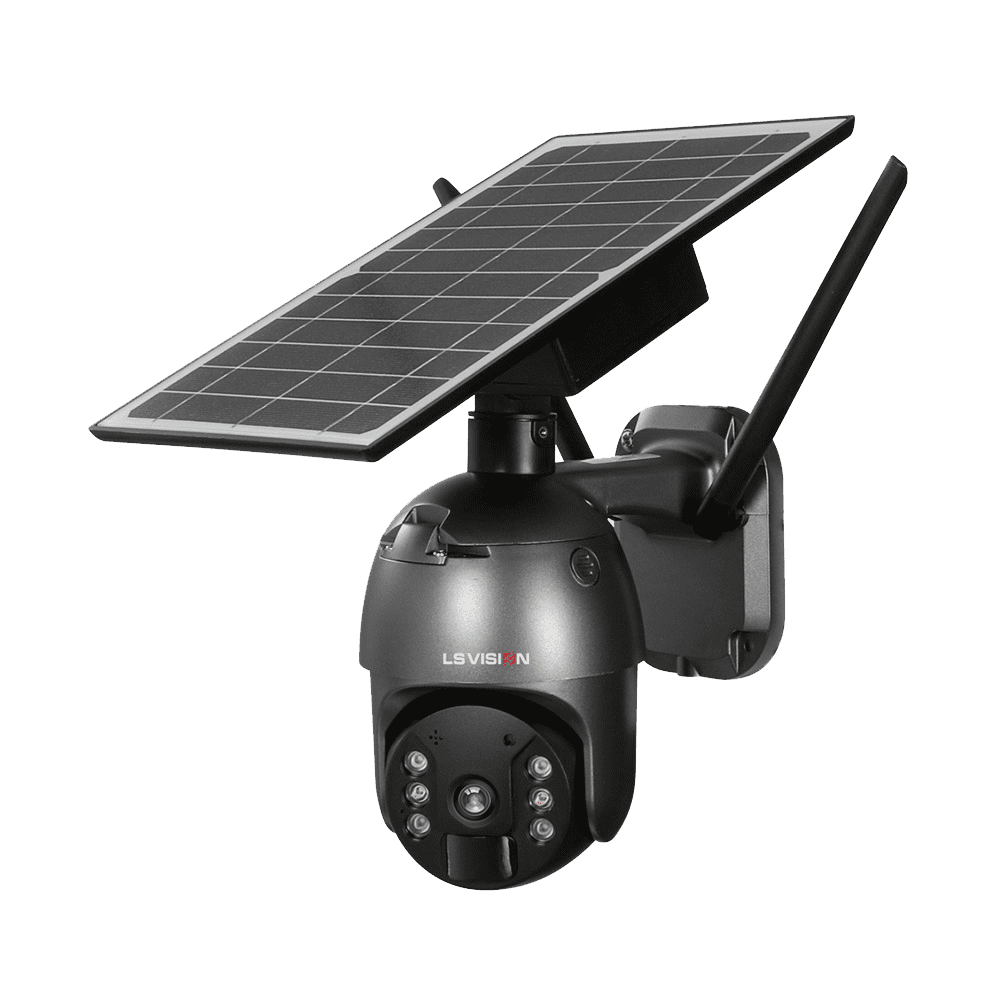
A solar 4G CCTV camera is a surveillance camera powered by solar energy and connected to the internet through a 4G SIM card. It can be a practical option for monitoring locations where mains electricity or a fixed broadband connection is unavailable, such as farms, construction sites, warehouses, remote roads and temporary work areas.
How Does a Solar 4G CCTV Camera Work?
A solar panel converts sunlight into electricity and charges the camera’s battery. The camera uses this stored power to operate, while a 4G SIM card provides a mobile data connection for remote viewing, alerts and, where supported, cloud services. Many models also record footage to a memory card, giving users a local storage option.
Depending on the model, the camera may include features such as motion detection, night vision, two-way audio, pan-tilt control and human or vehicle detection. The available features and their performance vary by product and installation conditions.
Key Benefits
- Suitable for off-grid locations: Solar power can reduce the need to run electrical cables to the camera.
- Mobile connectivity: A 4G connection can support remote monitoring without a Wi-Fi router, provided there is adequate mobile network coverage.
- Flexible installation: The camera can be installed in places where fixed power and broadband services are difficult or costly to arrange.
- Remote access: Compatible cameras allow users to view live footage or receive notifications through a mobile app.
- Potentially lower cabling requirements: Solar power and cellular connectivity can simplify installation, although mounting and setup still need careful planning.
Where Can It Be Used?
Solar-powered 4G cameras can be considered for locations including:
- Farms, orchards and agricultural land
- Construction and infrastructure projects
- Remote warehouses and storage areas
- Perimeters, gates and access roads
- Temporary sites and event locations
- Rural properties with limited network infrastructure
What to Check Before Buying
4G Network Coverage
Check that the chosen mobile network has reliable 4G coverage at the installation point. Signal strength can vary within a site, so testing the location before installation is recommended. Also confirm that the camera supports the network bands and SIM type used by the selected operator.
Solar Panel and Battery Capacity
The solar panel must receive sufficient sunlight to replenish the battery. Shade, dust, seasonal weather and camera usage can affect charging. Review the manufacturer’s specifications for battery capacity and operating conditions, and position the panel where it can receive good sunlight throughout the day.
Data Usage
Live viewing, frequent alerts and cloud uploads can use mobile data. Data consumption depends on video resolution, recording settings, activity levels and how often footage is viewed. Check whether the camera supports local memory-card recording and estimate the data plan required for the intended use.
Recording and Storage
Decide whether footage should be stored on a memory card, in the cloud or through another supported system. Check the maximum supported card capacity, recording options and how footage can be retrieved. Cloud storage may involve a subscription or data charges.
Image Quality and Night Vision
Choose a camera resolution and field of view suited to the area being monitored. For night-time surveillance, check the type and range of night vision, and consider whether the site has enough ambient light for clear identification.
Weather Protection and Mounting
For outdoor use, review the camera’s weather-resistance rating and operating temperature range. Use a secure mounting point and position the camera to avoid glare, obstructions and excessive vibration. The solar panel should be mounted at an angle and location that supports effective charging.
Installation Tips
- Test 4G signal strength at the intended camera location.
- Choose a position with a clear view of the area and minimal obstruction.
- Place the solar panel in a sunny location, away from persistent shade.
- Secure the camera and panel using suitable brackets and fixings.
- Set motion-detection zones and notification preferences to reduce unnecessary alerts.
- Check the battery, solar charging, recording and remote access after installation.
- Clean the solar panel periodically and inspect the equipment for damage or loose fittings.
Is a Solar 4G CCTV Camera Right for You?
A solar 4G CCTV camera may be a suitable choice when a location needs surveillance but does not have convenient access to mains power or fixed internet. Before selecting a model, consider network coverage, sunlight, battery performance, data costs, storage requirements and the area that needs to be monitored. Matching these factors to the site’s conditions helps ensure the system is practical and dependable.
For a site-specific recommendation, assess the camera’s coverage requirements and installation environment before choosing a solar 4G CCTV solution.
Solar 4G CCTV Cameras: Working, Connectivity and Pricing FAQs
- Do solar powered CCTV cameras work?
- How does 4G solar camera work?
- Is 4G suitable for CCTV?
- What is the price of solar PTZ camera 4G?
Do solar powered CCTV cameras work?
Yes, solar-powered CCTV cameras can work reliably when they receive enough sunlight to charge their batteries and have suitable 4G or Wi-Fi coverage, depending on the model. Performance can be affected by prolonged cloudy weather, shade, heavy camera use or a weak network signal, so check the battery capacity, solar panel specifications and local connectivity before installation. Regularly cleaning the panel and positioning it in a sunny spot can help maintain operation.
How does 4G solar camera work?
A 4G solar camera uses a solar panel to charge its built-in battery, providing power without a mains connection. A SIM card connects the camera to the 4G mobile network, allowing users to view live footage and receive motion alerts through a compatible app, provided there is adequate network coverage and an active data plan. Depending on the model, recordings can be saved to a memory card or cloud storage.
Is 4G suitable for CCTV?
Yes, 4G is suitable for CCTV, particularly at locations without Wi-Fi or a fixed internet connection. A 4G CCTV camera uses a SIM card to send footage, alerts and live video to your phone or monitoring system. For reliable performance, check that the site has strong 4G coverage and choose a data plan that suits your camera’s resolution, recording settings and viewing frequency. Depending on the model, footage may also be saved locally to a memory card.
What is the price of solar PTZ camera 4G?
The price of a solar PTZ 4G CCTV camera in India varies according to its resolution, pan-tilt-zoom range, solar panel and battery capacity, night-vision features, storage options and warranty. Installation, GST and the 4G SIM’s data plan may also be charged separately. For an accurate quote, share your required coverage area and installation location with the supplier.