AGNI Fire Alarm Panel: A Guide to Fire Detection and Alarm Systems
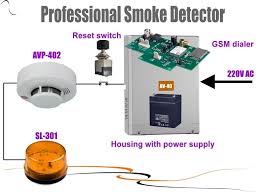
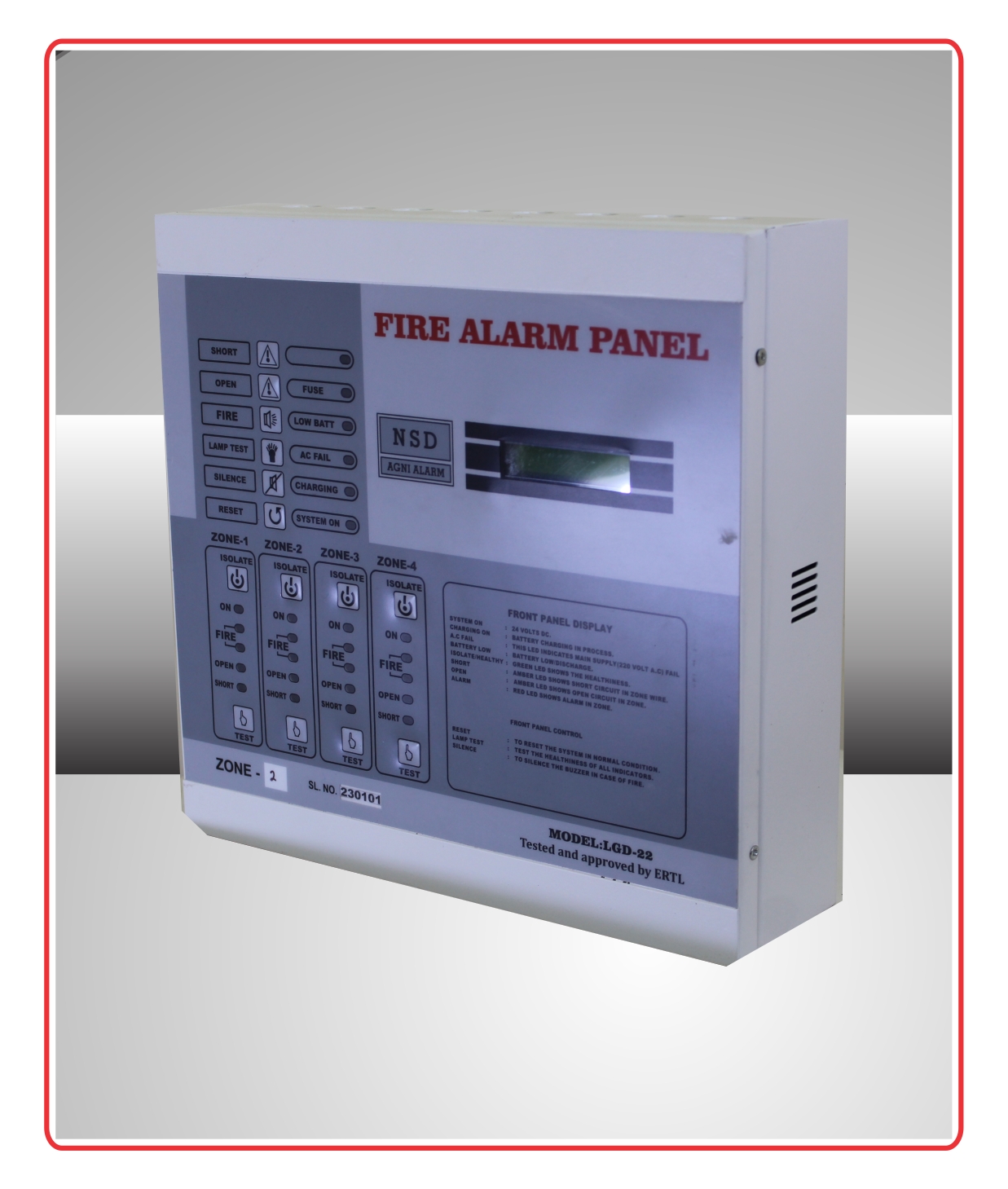
An AGNI fire alarm panel is the central unit of a fire alarm system. It receives signals from connected devices, such as smoke detectors, heat detectors and manual call points, and activates alarms when a potential fire is detected. The panel helps occupants respond promptly and supports coordinated fire safety procedures in buildings.
Exact functions and specifications can vary between AGNI models and system configurations. Always check the manufacturer’s documentation and consult a qualified fire safety professional before choosing or installing a panel.
How a Fire Alarm Panel Works
Fire alarm devices installed throughout a building monitor for signs of fire. When a detector senses smoke or a rise in temperature, or someone operates a manual call point, it sends a signal to the panel. The panel processes the signal and, depending on its configuration, activates sounders, visual indicators or other connected equipment.
The panel also displays system conditions and may indicate the zone or device associated with an alarm or fault. This helps authorised personnel identify where attention is needed.
Common System Components
A fire alarm system using an AGNI panel may include:
- Fire alarm control panel: Receives and displays signals from connected devices.
- Smoke and heat detectors: Detect signs of fire in suitable areas.
- Manual call points: Allow a person to raise the alarm manually.
- Sounders and visual alarm devices: Alert occupants to an alarm condition.
- Power supply and standby batteries: Help keep the system operational during a mains power interruption, subject to the system design.
- Cabling and interfaces: Connect devices and, where designed, other building systems.
Conventional and Addressable Panels
Fire alarm panels are commonly grouped into conventional and addressable types. In a conventional system, devices are arranged into zones, so the panel generally identifies the zone in which an alarm has occurred. In an addressable system, each compatible device has an individual address, which can help pinpoint the source of an alarm or fault more precisely.
Whether an AGNI panel is conventional or addressable depends on the specific model. Confirm compatibility between the panel and all connected devices before planning a system.
Where an AGNI Fire Alarm Panel May Be Used
Depending on the model, system design and applicable requirements, a fire alarm panel may be considered for premises such as offices, shops, schools, residential buildings, warehouses and industrial facilities. The number and type of devices required will depend on the building’s layout, use, fire risk and relevant regulations.
Choosing the Right Panel
Before selecting an AGNI fire alarm panel, consider the following:
- The size, layout and occupancy of the premises.
- The type of system required: conventional or addressable.
- The number of zones or devices the panel can support.
- Compatibility with detectors, call points, sounders and other equipment.
- Power supply and standby battery requirements.
- Whether the system needs interfaces with other building services.
- Local fire safety requirements and the availability of installation and maintenance support.
Request the current product datasheet and installation instructions for the exact model being considered. Specifications should be verified with the manufacturer or authorised supplier rather than assumed from the product name alone.
Installation, Testing and Maintenance
A fire alarm system should be designed and installed by competent professionals. Correct device placement, suitable cabling, careful configuration and commissioning are essential for reliable operation. After installation, the system should be tested and documented in accordance with the manufacturer’s instructions and applicable local requirements.
Routine inspection and maintenance can help identify faults such as damaged wiring, depleted batteries or devices that need attention. Any alarm, fault indication or system change should be handled by authorised personnel. Do not disable or modify the system without an appropriate safety plan.
Conclusion
An AGNI fire alarm panel can serve as the control point for a building’s fire detection and alarm system. Choosing the correct model, pairing it with compatible devices and arranging professional installation and regular maintenance are all important steps towards dependable fire safety. Check the specifications of the particular AGNI panel and seek qualified advice to ensure it is suitable for the premises.
8 Essential Safety Tips for Using an Agni Fire Alarm Panel
- Keep the Agni fire alarm panel accessible and clearly labelled.
- Check the panel regularly for fire, fault or disable indicators.
- Never ignore a fault light or buzzer; contact an authorised technician.
- Know the location of the silence, acknowledge and reset controls.
- Verify the alarm cause before silencing or resetting the panel.
- Do not disable zones or devices unless authorised and monitored.
- Arrange routine testing and servicing as per the site plan.
- Keep the panel manual and emergency contact numbers nearby.
Keep the Agni fire alarm panel accessible and clearly labelled.
Keep the AGNI fire alarm panel accessible and clearly labelled so authorised staff and emergency responders can locate and operate it quickly. Avoid placing furniture, stored items or equipment in front of the panel, and ensure its labels and instructions are easy to read. Maintain clear access at all times, in line with the manufacturer’s guidance and applicable fire safety requirements.
Check the panel regularly for fire, fault or disable indicators.
Check the AGNI fire alarm panel regularly for fire, fault or disable indicators, and ensure that any warning is investigated promptly by authorised personnel. A fire indicator may signal an emergency, while a fault or disable indicator can mean that part of the system needs attention or is not operating as intended. Do not ignore warnings or reset, silence or disable the panel without following the manufacturer’s instructions and site safety procedures.
Never ignore a fault light or buzzer; contact an authorised technician.
Never ignore a fault light or buzzer on an AGNI fire alarm panel, as it may indicate a problem that could affect the system’s ability to detect or report a fire. Contact an authorised technician promptly to identify and rectify the cause. Do not silence, reset or disable the panel unless instructed by a qualified professional, and ensure the building’s fire safety arrangements remain in place while the fault is being addressed.
Know the location of the silence, acknowledge and reset controls.
Familiarise yourself with the location and function of the silence, acknowledge and reset controls on the AGNI fire alarm panel, and ensure authorised staff know how to use them. Acknowledge an alarm or fault only after checking the panel’s indication and following site procedures. Use the silence control only when it is safe and appropriate, and never reset the panel until the cause has been investigated and the system is ready to return to normal. For model-specific instructions, refer to the panel manual or consult a qualified fire safety professional.
Verify the alarm cause before silencing or resetting the panel.
Before silencing or resetting an AGNI fire alarm panel, verify the cause of the alarm by checking the panel display and investigating the indicated zone or device, following your site’s fire safety procedures. Do not assume it is a false alarm or silence the system simply to stop the sound. If there are signs of fire, smoke or danger, raise the alarm, evacuate and contact the emergency services. Reset the panel only when it is safe to do so and the cause has been addressed, preferably by an authorised, trained person.
Do not disable zones or devices unless authorised and monitored.
Do not disable any zone or device on an AGNI fire alarm panel unless you are authorised to do so and the situation is being properly monitored. Disabling a detector or alarm device can leave part of the premises without fire protection. If a device needs maintenance, arrange the work with a qualified professional, inform the responsible people and put suitable temporary safety measures in place until the system is restored.
Arrange routine testing and servicing as per the site plan.
Arrange routine testing and servicing of the AGNI fire alarm panel and connected devices according to the site plan and the manufacturer’s instructions. Regular checks can help identify faults, battery issues or damaged components before they affect system performance. Keep a record of inspections, tests and repairs, and ensure that any alarm or fault is investigated promptly by a qualified technician.
Keep the panel manual and emergency contact numbers nearby.
Keep the AGNI fire alarm panel’s manual and a list of emergency contact numbers close to the panel, in a clearly marked and easily accessible place. The manual can help authorised staff understand alarm and fault indications, while readily available contacts make it easier to reach the fire safety service provider, maintenance team or emergency services when needed. Ensure the information is current and that staff know where to find it.