Starlight CCTV Cameras: Clearer Surveillance in Low-Light Conditions
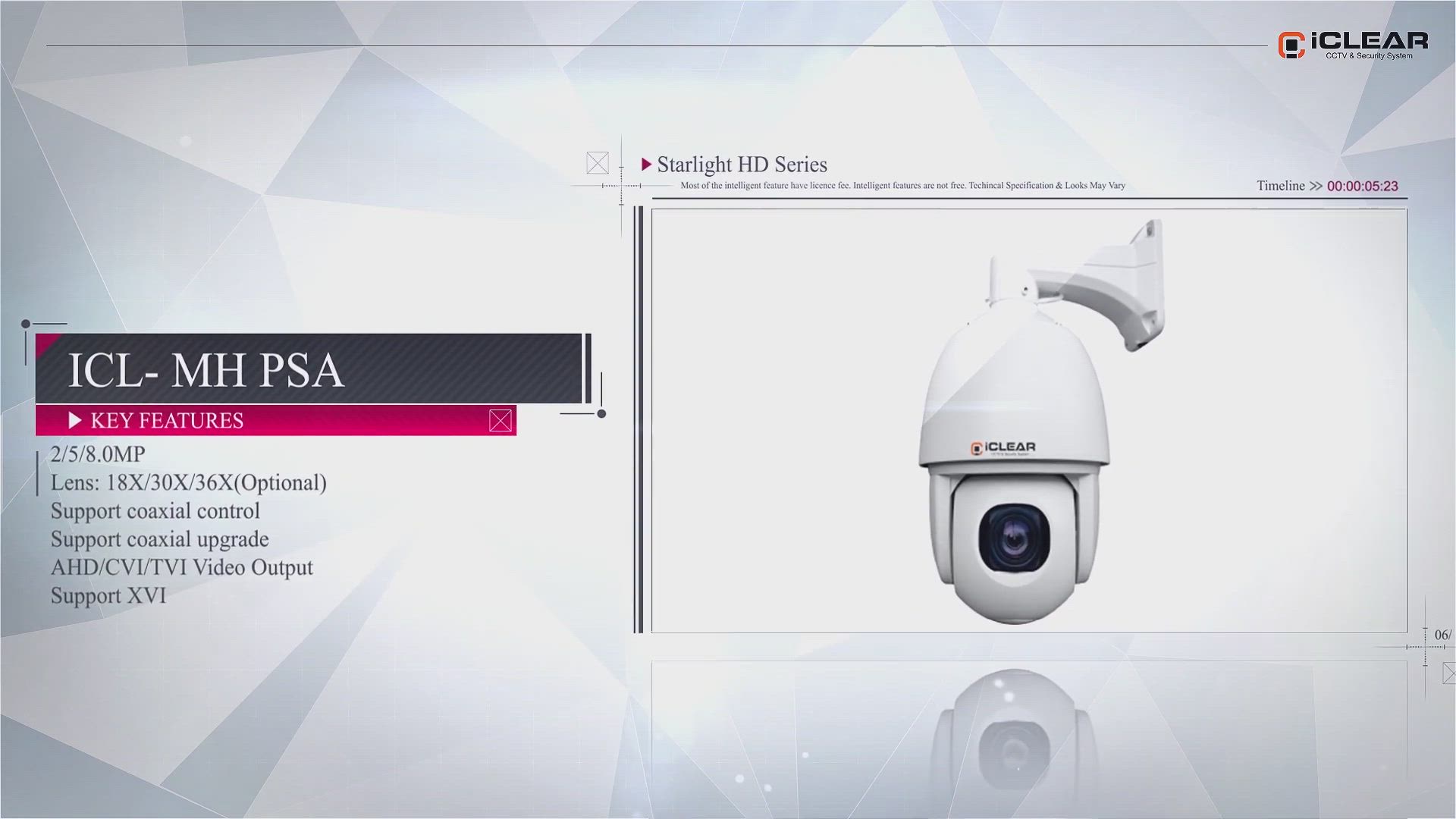
Good-quality surveillance should not stop when daylight fades. A starlight CCTV camera is designed to capture clearer images in very low-light conditions, helping businesses and property owners monitor areas such as entrances, car parks, warehouses and boundary lines after dark.
What Is a Starlight CCTV Camera?
A starlight camera is a low-light surveillance camera that uses a highly sensitive image sensor to capture more detail when available light is limited. Depending on the model and surroundings, it may produce colour images in dim conditions for longer than a standard CCTV camera.
The term “starlight” does not mean that the camera can see in complete darkness. It needs some ambient light, such as light from the moon, street lamps or nearby buildings. If there is not enough light, many models switch to infrared (IR) illumination and record black-and-white video.
How Does Starlight Technology Work?
Starlight cameras are built to make better use of the light reaching the lens. They commonly combine a sensitive image sensor with image-processing features that help produce a usable picture in low-light environments. Performance varies between models and can be affected by the lens, camera settings, distance from the subject and the amount of available light.
Some cameras also include features such as:
- Wide Dynamic Range (WDR): Helps balance bright and dark areas in the same scene, such as a doorway with bright outdoor light behind it.
- Digital noise reduction: Helps reduce visual grain that can appear in low-light footage.
- Infrared illumination: Provides black-and-white images when visible light is too low for colour recording.
- Smart illumination: Adjusts the camera’s lighting response to help avoid overexposed images at close range.
Key Benefits of Starlight CCTV Cameras
- Improved low-light monitoring: Captures more useful footage in dimly lit areas compared with many conventional cameras.
- Potential for colour night-time images: When sufficient ambient light is available, colour footage may help make details such as clothing or vehicle colour easier to identify.
- Flexible use: Suitable for locations including shop entrances, offices, residential buildings, parking areas and industrial premises.
- More effective use of existing light: In some settings, the camera may not need to rely on IR illumination as early as a standard camera.
Starlight Cameras and Infrared Cameras
Both starlight and infrared cameras can support night-time surveillance, but they work differently. A starlight camera aims to capture a clearer image using very limited visible light. An IR camera uses infrared light to illuminate the scene and generally records night-time footage in black and white.
Some CCTV cameras combine both approaches, using available light when possible and switching to IR when the scene becomes too dark. The right option depends on the site, lighting conditions and the level of detail required.
What to Consider Before Choosing a Starlight Camera
Before selecting a camera, consider the specific area you need to monitor. A camera’s performance cannot be judged by its “starlight” label alone. Check the product specifications and assess the installation environment.
- Sensor and lens: These affect how much light reaches the camera and how clearly the scene is captured.
- Lighting conditions: Check whether the area has street lighting, security lights or other ambient light at night.
- Coverage and distance: Match the camera’s field of view and placement to the area being monitored.
- Resolution: Choose a suitable resolution for the level of detail needed, while accounting for storage and network requirements.
- WDR performance: Consider WDR for scenes with strong differences between bright and shaded areas.
- Weather protection: For outdoor installation, check the camera’s suitability for rain, dust, heat and other local conditions.
- Compatibility: Confirm that the camera works with your recorder, network and existing CCTV equipment.
Installation Tips for Better Night-Time Footage
Correct placement can make a significant difference to image quality. Avoid pointing the camera directly at bright lights, as glare can obscure important details. Keep the lens clean, position the camera to cover the intended area and test the view during both daytime and night-time conditions. If the site is extremely dark, additional lighting or a camera with suitable IR capability may be required.
It is also important to configure motion detection, recording schedules and storage settings correctly. A professional site assessment can help identify blind spots and select suitable equipment for the environment.
Conclusion
Starlight CCTV cameras can improve surveillance in low-light areas and may provide colour footage when there is enough ambient light. However, results depend on the camera’s specifications and the conditions at the site. Comparing sensor performance, lens options, lighting support and recorder compatibility will help you choose a system that meets your security requirements.
For CCTV planning, consider the layout of your premises, the areas that need monitoring and the lighting conditions throughout the day and night. These details are essential when selecting a suitable surveillance solution.
5 Essential Tips for Clear and Secure Night Surveillance with Starlight CCTV Cameras
- Choose a camera with good low-light sensitivity for clearer night footage.
- Position it away from bright streetlights to reduce glare.
- Keep the lens clean and trim branches that block the view.
- Use a weatherproof model for outdoor installation.
- Check night recordings regularly and secure access with a strong password.
Choose a camera with good low-light sensitivity for clearer night footage.
Choose a starlight CCTV camera with strong low-light sensitivity to capture clearer footage after dark. A more sensitive image sensor can make better use of available light, helping the camera show useful detail in dimly lit areas such as entrances, corridors and car parks. Before buying, check the camera’s specifications and, where possible, test its performance in the lighting conditions at your site, as results can vary depending on ambient light, lens choice and camera placement.
Position it away from bright streetlights to reduce glare.
Position your starlight CCTV camera away from bright streetlights and avoid pointing it directly towards strong light sources. Direct light can cause glare or overexposure, making it harder to see important details in the footage. Before fixing the camera in place, check the view at night and adjust its angle to capture a clear image of the area you want to monitor.
Keep the lens clean and trim branches that block the view.
For clear footage from a starlight CCTV camera, keep the lens clean and free from dust, water marks and cobwebs, which can blur images—especially in low light. Regularly check the camera’s field of view and trim any branches or foliage that obstruct it. This simple maintenance helps the camera capture a clearer, more reliable view of the area.
Use a weatherproof model for outdoor installation.
For outdoor installation, choose a starlight CCTV camera with a weatherproof rating suitable for the location. This helps protect the camera from rain, dust and moisture, supporting reliable operation in changing weather conditions. Check the product’s IP rating and ensure the camera is installed securely, with cables and connections protected from exposure.
Check night recordings regularly and secure access with a strong password.
Check your starlight CCTV camera’s night-time recordings regularly to make sure the image is clear and the areas you need to monitor are properly covered. Review the footage for issues such as glare, poor focus or unexpected gaps, and adjust the camera settings or position if needed. Protect your recordings and live feed by changing default login details and using a strong, unique password that is difficult to guess. Limit access to trusted users and update the password if you suspect it has been shared or compromised.