
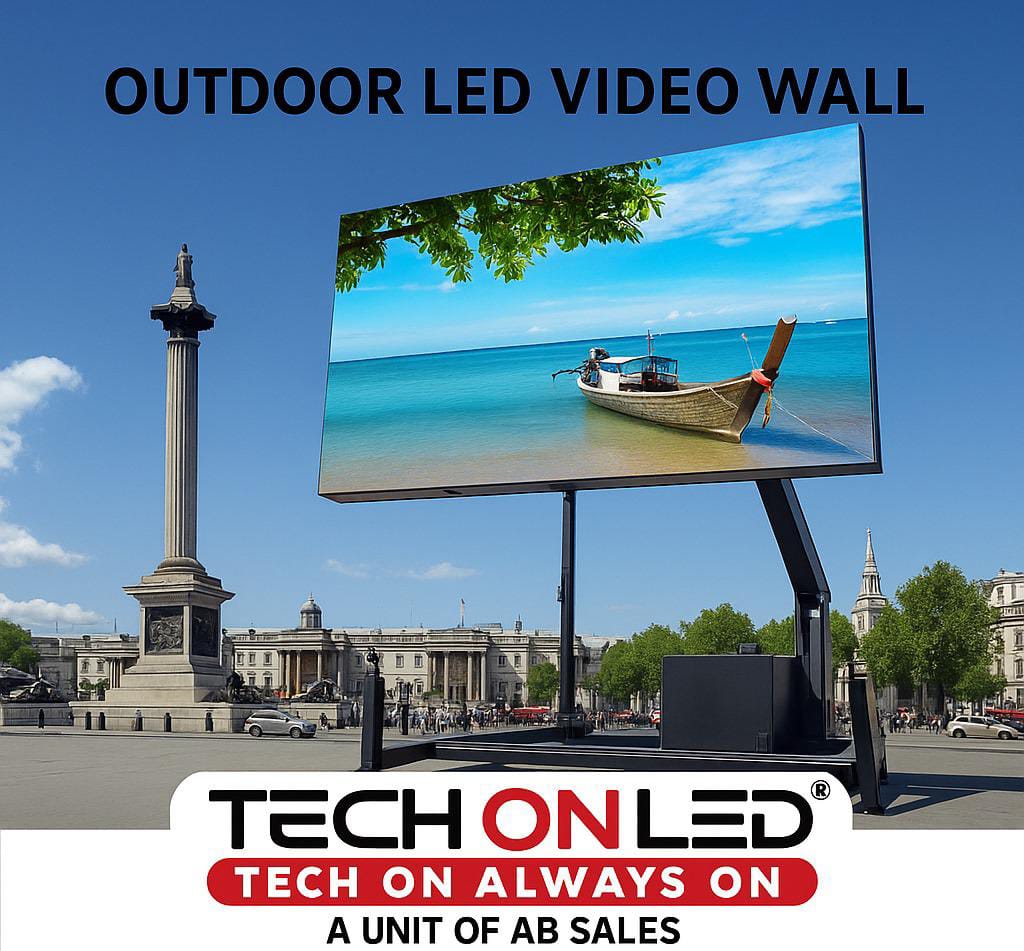
Outdoor Video Walls: A Guide to Clear, Reliable Displays
An outdoor video wall is a large-format display made up of multiple screens or LED panels working together to show one seamless image. Designed for use in open or semi-open environments, it can deliver announcements, advertising, live video and public information where ordinary indoor displays may not be suitable.
From shopping centres and transport hubs to stadiums, campuses and city spaces, outdoor video walls help organisations communicate with large audiences. Choosing the right system involves more than selecting a screen size: brightness, weather protection, viewing distance, installation and ongoing maintenance all matter.
Where are outdoor video walls used?
- Retail and commercial spaces: Display promotions, brand campaigns and wayfinding information.
- Stadiums and event venues: Show live footage, scores, schedules and event messages.
- Transport locations: Share travel updates and public announcements at stations, terminals and other busy sites.
- Corporate campuses and institutions: Communicate news, safety information and event details.
- Public spaces: Provide community notices, civic information and emergency messages.
Key features to consider
Brightness and visibility
Outdoor displays need to remain readable in changing light, including bright daylight. Brightness is generally measured in nits. The suitable level depends on the location, whether the screen is in direct sunlight, and how far away viewers will be. Automatic brightness control can adjust the display to ambient conditions, helping maintain visibility while avoiding unnecessary brightness at night.
Weather and dust protection
Outdoor equipment may be exposed to rain, dust, humidity and temperature changes. Check the display’s ingress protection (IP) rating and confirm that the complete installation—including connections, cabinets and supporting equipment—is appropriate for the site. Local climate and exposure should be considered during system selection.
Pixel pitch and viewing distance
Pixel pitch is the distance between the centres of neighbouring pixels. A smaller pixel pitch can provide more detail at closer viewing distances, while a larger pitch may be suitable for displays viewed from farther away. The right choice depends on the audience’s typical distance and the kind of content being shown.
Screen size and aspect ratio
The display should suit the available space and the intended purpose. Consider the viewing area, mounting position, structural limits and content format. A carefully planned screen size can make messages easier to read without overwhelming the surroundings.
Reliability and service access
For a display that operates for long hours, reliability and ease of maintenance are important. Ask about component life, warranty terms, spare parts and the method used to access and service the panels. These factors can affect downtime and the total cost of ownership.
Planning an outdoor video wall installation
A successful installation begins with a site assessment. This should review sunlight direction, viewing distances, power availability, network connectivity, mounting structure and access for installation and servicing. The structure must be suitable for the display’s weight and local wind conditions, with appropriate engineering and safety measures.
It is also useful to plan how content will be managed. A content management system can help authorised users schedule and update material remotely. For public-facing displays, organisations should consider approval processes, emergency messaging and who is responsible for keeping information current.
Content and operation
Outdoor content should be easy to understand at a glance. Use clear typography, strong contrast and concise messages. Avoid placing important text too close to the edges, and test material at the actual viewing distance. For video, select formats and resolutions compatible with the display and its controller.
Brightness schedules, operating hours and energy use should also be considered. Where appropriate, automated controls can reduce brightness during darker periods and help the system operate efficiently.
Maintenance and safety
Regular inspections can help identify loose connections, damaged panels, water ingress or changes in image quality. Keep the display and ventilation areas clean according to the manufacturer’s instructions, and arrange servicing through suitably qualified personnel. Electrical safety, secure mounting and safe access for maintenance should be addressed from the outset.
Choosing the right solution
The best outdoor video wall is one selected for its location and intended use—not simply by screen size or initial price. Comparing brightness, pixel pitch, protection ratings, control options, installation requirements and after-sales support can help organisations make a more informed decision.
With careful planning and suitable equipment, an outdoor video wall can provide a highly visible and flexible platform for communication, information and digital display.
Outdoor LED Video Wall FAQs: Features, Price Range and 3×3 Wall Costs
- What is outdoor LED video wall?
- What is the price range for video wall?
- How much does a LED video wall cost?
- What is the cost of 3×3 video wall?
What is outdoor LED video wall?
An outdoor LED video wall is a large digital display made up of LED panels joined together to show images, videos, text and live content. Designed for outdoor use, it typically offers high brightness for visibility in daylight and protection against weather and dust. Outdoor LED video walls are commonly used at stadiums, shopping centres, transport hubs, events and public spaces for advertising, announcements and information.
What is the price range for video wall?
The price of an outdoor video wall in India varies according to its size, pixel pitch, brightness, weather protection, control system and installation requirements. As a broad guide, outdoor LED displays may cost around ₹8,000–₹25,000 or more per sq. ft., with premium specifications potentially costing more. Mounting structures, electrical work, content systems and after-sales support may be charged separately, so request a site-specific quotation for an accurate estimate.
How much does a LED video wall cost?
The cost of an LED video wall depends on factors such as screen size, pixel pitch, brightness, indoor or outdoor use, weather protection, control system, installation and ongoing support. Outdoor models may cost more because they need higher brightness and protection against weather and dust. As specifications and site requirements vary, it is best to request a tailored quotation based on the intended viewing distance, location and installation needs.
What is the cost of 3×3 video wall?
The cost of a 3×3 video wall depends on the size and type of its nine display panels, resolution or pixel pitch, brightness, outdoor weather protection, video wall controller, mounting structure and installation requirements. An outdoor-rated system may cost more than an indoor one because it needs suitable protection from rain, dust and heat. For an accurate quotation, share the required screen size, installation location, viewing distance and intended use with a supplier.