HID Card Access: A Convenient and Secure Way to Manage Entry
HID card access systems are widely used to manage entry to offices, residential complexes, factories, hospitals, educational institutions and other facilities. Instead of relying on traditional keys, an authorised person presents a card or credential to a reader. The system checks the credential and grants or denies access according to the permissions configured for that person.
What Is an HID Card Access System?
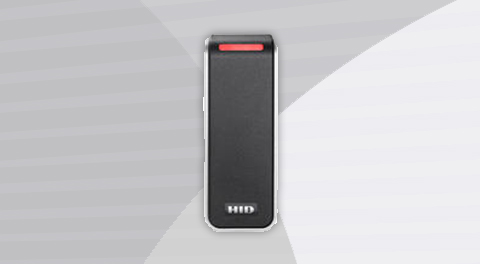
HID is a well-known brand of access control products and credentials. An HID card access system typically includes access cards or key fobs, card readers, door controllers, access control software and electronic locking hardware. Depending on the installation, it may also connect with systems such as CCTV, time and attendance, visitor management or building management platforms.
The term “HID card” is often used generally, but not every card works with every reader. Compatibility depends on the card technology, frequency, format and system configuration. Always check that credentials and readers are designed to work together.
How Does Card Access Work?
- Credential presentation: A user presents an authorised card or fob to a reader.
- Credential verification: The reader sends the credential information to a controller or access control system.
- Access decision: The system checks whether the user has permission to enter that door at that time.
- Door operation: If access is approved, the controller briefly releases the electronic lock. If access is denied, the door remains secured.
- Event recording: The system may record the event, including the credential used, the door and the time.
Common HID Credential Options
Access control systems may use different types of credentials, depending on the security requirements and installed equipment. Options can include proximity cards, smart cards, key fobs and mobile credentials. Some credentials are designed for basic identification, while others offer more advanced security features.
When selecting a credential, consider the reader technology, required security level, ease of issuing replacements and whether the system needs to support existing cards. An experienced access control provider can help confirm compatibility before a purchase or upgrade.
Benefits of HID Card Access
- Convenient entry: Users can access authorised areas without carrying a separate key for each door.
- Controlled permissions: Access can be assigned by person, door, date or time schedule.
- Quick access changes: Lost credentials can be disabled, and permissions can be updated without changing a mechanical lock.
- Audit trail: Access events can help administrators review activity and investigate incidents.
- Scalable design: A system can be planned for a single entry point or multiple doors across a larger site.
- Integration options: Depending on the equipment, card access may be integrated with other security and building systems.
Where Are HID Card Access Systems Used?
HID card access can be suitable for a wide range of environments, including corporate offices, IT rooms, warehouses, factories, schools, hospitals, hotels, apartment buildings and commercial facilities. It is particularly useful where different people require access to different areas or where entry records are important.
Planning a Card Access Installation
A successful installation starts with understanding how the site operates. Before choosing equipment, consider:
- The number and location of doors to be controlled
- The type of doors, locks and exit hardware already installed
- Who needs access to each area and at what times
- Whether visitor, contractor or temporary access is required
- How credentials will be issued, reported lost and replaced
- Whether access events need to be monitored or linked to other systems
- Power, network, backup and emergency-exit requirements
Door hardware and life-safety requirements should be assessed as part of the design. Access control must not obstruct safe emergency exit. Installation and configuration should be carried out by qualified professionals in accordance with applicable regulations and the site’s security requirements.
Security and Maintenance Best Practices
Card access is most effective when supported by good procedures. Remove or disable credentials promptly when a card is lost or when a user no longer requires access. Review permissions regularly, limit administrative access to authorised personnel and use secure settings supported by the installed system. For higher-risk areas, consider additional measures such as PIN verification, biometric authentication, security monitoring or an anti-passback feature, where appropriate.
Regular maintenance should include checking readers, locks, door contacts, power supplies, batteries and software. Periodic testing helps identify faults before they affect daily operations. It is also useful to maintain an up-to-date record of doors, users, credentials and access permissions.
Choosing the Right Solution
The right HID card access solution depends on the site, the desired level of security, the number of users and the equipment already in place. A professional site assessment can help determine reader locations, suitable credentials, locking hardware, system capacity and integration requirements. Confirm product compatibility and support arrangements before installation.
Conclusion
HID card access provides a practical way to manage entry, assign permissions and maintain access records. With compatible equipment, careful system design and regular maintenance, it can support a more organised and controlled approach to building security.
7 Essential Tips for Safe and Secure HID Access Card Use
- Keep your HID access card secure and do not lend it to anyone.
- Tap the card gently on the reader and wait for the green light.
- Report a lost or damaged card to your security team immediately.
- Do not let unknown people follow you through a secured door.
- Keep your card away from magnets and strong heat.
- Return your card when your access is no longer required.
- Contact building security if your card is not working.
Keep your HID access card secure and do not lend it to anyone.
Keep your HID access card secure and do not lend it to anyone. Your card is linked to your access permissions, so sharing it can allow an unauthorised person to enter restricted areas and may make it difficult to identify who accessed the premises. If your card is lost, stolen or damaged, report it to the administrator promptly so it can be disabled and replaced.
Tap the card gently on the reader and wait for the green light.
To use HID card access smoothly, gently tap your card against the reader and hold it steady for a moment. Wait for the green light or confirmation beep before opening the door. Avoid tapping repeatedly, as the reader may need a few seconds to verify your card and grant access.
Report a lost or damaged card to your security team immediately.
If your HID access card is lost or damaged, inform your security team immediately. A lost card could be used by someone else to enter areas without permission, while a damaged card may fail when you need it. Prompt reporting allows the team to deactivate the old card and issue a replacement, helping maintain security and minimise disruption.
Do not let unknown people follow you through a secured door.
Do not allow unknown people to follow you through a secured door without using their own access card. This practice, known as preventing “tailgating”, helps ensure that every person entering is authorised and that the access system maintains an accurate entry record. If someone needs access, politely direct them to use their own card or contact reception or security staff for assistance.
Keep your card away from magnets and strong heat.
Keep your HID access card away from magnets and strong heat to help prevent damage and ensure it continues to work reliably. Avoid leaving it near magnetic closures, speakers, heaters, hot car dashboards or direct sunlight for long periods. Store your card in a cool, dry place and handle it carefully to protect its internal components.
Return your card when your access is no longer required.
Return your HID access card when you no longer need entry to the premises, such as after leaving a job, completing a contract or moving out of a property. This helps the administrator recover the card, deactivate it promptly and prevent unauthorised use. If the card is lost or cannot be returned, inform the responsible security team immediately so it can be disabled.
Contact building security if your card is not working.
If your HID access card is not working, contact the building security team rather than trying to force the door or use someone else’s card. They can check whether your access permissions are active, test the card and reader, and arrange a replacement if the card is damaged or lost. Until the issue is resolved, follow the building’s visitor and entry procedures to ensure safe and authorised access.