Automatic Fire Alarm System: How It Works and Why It Matters
Fire can spread quickly, putting lives, property and business operations at risk. An automatic fire alarm system helps detect early signs of fire and alert people so they can respond promptly. It is an important part of a building’s fire-safety arrangements, alongside suitable evacuation plans, fire-fighting equipment and other protective measures.
What Is an Automatic Fire Alarm System?
An automatic fire alarm system is a network of devices that detects conditions associated with fire—such as smoke, heat or flame—and raises an alert. Depending on the system design, it may also send a signal to a continuously monitored control room or trigger approved interfaces with other building systems.
A fire alarm system detects and warns; it does not, by itself, put out a fire. Fire suppression systems, such as sprinklers or gas-based systems, are separate systems that may be designed to work alongside the alarm system.
Main Components
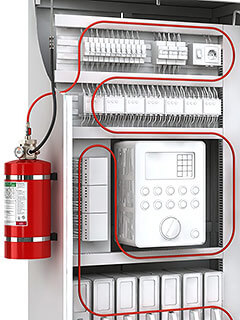
- Fire alarm control panel: The central unit receives information from detectors and manual call points, identifies alarm or fault conditions, and operates the notification devices.
- Smoke detectors: These sense smoke particles and are commonly used in areas where smoke is likely to provide early warning. The appropriate detector type and location depend on the room and its conditions.
- Heat detectors: These respond to a fixed temperature or a rapid rise in temperature. They may be suitable for environments where dust, steam or cooking fumes could cause unwanted smoke-detector alarms.
- Flame detectors: These detect the radiation produced by flames and are used in selected applications following a proper risk assessment.
- Manual call points: These allow a person who discovers a fire to raise the alarm manually.
- Sounders, bells and visual alarm devices: These alert occupants using audible and, where required, visual signals.
- Power supply and standby batteries: These provide power during normal operation and help keep the system running during a mains failure, as designed.
- Cables, modules and interfaces: These connect system devices and may support approved connections to equipment such as lift controls, ventilation systems or fire doors.
How Does It Work?
- Detection: A detector senses smoke, heat or another specified fire indicator, or someone activates a manual call point.
- Signal processing: The control panel receives the signal and indicates the location or zone in alarm. The exact level of detail depends on whether the system is conventional or addressable.
- Alert: Sounders and other notification devices warn people in the affected areas, according to the system’s programmed operation.
- Response: Occupants follow the building’s emergency procedures. If the system is connected to a monitoring service, the signal may also be communicated to the designated response team.
Conventional and Addressable Systems
In a conventional system, devices are grouped into zones. When an alarm occurs, the control panel identifies the zone in which the signal originated, but may not identify the individual detector.
An addressable system assigns an identity to each device. This can help trained staff locate the alarm or fault more precisely. The choice between system types depends on factors such as the size and layout of the premises, the required level of detail, the operating environment and the applicable design requirements.
Where Are Fire Alarm Systems Used?
Automatic fire alarm systems are used in a wide range of premises, including offices, shops, residential buildings, hospitals, educational institutions, hotels, warehouses and factories. Each site has different fire risks and occupancy needs. Detector types, device locations, alarm coverage and interfaces should therefore be selected for the specific building rather than copied from a generic layout.
Why Is Correct Design and Installation Important?
A system is effective only when it is appropriately designed, installed, commissioned and maintained. Poor detector placement, unsuitable equipment or inadequate notification coverage can delay warnings or lead to unwanted alarms. A competent fire-safety professional should assess the premises, its use and relevant risks before recommending a solution.
In India, the design and maintenance of fire alarm systems should be considered in line with applicable local fire-service requirements, building regulations and relevant standards, including the applicable provisions of IS 2189 and the National Building Code of India. Requirements can vary by building type and jurisdiction, so confirm the latest applicable rules with the relevant authority and qualified professionals.
Inspection, Testing and Maintenance
Regular inspection and testing help keep a fire alarm system dependable. A maintenance programme should follow the manufacturer’s instructions and applicable requirements, and should be carried out by trained personnel. It may include checking the control panel, detectors, manual call points, sounders, batteries, wiring and system interfaces.
- Keep the control panel accessible and ensure alarm and fault indications are addressed promptly.
- Do not paint over, obstruct or cover detectors and call points.
- Record inspections, tests, faults and repairs in a maintenance log.
- Inform occupants and relevant staff about alarm signals and evacuation procedures.
- Arrange a professional review if the building layout, use or occupancy changes.
Choosing a Fire Alarm Solution
Before selecting a system, consider the building’s size, layout, occupancy, fire risks, environmental conditions and future requirements. Also consider how the alarm will be heard or seen in different areas, how faults will be reported, and whether monitoring or approved building-system interfaces are needed. A site assessment can help identify the right approach.
Conclusion
An automatic fire alarm system can provide valuable early warning and support a quicker, more organised response to a fire. Its performance depends on suitable design, correct installation, clear evacuation procedures and regular maintenance. For a reliable solution, seek guidance from qualified fire-safety professionals and ensure the system meets the requirements applicable to your premises.
Automatic Fire Alarm Systems in India: 9 Frequently Asked Questions
- What is an automatic fire alarm system?
- How does an automatic fire alarm system work?
- What are the main components of a fire alarm system?
- What is the difference between conventional and addressable fire alarm systems?
- Where should smoke and heat detectors be installed?
- How often should an automatic fire alarm system be inspected and tested?
- What causes false alarms in fire alarm systems?
- Can a fire alarm system operate during a power failure?
- Which fire alarm standards and regulations apply to buildings in India?
What is an automatic fire alarm system?
An automatic fire alarm system is a network of devices that detects signs of fire, such as smoke or rising heat, and alerts people in the building. Detectors send signals to a control panel, which activates sounders, bells or visual alarms so occupants can follow the building’s emergency procedures. Depending on its design, the system may also notify a monitoring service or connect to other approved building safety systems.
How does an automatic fire alarm system work?
An automatic fire alarm system uses detectors to identify signs of fire, such as smoke, heat or flame. When a detector senses a potential fire, it sends a signal to the control panel, which activates sounders and visual alarms to alert occupants. Depending on its design, the system may also identify the affected zone or device and send an alert to a monitoring service. Occupants should then follow the building’s emergency and evacuation procedures.
What are the main components of a fire alarm system?
The main components of a fire alarm system include the control panel, which receives signals and indicates alarms or faults; detectors, such as smoke, heat or flame detectors; manual call points for raising the alarm by hand; and notification devices, such as sounders, bells and visual alarms, to alert occupants. The system also includes a power supply with standby batteries, along with cables and interface modules that connect the devices and, where required, link the alarm to other building systems.
What is the difference between conventional and addressable fire alarm systems?
A conventional fire alarm system groups detectors and manual call points into zones, so the control panel indicates the zone where an alarm or fault has occurred but may not identify the individual device. An addressable system gives each device a unique address, allowing the panel to show more precisely which detector or call point has activated. Conventional systems may suit smaller or simpler premises, while addressable systems can make it easier to locate alarms and faults in larger or more complex buildings. The right choice depends on the building’s layout, fire risks, operational needs and applicable regulations.
Where should smoke and heat detectors be installed?
Smoke detectors are generally installed on the ceiling, or high on a wall, in areas such as corridors, bedrooms and escape routes, following the manufacturer’s instructions and applicable fire-safety requirements. Heat detectors are often more suitable for kitchens, garages or other areas where cooking fumes, dust or steam could cause unwanted smoke alarms. Detector placement depends on the building layout, ceiling height, ventilation and specific risks, so avoid locations near air-conditioning vents, fans or other sources of airflow that may affect detection. Have a competent fire-safety professional determine the positions and spacing for your premises, and do not install detectors in bathrooms or other unsuitable locations unless the system design specifically calls for it.
How often should an automatic fire alarm system be inspected and tested?
An automatic fire alarm system should be inspected and tested at intervals set by the applicable Indian regulations, relevant standards, manufacturer’s instructions and the building’s fire-safety plan. Routine checks may be carried out by trained site staff, while periodic servicing and functional testing should be performed by a qualified fire-alarm professional. Keep a record of inspections, tests, faults and repairs, and arrange an immediate check if the system shows a fault or the building’s layout or use changes. For the correct schedule, consult the system manufacturer and the relevant local fire authority.
What causes false alarms in fire alarm systems?
False alarms in fire alarm systems can be caused by dust, insects, steam, cooking fumes, high humidity, or sudden temperature changes affecting a detector. Poorly maintained or damaged devices, incorrect detector placement, electrical faults, and accidental activation of a manual call point can also trigger an alarm. Regular inspection and cleaning by trained professionals, along with choosing suitable detectors for each area, can help reduce unwanted alarms. Never ignore an alarm; follow the building’s fire-safety procedures and have the system checked if false alarms occur repeatedly.
Can a fire alarm system operate during a power failure?
Yes, an automatic fire alarm system can continue to operate during a mains power failure if it is correctly designed and maintained. Most systems include a standby power supply, typically rechargeable batteries in the control panel, to power essential components for a specified period. The actual backup duration depends on the system design, battery condition and applicable requirements. Regular inspection and testing are important to confirm that the batteries are working properly.
Which fire alarm standards and regulations apply to buildings in India?
In India, fire alarm system requirements may be guided by the National Building Code of India (NBC), particularly Part 4 on Fire and Life Safety, and relevant Indian Standards, including IS 2189 for the selection, installation and maintenance of automatic fire detection and alarm systems. The applicable requirements can also depend on the building’s occupancy, height, size, local building bye-laws, state fire-service rules and the conditions set by the local fire authority. As regulations and amendments may change, building owners should confirm the current requirements with the relevant authority and consult a qualified fire-safety professional.