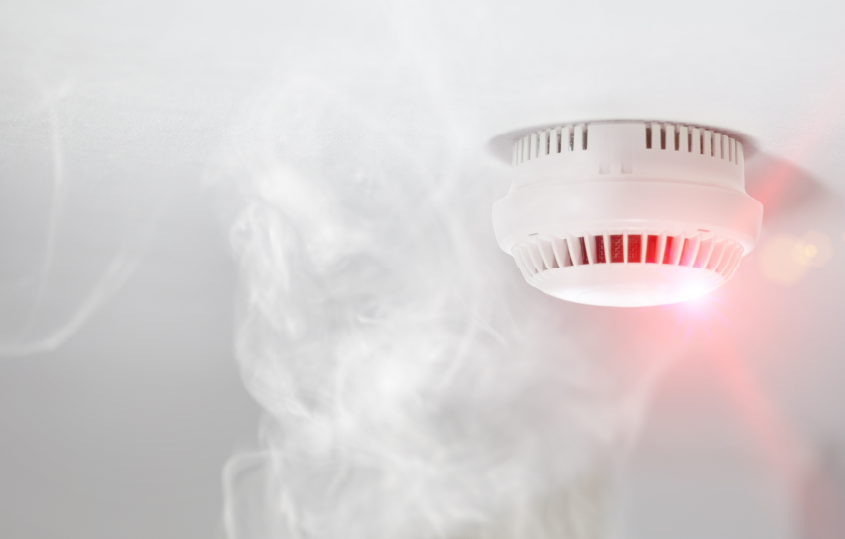
Fire Alarm Smoke Detectors: How They Work and Why They Matter
A fire can spread quickly, putting people, property and essential operations at risk. A fire alarm smoke detector helps identify smoke at an early stage and alert occupants so they can respond promptly. When selected, installed and maintained correctly, smoke detectors are an important part of a building’s fire safety system.
What is a smoke detector?
A smoke detector is a device that senses smoke particles in the air. Depending on its design, it may sound an alarm itself or send a signal to a fire alarm control panel. The panel can then activate audible and visual alarms, notify monitoring staff or trigger other programmed responses.
Smoke detectors are used in homes, offices, shops, hotels, schools, hospitals, factories, warehouses and other buildings. The appropriate type and arrangement depend on the premises, the activities carried out there and the applicable fire safety requirements.
How does a smoke detector work?
Most smoke detectors use one of two sensing technologies:
- Photoelectric detectors: These use a light source and a sensor. When smoke enters the sensing chamber, it changes the light reaching the sensor and triggers an alarm. Photoelectric detectors are often effective at identifying smouldering fires, which can produce significant smoke before flames appear.
- Ionisation detectors: These detect changes in an electrical current inside a sensing chamber when smoke enters it. They may respond quickly to some fast-flaming fires. Their use and suitability should be assessed against current product and safety requirements.
Some devices use more than one sensing method or combine smoke detection with heat detection. In a larger or more complex building, detectors are commonly connected to a central fire alarm system rather than operating as standalone units.
Smoke detector and fire alarm: what is the difference?
A smoke detector senses smoke. A fire alarm system is the wider arrangement that detects fire conditions and alerts people. It may include smoke and heat detectors, manual call points, a control panel, sounders, visual alarm devices, batteries and communication equipment.
In a standalone arrangement, the detector may have a built-in sounder. In a connected system, the detector reports to the control panel, which activates alarms across the relevant area or building. The right configuration depends on the building’s size, layout and fire safety plan.
Where should smoke detectors be installed?
Detector placement affects how quickly smoke can be identified. A qualified fire alarm professional should assess the site and design the system in accordance with applicable Indian requirements, relevant standards and local authority conditions.
As a general guide, detectors may be considered in circulation areas and other suitable locations where smoke is likely to reach them promptly. Placement should take account of:
- Ceiling height, shape and construction
- Air movement, ventilation and air-conditioning outlets
- Potential sources of dust, steam, fumes or cooking smoke
- Partitions, beams, storage arrangements and changes in room use
- Access for inspection, testing and maintenance
Detectors should not be positioned casually near ventilation outlets or in locations where routine activity could cause repeated false alarms. They should also remain accessible and unobstructed. The exact number and location of devices should be determined through a proper design, not by guesswork.
Choosing the right smoke detector
Before selecting a detector, consider the building’s use, environmental conditions and the type of fire alarm system required. Important factors include:
- Application: Residential, commercial, industrial and public buildings may have different detection needs.
- System compatibility: Detectors connected to a fire alarm panel must be compatible with the panel and system design.
- Operating environment: Dust, humidity, temperature changes and airborne particles can affect performance.
- Alarm and monitoring requirements: Consider how occupants will be alerted and whether signals need to reach a control room or monitoring service.
- Product quality and compliance: Select suitable, tested products and confirm relevant approvals and standards for the project.
- Maintenance access: The devices must be accessible for periodic inspection and testing.
Installation and maintenance
Smoke detectors should be installed by trained professionals as part of a properly designed fire safety system. Incorrect positioning, incompatible equipment or poor wiring can reduce reliability. After installation, the system should be commissioned and checked to confirm that detectors, the control panel and alarm devices operate as intended.
Regular maintenance helps keep the system ready for use. A maintenance programme may include:
- Checking the control panel for faults or warning indications
- Testing detectors and alarm devices according to the manufacturer’s instructions
- Keeping detector openings clean and free from obstruction
- Checking batteries, backup power and system connections
- Recording inspections, tests, faults and corrective work
- Reviewing the system when a building layout or use changes
Testing frequency and procedures should follow the manufacturer’s guidance, the system design and applicable regulations. A detector that is damaged, faulty or repeatedly triggering false alarms should be inspected by a competent service provider rather than disconnected without an alternative safety measure.
Common causes of false alarms
False alarms can occur when smoke detectors are exposed to dust, steam, cooking fumes, aerosols or other airborne particles. Poor placement, a dirty sensing chamber, unsuitable equipment or a fault in the system may also contribute.
Repeated false alarms should be investigated. The solution may involve cleaning or replacing a detector, changing its location or selecting a device suited to the environment. Any changes should be made by a qualified professional and must not compromise fire protection.
Benefits of a properly designed smoke detection system
- Earlier warning of a possible fire
- More time for occupants to evacuate safely
- Support for an organised emergency response
- Improved protection for property and operations
- Integration with a wider fire alarm and safety system
A smoke detector cannot prevent every fire, and it is not a replacement for safe practices, evacuation planning or other fire protection measures. It is one part of a complete approach that may also include manual call points, fire extinguishers, emergency lighting, clear escape routes and regular staff training.
Conclusion
A fire alarm smoke detector can provide an important early warning when smoke is present. Its effectiveness depends on choosing a suitable device, placing it correctly, connecting it to the appropriate alarm system and maintaining it regularly. For a home or commercial premises, a professional assessment can help identify the right solution for the building and its occupants.
8 Essential Smoke Detector Installation and Maintenance Tips for a Safer Home
- Install smoke detectors on every floor of your home.
- Place one inside each bedroom and outside sleeping areas.
- Fit detectors on the ceiling or high on a wall.
- Test each detector once a month.
- Replace batteries as recommended by the manufacturer.
- Clean detectors regularly to remove dust and insects.
- Never disable a detector while cooking; use the hush button if needed.
- Replace the entire detector by its expiry date, usually after 10 years.
Install smoke detectors on every floor of your home.
Install smoke detectors on every floor of your home to help provide early warning wherever a fire starts. Place them in suitable locations, such as near bedrooms and along escape routes, while following the manufacturer’s instructions and local fire safety guidance. Test each detector regularly, keep it free from dust and obstructions, and replace batteries or units as recommended.
Place one inside each bedroom and outside sleeping areas.
Install a smoke detector inside every bedroom and outside sleeping areas, such as in the hallway near the bedrooms. This helps provide an early warning whether people are asleep with the door closed or moving through the corridor. Follow the manufacturer’s installation instructions and applicable fire safety requirements, and test the detectors regularly to ensure they are working properly.
Fit detectors on the ceiling or high on a wall.
Install smoke detectors on the ceiling or high on a wall, as smoke usually rises and collects near the top of a room. Follow the manufacturer’s instructions and applicable fire safety requirements for the exact position, keeping detectors away from corners, vents and areas where dust or steam may cause false alarms.
Test each detector once a month.
Test each fire alarm smoke detector once a month to check that it can alert you if smoke is detected. Follow the manufacturer’s instructions, usually by pressing and holding the test button until the alarm sounds. If a detector does not respond, check its power supply or battery and arrange a replacement or professional inspection. Testing confirms that the alarm is working, but it does not replace regular cleaning and maintenance.
Replace batteries as recommended by the manufacturer.
Replace the smoke detector batteries as recommended by the manufacturer to help ensure the device remains ready to operate during a fire. Do not ignore low-battery alerts, and use only the battery type specified for the detector. After replacing the battery, test the detector according to the instructions and record the replacement as part of your regular fire safety checks. If your detector has a sealed, long-life battery, replace the entire unit when its service life ends or as directed by the manufacturer.
Clean detectors regularly to remove dust and insects.
Clean fire alarm smoke detectors regularly to remove dust, insects and other debris that may interfere with their sensors or cause false alarms. Follow the manufacturer’s instructions, using a soft brush or vacuum attachment where recommended, and avoid spraying cleaners or water directly onto the device. If a detector is damaged or continues to trigger false alarms after cleaning, have it checked by a qualified professional.
Never disable a detector while cooking; use the hush button if needed.
Never disable a fire alarm smoke detector while cooking, even if steam or cooking fumes trigger a nuisance alarm. A disabled detector cannot warn you if a real fire starts. If your unit has a hush button, use it as directed to temporarily silence the alarm, then ventilate the area and allow the detector to reset. Keep the detector clean and follow the manufacturer’s instructions; if nuisance alarms happen often, have its location or suitability checked by a qualified professional.
Replace the entire detector by its expiry date, usually after 10 years.
Replace the entire smoke detector by the expiry date stated by the manufacturer; many models need replacement after about 10 years. Over time, sensors and electronic components can become less reliable, even if the detector still appears to work. Check the date on the device or in its manual, and install a compatible replacement promptly. If the expiry date is unclear, consult the manufacturer or a qualified fire safety professional.