Heat Detector Sensor: How It Works, Types and Applications
A heat detector sensor is a fire-safety device that identifies an unusual rise in temperature or a temperature that has reached a set level. When it detects a potentially dangerous heat condition, it sends a signal to a fire alarm control panel, which can activate alarms and other connected safety systems.
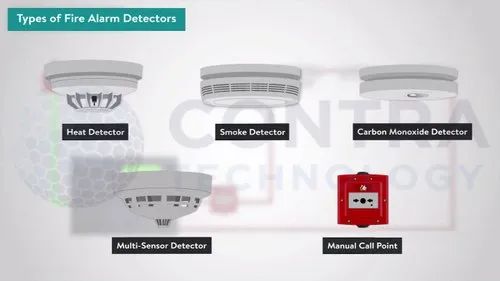
Heat detectors are commonly used alongside smoke detectors as part of a broader fire detection system. They can be particularly useful in places where dust, fumes, steam or cooking activity may cause frequent false alarms from smoke detection equipment.
How Does a Heat Detector Work?
A heat detector monitors the temperature in the area where it is installed. When the temperature meets the detector’s operating criteria, the device triggers an alarm signal. Depending on the model and system design, it may respond to a specific temperature threshold, a rapid increase in temperature, or both.
Heat detectors are generally connected to a fire alarm system. Once activated, the system may alert occupants and, where configured, notify a monitoring station or operate other compatible safety equipment.
Common Types of Heat Detectors
Fixed-Temperature Heat Detectors
A fixed-temperature detector activates when the surrounding temperature reaches a pre-set level. It is designed to respond when heat rises to that threshold, even if the increase has been gradual.
Rate-of-Rise Heat Detectors
A rate-of-rise detector responds when the temperature increases rapidly over a short period. This can help identify a developing fire before the area reaches the fixed-temperature threshold. The exact response depends on the detector’s design.
Combination Heat Detectors
Some devices combine fixed-temperature and rate-of-rise functions. This gives the detector more than one way to identify a potentially hazardous heat condition.
Where Are Heat Detectors Used?
Heat detectors are often considered for areas where smoke, dust or normal operating conditions could make smoke detectors unsuitable. Possible applications include:
- Kitchens and cooking areas
- Boiler rooms and plant rooms
- Garages and workshops
- Warehouses and industrial spaces
- Areas where dust or vapour is routinely present
- Locations where equipment generates heat during normal operation
The right device depends on the building, its use, environmental conditions and applicable fire-safety requirements. A qualified fire-safety professional can help determine the appropriate detector type and location.
Heat Detector vs Smoke Detector
A smoke detector senses smoke particles, while a heat detector responds to temperature conditions. Smoke detectors can provide earlier warning in many types of fire, as smoke may develop before a significant rise in temperature. Heat detectors can be more suitable in environments where smoke, dust or steam could lead to unwanted alarms.
These devices serve different purposes and should not be treated as interchangeable. A fire alarm design may use both types in different areas, based on a site assessment and relevant regulations.
Benefits of Heat Detector Sensors
- Suitable for challenging environments: They can be useful in areas where smoke detection may be affected by normal dust, steam or fumes.
- Fire alarm system integration: Compatible detectors can be connected to a fire alarm control panel for coordinated alerts.
- Different detection options: Fixed-temperature, rate-of-rise and combination models support different site requirements.
- Support for layered fire protection: Heat detectors can form part of a wider system that may include smoke detectors, alarms and other safety measures.
Installation and Maintenance
Correct placement is essential for reliable fire detection. A detector that is poorly positioned, obstructed or exposed to unsuitable conditions may not perform as intended. Installation should follow the manufacturer’s instructions, the approved fire-alarm design and applicable local requirements.
Regular inspection and testing help confirm that the detector and connected alarm system are operating correctly. Maintenance may include checking the device for damage or obstruction, testing it using the recommended method, and recording results as required by the site’s maintenance plan. Heat detectors should not be painted, covered or modified.
Choosing the Right Heat Detector
Before selecting a heat detector, consider the room’s normal temperature range, the presence of dust or vapour, the expected fire risks, the type of fire alarm system and compatibility with the control panel. Also check the product’s specifications and certification for the intended application.
A heat detector sensor can be a valuable part of a building’s fire-safety system when selected, installed and maintained correctly. For a dependable solution, consult a qualified fire-alarm professional and ensure the complete system meets applicable safety requirements.
Heat Detector Sensors: 7 Frequently Asked Questions
- How does a heat sensor work?
- Which sensor is used in heat detector?
- What are the two types of heat detectors?
- What sensor detects heat?
- What do heat sensors detect?
- How does a heat detector work?
- Which sensor is used in a heat detector?
How does a heat sensor work?
A heat sensor works by monitoring the temperature around it and detecting either a rapid rise in heat or a temperature that reaches a pre-set level. When these conditions are met, the sensor sends a signal to the fire alarm control panel, which can activate an alarm or other connected safety systems. The exact response depends on the type of detector, such as a fixed-temperature, rate-of-rise or combination model.
Which sensor is used in heat detector?
A heat detector may use a thermistor, thermocouple or bimetallic element, depending on its design. A thermistor detects changes in temperature through a change in electrical resistance, while a bimetallic element bends as it heats up. Fixed-temperature detectors respond when a set temperature is reached, whereas rate-of-rise models detect a rapid increase in temperature. The sensor used varies by model, so check the manufacturer’s specifications.
What are the two types of heat detectors?
The two main types of heat detectors are fixed-temperature and rate-of-rise detectors. A fixed-temperature detector activates when the surrounding temperature reaches a pre-set level, while a rate-of-rise detector responds to a rapid increase in temperature. Some models combine both detection methods for added coverage.
What sensor detects heat?
A heat detector sensor detects rising temperatures or a specific temperature threshold to identify a potential fire. Depending on its type, it may respond when the temperature reaches a pre-set level or rises rapidly. Heat detectors are commonly used in areas where smoke, dust or steam could trigger false alarms, such as kitchens, workshops and plant rooms.
What do heat sensors detect?
Heat sensors detect changes in temperature. Depending on the type, a heat detector may activate when the temperature reaches a pre-set level or rises unusually quickly, which can indicate a possible fire. Unlike smoke detectors, heat sensors respond to heat rather than smoke particles, making them useful in areas where dust, steam or cooking fumes may cause false alarms.
How does a heat detector work?
A heat detector monitors the temperature in an area and triggers an alarm signal when it reaches a preset level or rises rapidly, depending on the detector type. The signal is sent to the fire alarm control panel, which can alert occupants and activate other connected safety systems. Unlike a smoke detector, it responds to heat rather than smoke particles.
Which sensor is used in a heat detector?
A heat detector commonly uses a thermistor, thermocouple or bimetallic element to sense temperature changes. The specific sensor depends on the detector’s design: a fixed-temperature model activates when the surrounding temperature reaches a set point, while a rate-of-rise model detects a rapid increase in temperature. Some heat detectors combine both functions. Always check the product specifications to confirm the sensor type and suitability for the intended location.