Portable Surveillance Cameras: Flexible Security Wherever You Need It
Security needs can change from one site to another. A construction project may require monitoring for a few weeks, while an event venue may need additional coverage for just a few days. A portable surveillance camera offers a flexible way to monitor locations without relying on a permanent camera installation.
What Is a Portable Surveillance Camera?
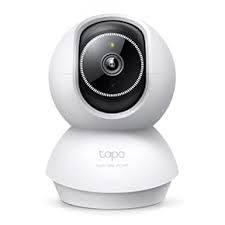
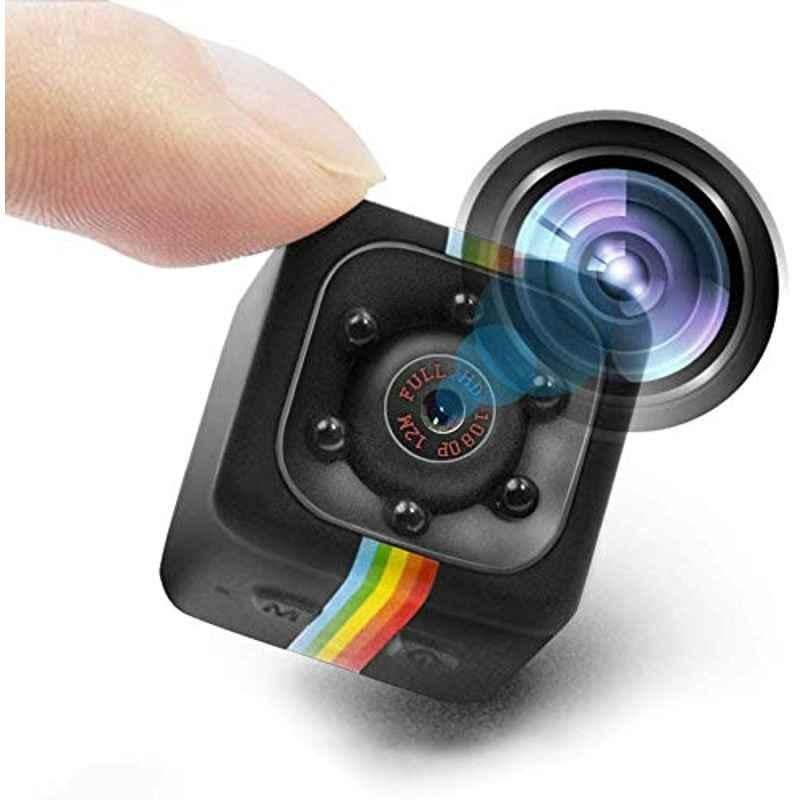
A portable surveillance camera is a camera system designed to be moved and set up at different locations. Depending on the model and application, it may be mounted on a tripod, pole, temporary structure or mobile surveillance unit. Some systems operate using a local power supply, while others may use batteries or solar power. Video can be recorded locally or transmitted over a network for remote viewing.
Portable systems range from individual cameras to integrated units with multiple cameras, recording equipment, communications hardware and optional lighting. The right configuration depends on the site, monitoring period and available infrastructure.
Where Are Portable Cameras Used?
- Construction sites: Monitor equipment, materials, site entrances and work areas as projects progress.
- Events and festivals: Add temporary coverage around entry points, public areas and operational zones.
- Parking areas: Observe vehicle movement and activity in temporary or remote parking locations.
- Roadworks and infrastructure projects: Support monitoring of work zones and equipment where permanent systems may not be practical.
- Temporary facilities: Provide video coverage at pop-up sites, storage areas and short-term operations.
- Emergency response: Help establish situational awareness at locations where fixed surveillance infrastructure is unavailable.
Key Features to Consider
Power options
Check how the system will be powered at the intended location. Mains power may be suitable where a supply is available. Battery-powered or solar-assisted systems can be useful at sites with limited infrastructure, but operating time depends on camera settings, weather, battery capacity and communications equipment.
Connectivity
Portable cameras may send footage over a wired network, Wi-Fi or a mobile data connection, depending on the system. Before installation, confirm that the chosen connection is available and reliable at the site. Consider data usage, signal strength and whether the system can continue recording if the connection is interrupted.
Image quality and coverage
Choose a camera based on the area to be monitored, the level of detail required and the lighting conditions. A wide field of view may cover a broad area, while a pan-tilt-zoom camera can be directed towards specific locations. For night-time monitoring, check the camera’s low-light performance and any infrared or supplementary lighting features.
Recording and storage
Find out whether footage is stored on a memory card, network video recorder or secure cloud platform. Review the available storage capacity, recording settings and retention period. If remote access is required, check how users can view footage and manage permissions.
Weather and site conditions
For outdoor use, confirm that the camera and its enclosure are suitable for the expected weather and environmental conditions. Dust, rain, heat, vibration and the risk of tampering can all affect equipment selection and placement.
Mounting and portability
Consider how the camera will be transported, positioned and secured. The mounting arrangement should be stable and appropriate for the location. A portable system should also be accessible for inspection, maintenance and repositioning without creating hazards for workers or the public.
Benefits of a Portable Surveillance Camera
- Flexible placement: Coverage can be moved as site requirements change.
- Useful for temporary needs: A portable system can be considered when a permanent installation is not practical.
- Remote monitoring options: Depending on connectivity and system configuration, authorised users may be able to view live or recorded footage remotely.
- Scalable coverage: Systems can be configured for different site sizes and monitoring requirements.
- Support for site operations: Recorded video may help authorised personnel review incidents and understand activity, subject to applicable policies and laws.
Planning a Portable Camera Installation
Start by identifying the areas that need monitoring and the purpose of the system. Consider camera positions, blind spots, power supply, connectivity and the expected duration of use. Make sure the camera is placed securely and does not obstruct walkways, emergency exits or traffic routes.
It is also important to establish who can access the footage, how long it will be retained and how it will be protected. Use strong passwords, restrict access to authorised users and keep equipment and software maintained. Where cameras capture people, display appropriate notices and follow applicable privacy and data-protection requirements.
Choosing the Right Solution
The best portable surveillance camera is one that suits the location and the intended use. A small temporary site may need a straightforward camera with local recording, while a larger or remote site may require multiple cameras, mobile connectivity and an independent power arrangement. Review the complete system—not just the camera—including mounting, recording, communications, power and ongoing support.
With careful planning, portable surveillance can provide adaptable video coverage for temporary and changing environments. Assessing site conditions and operational requirements before deployment helps ensure that the system is practical, reliable and appropriately managed.
Portable Surveillance Camera FAQs: Uses, Power, Remote Viewing and Buying Tips
- What is a portable surveillance camera?
- Where can portable surveillance cameras be used?
- How do portable surveillance cameras get power?
- Can I view footage from a portable surveillance camera remotely?
- Do portable surveillance cameras work at night and in bad weather?
- What should I consider when choosing a portable surveillance camera?
What is a portable surveillance camera?
A portable surveillance camera is a video monitoring system designed to be easily moved and set up at different locations. It can be used at places such as construction sites, events, temporary facilities and remote areas where permanent camera installations may not be practical. Depending on the model, it may use mains power, batteries or solar power, and can record footage locally or transmit it for remote viewing.
Where can portable surveillance cameras be used?
Portable surveillance cameras can be used wherever temporary or flexible security coverage is needed, including construction sites, events, festivals, car parks, roadworks, infrastructure projects, temporary storage areas and remote locations. They are useful when a permanent camera installation is impractical or when monitoring needs change as a site or project progresses. The camera’s power supply, connectivity, mounting and weather protection should be suited to the location.
How do portable surveillance cameras get power?
Portable surveillance cameras can be powered in several ways, depending on the model and location. Options include a mains electricity connection, rechargeable batteries, solar panels with battery storage, or a vehicle or generator supply. For remote sites without reliable power, a solar-powered system with battery backup may be suitable, though performance can vary with sunlight, weather and camera usage. Before installation, check the camera’s power requirements, expected operating time and backup arrangements.
Can I view footage from a portable surveillance camera remotely?
Yes, footage from a portable surveillance camera can often be viewed remotely, provided the system supports remote access and has a suitable internet connection, such as Wi-Fi, a wired network or mobile data. Depending on the setup, authorised users may be able to view live video or recorded footage through a secure app or web portal. Check the camera’s connectivity, data requirements and storage options, and use strong passwords with access limited to authorised users.
Do portable surveillance cameras work at night and in bad weather?
Yes, many portable surveillance cameras can operate at night and in bad weather, provided they are designed for the conditions. Night-time performance may be supported by infrared night vision or low-light technology, while weather-resistant housings help protect outdoor cameras from rain, dust and temperature changes. Performance can vary with the camera model, lighting, weather severity and power or connectivity available, so check the product’s specifications and install the unit securely in a suitable location.
What should I consider when choosing a portable surveillance camera?
When choosing a portable surveillance camera, consider where and how long it will be used, the area that needs coverage and the level of image detail required. Check its power options—such as mains, battery or solar—and whether the site has reliable connectivity for remote viewing. Also review night-time performance, weather resistance, recording and storage capacity, mounting stability, ease of relocation and ongoing maintenance requirements. If the camera may capture people, plan for secure access to footage, suitable retention periods and compliance with applicable privacy and data-protection requirements.