
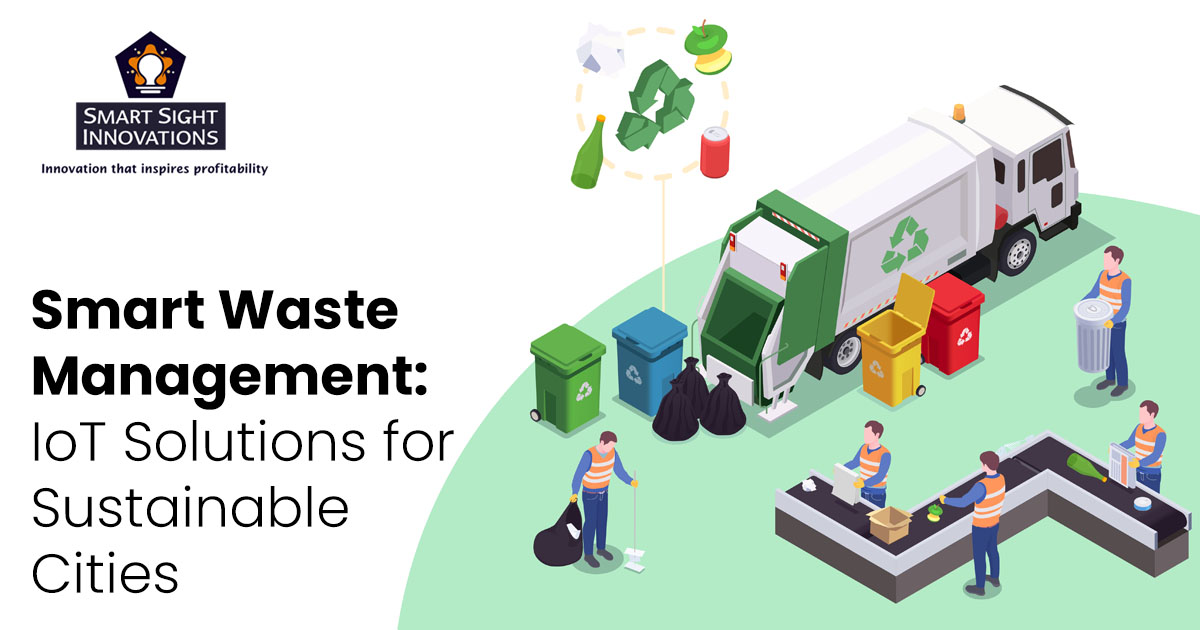
Smart City Waste Management: Building Cleaner, More Sustainable Cities
As cities grow, so does the amount of waste they produce. Managing that waste efficiently is essential for public health, environmental protection and a better quality of life. Smart city waste management uses digital technology, data and well-planned services to make waste collection and processing more efficient, transparent and sustainable.
What is smart city waste management?
Smart city waste management is the use of connected systems and data-led planning across the waste cycle. This can include waste segregation, collection, transport, processing and disposal. Technologies such as sensors, GPS, cameras and management software help city authorities and service providers understand what is happening on the ground and respond more effectively.
Technology is only one part of the solution. Public participation, reliable collection services, suitable infrastructure and clear operating procedures are equally important.
Key technologies and solutions
- Smart bins: Sensors can monitor how full a bin is and send alerts when it needs attention. This can help reduce overflowing bins and unnecessary collection trips.
- GPS-enabled collection vehicles: Vehicle tracking helps supervisors monitor routes, identify delays and improve service coverage.
- Route optimisation: Data on bin status, traffic and collection schedules can be used to plan more efficient routes and make better use of vehicles and staff.
- Centralised monitoring: A control room or integrated software platform can bring information from vehicles, bins and service teams together for easier monitoring and decision-making.
- Digital reporting: Mobile applications and online portals can allow residents and field staff to report missed collections, overflowing bins or other local issues.
- Material recovery and processing: Digital records can help track waste delivered to sorting centres, recycling facilities, composting plants and other authorised destinations.
Why smart waste management matters
When designed and managed well, smart systems can help cities deliver more dependable services. Better route planning may reduce fuel use and travel time, while timely collection can help prevent litter, odour and pest-related problems. Monitoring can also give authorities clearer information about service gaps and help them plan resources more effectively.
Smart waste management can support recycling and resource recovery as well. Separating waste at source makes it easier to direct recyclable materials to appropriate facilities and organic waste to composting or other treatment processes. This helps reduce the amount of waste sent to landfill.
Segregation is the foundation
Technology cannot compensate for waste that is mixed together. Households, businesses and institutions have an important role to play by separating waste according to local guidelines. Cities should provide clear instructions, suitable bins and regular collection arrangements for different waste streams.
Collection teams also need the right equipment and training to maintain segregation during transport. Consistent practices across homes, commercial premises, collection vehicles and processing facilities are essential for a system to work effectively.
Planning for implementation
Before introducing smart waste solutions, city authorities should assess local needs, existing services and available infrastructure. A practical implementation plan may include:
- Mapping waste generation points, collection routes and processing facilities.
- Setting clear service standards and responsibilities for all stakeholders.
- Selecting technology that is reliable, secure and suitable for local conditions.
- Training municipal teams, contractors and collection staff.
- Running a pilot project and reviewing the results before expanding.
- Measuring performance using indicators such as collection coverage, missed pickups, segregation levels and processing outcomes.
Challenges to consider
Smart city projects can face challenges, including the cost of equipment, network connectivity, maintenance requirements and the integration of data from different systems. Sensors and software need regular upkeep, and staff must be able to use the tools effectively. Privacy, cybersecurity and data governance should also be considered when collecting and storing operational information.
There is also a risk of investing in technology without improving the underlying service. For this reason, solutions should be chosen based on clearly identified problems, supported by realistic maintenance plans and assessed against measurable outcomes.
The role of citizens
Residents are key partners in keeping a city clean. Following segregation guidelines, using designated bins, avoiding littering and reporting service issues can support better outcomes. Awareness campaigns should be accessible and consistent, helping people understand what belongs in each waste stream and how their actions contribute to recycling and resource recovery.
Conclusion
Smart city waste management combines efficient services, responsible public participation and appropriate technology. From sensor-enabled bins to GPS tracking and centralised monitoring, digital tools can help cities make informed decisions and improve day-to-day operations. The strongest results come when these tools are backed by good planning, trained teams, effective segregation and reliable waste-processing infrastructure.
With a practical, integrated approach, cities can reduce waste-related challenges and move towards cleaner, healthier and more sustainable urban communities.
9 Key Benefits of Smart Waste Management for Cleaner, Healthier Cities
- Improves waste collection efficiency.
- Reduces overflowing bins and litter.
- Optimises vehicle routes and fuel use.
- Supports better waste segregation.
- Increases recycling and resource recovery.
- Helps reduce landfill waste.
- Enables faster response to service issues.
- Provides data for better city planning.
- Promotes cleaner and healthier communities.
7 Drawbacks of Smart City Waste Management
- High initial investment in sensors, vehicles and software.
- Ongoing maintenance can be costly.
- Systems depend on reliable internet connectivity.
- Technical failures may disrupt waste collection.
- Staff may need additional training.
- Data collection can raise privacy concerns.
- Technology cannot replace proper waste segregation.
Improves waste collection efficiency.
Smart city waste management improves collection efficiency by using technologies such as smart-bin sensors, GPS tracking and route optimisation. Sensors can alert teams when bins are nearing capacity, while GPS data helps supervisors monitor vehicles and adjust routes as needed. This allows collection teams to prioritise areas that need attention, reduce unnecessary trips and make better use of time, fuel and resources—helping keep public spaces cleaner and services more reliable.
Reduces overflowing bins and litter.
Smart city waste management helps reduce overflowing bins and litter by using sensors to monitor bin levels and alert collection teams when bins need to be emptied. Timely, data-led collection can prevent waste from spilling onto streets, reduce unpleasant odours and discourage pests, helping keep public spaces cleaner and more hygienic.
Optimises vehicle routes and fuel use.
Smart city waste management systems use GPS tracking and real-time data to plan more efficient collection routes. By directing vehicles to bins that need attention and avoiding unnecessary trips, these systems can reduce travel time, fuel consumption and operating costs. Optimised routes also help minimise traffic and vehicle emissions, supporting cleaner air and more sustainable city services.
Supports better waste segregation.
Smart city waste management supports better waste segregation by helping residents, businesses and collection teams separate different types of waste more consistently. Clear digital guidance, strategically placed bins and monitoring tools can make it easier to identify and address problems such as mixed or contaminated waste. When recyclable, organic and residual waste are collected separately, more materials can be sent for recycling or composting, reducing the amount that goes to landfill.
Increases recycling and resource recovery.
Smart city waste management increases recycling and resource recovery by helping cities track, sort and direct waste to the right facilities. Digital monitoring and better collection planning can support source segregation and ensure recyclable materials reach recycling centres, while organic waste can be sent for composting or other suitable treatment. Recovering useful materials reduces the amount of waste sent to landfills and helps conserve natural resources.
Helps reduce landfill waste.
Smart city waste management helps reduce the amount of waste sent to landfills by improving segregation, collection and recovery. Digital monitoring can help authorities track waste flows and direct recyclable materials to recycling facilities and organic waste to composting or other suitable treatment. By recovering more useful materials and managing waste more effectively, cities can reduce landfill dependence and support a cleaner, more sustainable environment.
Enables faster response to service issues.
Smart city waste management systems help teams respond to service issues more quickly by providing real-time updates on bin fill levels, collection vehicle locations and reported problems. When an overflowing bin, missed collection or route delay is identified, supervisors can alert the relevant team and take action sooner. Faster responses help keep public spaces cleaner, reduce complaints and prevent small issues from becoming larger problems.
Provides data for better city planning.
Smart city waste management provides valuable, real-time data on waste generation, collection patterns and service gaps across different areas. City planners can use these insights to identify high-demand locations, optimise collection routes, plan the placement of bins and allocate staff and vehicles more effectively. Over time, the data can also support decisions about recycling facilities and other waste infrastructure, helping cities plan services that better meet residents’ needs.
Promotes cleaner and healthier communities.
Smart city waste management helps create cleaner and healthier communities by supporting timely waste collection, reducing overflowing bins and preventing litter from accumulating in public spaces. Efficient monitoring and well-planned routes can also help limit unpleasant odours and discourage pests that may spread disease. When residents are encouraged to segregate waste and use designated bins, neighbourhoods become cleaner, safer and more pleasant places to live.
High initial investment in sensors, vehicles and software.
A major drawback of smart city waste management is the high initial investment required to install sensors, upgrade collection vehicles and implement specialised software. Cities may also need to spend on connectivity, staff training and ongoing maintenance, which can put pressure on public budgets. For smaller municipalities, these costs may make it difficult to adopt the system or expand it across the city, even when it could deliver long-term benefits.
Ongoing maintenance can be costly.
One challenge of smart city waste management is the ongoing cost of maintaining its technology and infrastructure. Sensors, smart bins, GPS devices, communication networks and software may require regular servicing, repairs, updates or replacement. These expenses can place pressure on municipal budgets, particularly when equipment is used across a large area or exposed to harsh weather and heavy use. Without proper maintenance planning and funding, systems may stop working reliably, reducing the benefits they were introduced to provide.
Systems depend on reliable internet connectivity.
Smart city waste management systems rely on stable internet connectivity to share information between smart bins, collection vehicles and monitoring platforms. In areas with weak or intermittent network coverage, sensor readings may not reach control rooms on time, route updates can be delayed and service teams may miss alerts about overflowing bins or missed collections. These interruptions can reduce efficiency and make it difficult to manage waste services consistently, so cities need dependable connectivity and suitable backup arrangements.
Technical failures may disrupt waste collection.
Technical failures can disrupt smart city waste management when sensors, GPS devices, communication networks or monitoring software stop working correctly. A missed alert or inaccurate bin-level reading may delay collection, while a system outage can make it harder for teams to plan routes and track vehicles. This can lead to overflowing bins, unpleasant odours and service delays, particularly if there are no reliable backup procedures. Regular maintenance, staff training and contingency plans can help reduce the impact of such failures.
Staff may need additional training.
Implementing smart city waste management systems may require staff to undergo additional training. Workers need to learn how to use new equipment, mobile applications and monitoring software, as well as how to respond to alerts and record data correctly. This can take time and may involve extra costs for training and support. If staff do not receive adequate guidance, the technology may be underused or operational errors may affect the quality of waste collection services.
Data collection can raise privacy concerns.
Data collection in smart city waste management can raise privacy concerns, particularly when sensors, cameras or tracking systems record information linked to homes, businesses or collection staff. If this data is not handled responsibly, people may worry about how it is used, who can access it and how long it is stored. Cities should therefore collect only the information needed to provide the service, protect it with appropriate security measures and clearly explain their data policies to residents.
Technology cannot replace proper waste segregation.
Technology can make waste collection and monitoring more efficient, but it cannot replace proper segregation at source. If households, businesses and institutions mix wet, dry and hazardous waste, smart bins and route-planning systems cannot reliably recover recyclable materials or direct waste to the right treatment facility. Clear guidance, suitable bins and consistent participation are essential; without them, even advanced waste-management systems may become less effective and more costly to operate.