
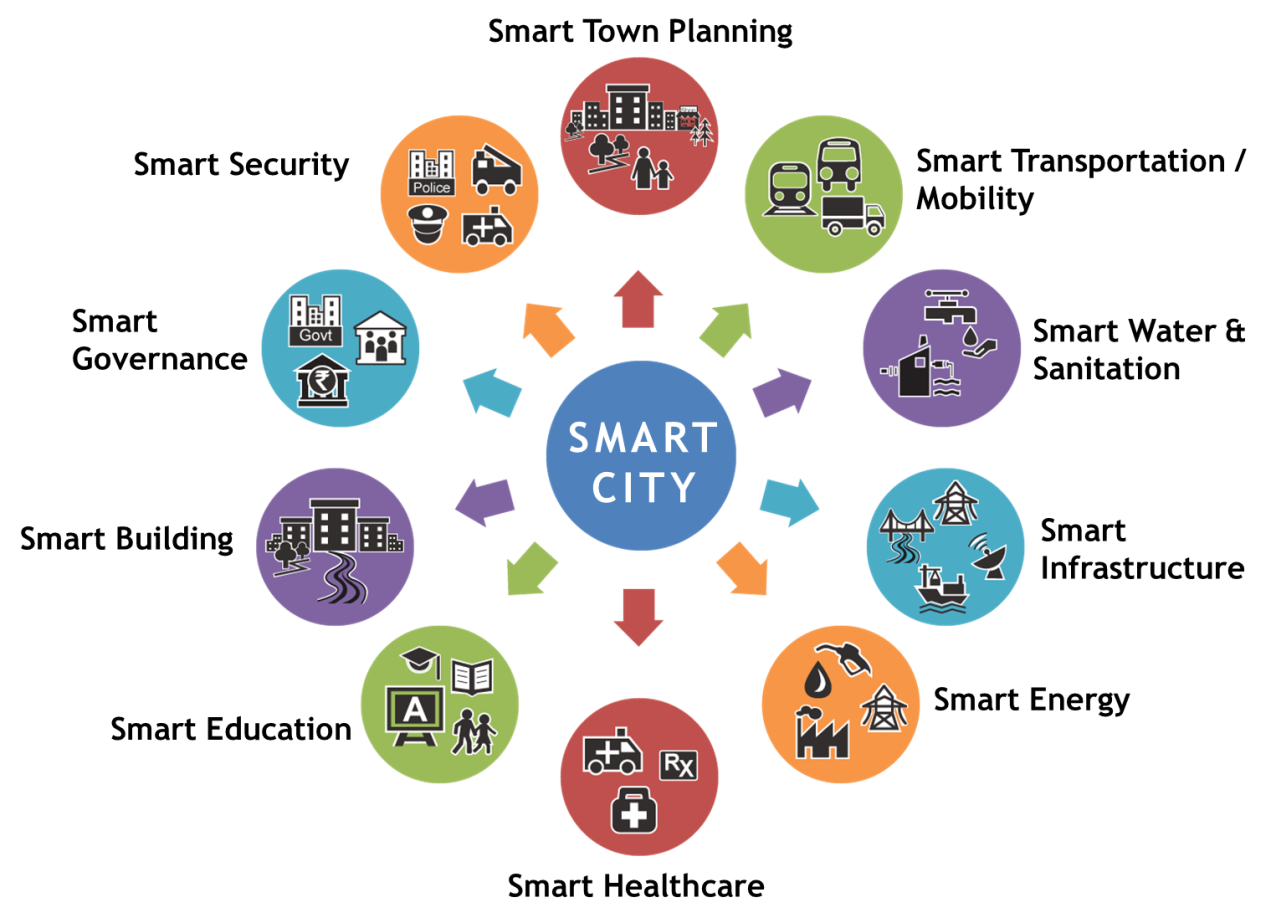
Smart City Solutions: Building Safer, Smarter and More Connected Cities
As cities grow, they face increasing demands on transport, public safety, energy, water, waste management and essential services. Smart city solutions use digital technologies and connected infrastructure to help address these challenges. By bringing data, systems and people together, cities can make services more efficient, responsive and accessible.
What Is a Smart City Solution?
A smart city solution is a technology or integrated system that helps a city manage its resources and services more effectively. It may combine sensors, cameras, communication networks, software and control rooms to collect and analyse information. City authorities can use these insights to monitor conditions, respond to incidents and plan improvements.
Smart city projects can be introduced across an entire city or in specific areas such as transport, public safety, utilities or municipal services. The right approach depends on local priorities, existing infrastructure and the needs of residents.
Key Areas of Smart City Development
Intelligent Traffic and Transport Management
Traffic monitoring systems can help authorities understand vehicle movement, identify congestion and respond to road incidents. Technologies such as traffic cameras, automatic number plate recognition (ANPR), traffic signal coordination and vehicle monitoring can support smoother journeys and more informed transport planning.
Public Safety and City Surveillance
Integrated CCTV and video surveillance systems can help authorised teams monitor public spaces and respond to incidents. When connected to a central command and control centre, these systems can support coordinated incident management. Privacy, access controls, data protection and clear operating procedures should be considered from the start.
Emergency and Incident Response
Connected communication systems can help emergency services and city departments share relevant information during an incident. A well-planned command centre can provide a common view of events and help teams coordinate their response more effectively.
Smart Utilities and Energy Management
Digital monitoring can help track the performance of utilities such as electricity, water and street lighting. For example, connected meters and sensors may help identify unusual usage, detect faults and support more efficient maintenance. These systems can contribute to better resource management when supported by reliable networks and accurate data.
Environmental Monitoring
Sensors can measure factors such as air quality, noise, temperature and water conditions. This information can help city authorities identify problem areas, assess trends and plan suitable interventions. Public access to clear, understandable environmental information can also support awareness and community engagement.
Waste and Municipal Services
Smart systems can assist with monitoring waste levels, planning collection routes and tracking service requests. Digital platforms may also make it easier for residents to report issues such as damaged streetlights, overflowing bins or road maintenance concerns.
How Smart City Systems Work Together
A smart city solution generally includes several connected elements:
- Sensors and field equipment: Collect information from roads, buildings, public spaces and utilities.
- Communication networks: Transfer information between devices, departments and control centres.
- Software and analytics: Organise information, identify patterns and support operational decisions.
- Command and control facilities: Give authorised teams tools to monitor activity and coordinate responses.
- People and processes: Ensure that technology supports practical workflows and public needs.
Interoperability is important. Systems from different suppliers should be able to exchange information where appropriate, rather than operating as isolated platforms. This can make future expansion and maintenance easier.
Benefits of Smart City Solutions
- Improved visibility of city operations and infrastructure
- Faster identification of faults and incidents
- Better coordination between departments and response teams
- More informed planning based on reliable data
- Potential improvements in traffic flow and public safety
- More efficient use of energy, water and other resources
- Improved access to municipal information and services
Technology alone cannot solve every urban challenge. The value of a smart city project depends on how well its systems are selected, integrated, managed and maintained—and whether they address real needs in the community.
Planning a Smart City Project
A successful project begins with clear objectives. Authorities should identify the problems to be addressed, consult relevant stakeholders and assess existing infrastructure. A phased implementation can help establish priorities, test solutions and expand systems based on results.
Important considerations include:
- Compatibility with existing equipment and platforms
- Network coverage, reliability and cybersecurity
- Data privacy, governance and authorised access
- Training for operators and maintenance teams
- Long-term support, upgrades and operating costs
- Accessibility and the needs of different communities
- Clear measures for evaluating performance
Creating More Liveable Cities
Smart city solutions are most effective when they combine dependable technology with thoughtful planning and strong service delivery. Integrated surveillance, traffic management, communications, environmental monitoring and digital municipal services can help cities respond to changing needs and use resources more effectively.
With a clear strategy, secure infrastructure and a focus on residents, smart city initiatives can support safer, more connected and more liveable urban communities.
7 Key Benefits of Smart City Solutions
- Improves public safety and surveillance.
- Helps reduce traffic congestion.
- Enables faster emergency response.
- Supports efficient energy and water use.
- Improves municipal service delivery.
- Provides real-time data for better planning.
- Helps create cleaner, more liveable cities.
Five Key Drawbacks of Smart City Solutions
- High implementation and maintenance costs
- Risk of cyberattacks and data breaches
- Privacy concerns from extensive monitoring
- Dependence on reliable internet and power
- Digital systems may exclude some residents
Improves public safety and surveillance.
Smart city solutions can improve public safety by integrating CCTV cameras, sensors, communication networks and central monitoring systems. This gives authorised teams a clearer view of public spaces and can help them identify incidents, coordinate responses and share relevant information with emergency services more quickly. With appropriate privacy safeguards, secure data handling and clear access controls, connected surveillance can support safer streets and more responsive city services.
Helps reduce traffic congestion.
Smart city solutions help reduce traffic congestion by using cameras, sensors and intelligent traffic management systems to monitor road conditions in real time. This information can help authorities adjust traffic signals, identify bottlenecks and respond quickly to accidents or roadworks. By improving traffic flow and helping commuters make better-informed travel choices, these solutions can reduce delays and make journeys across the city smoother.
Enables faster emergency response.
Smart city solutions can help emergency teams respond faster by connecting cameras, sensors, communication networks and control centres. When an incident is detected, relevant information—such as its location and severity—can be shared quickly with the appropriate teams. This can help dispatchers coordinate police, fire and medical services, identify suitable routes and keep responders updated, supporting a more timely and organised response.
Supports efficient energy and water use.
Smart city solutions help cities use energy and water more efficiently by monitoring consumption through connected meters, sensors and management systems. This information can help identify leaks, unusual usage and areas of waste, enabling quicker action and better planning. Smart street lighting can adjust brightness according to need, while intelligent water networks can help detect faults and reduce losses. By using resources more carefully, cities can lower operating costs and support a more sustainable future for residents.
Improves municipal service delivery.
Smart city solutions can improve municipal service delivery by helping authorities monitor services, identify issues and respond to requests more efficiently. Connected systems can provide timely information about areas such as waste collection, street lighting, road maintenance and water supply, enabling teams to prioritise tasks and coordinate their work. Digital service platforms can also make it easier for residents to report problems and track updates, supporting more responsive and reliable local services.
Provides real-time data for better planning.
Smart city solutions provide real-time data on areas such as traffic, energy use, air quality and public services. This timely information helps city authorities understand changing conditions, identify issues early and make better-informed plans. By basing decisions on current data rather than estimates alone, they can allocate resources more effectively and respond to residents’ needs.
Helps create cleaner, more liveable cities.
Smart city solutions can help create cleaner, more liveable cities by making it easier to monitor environmental conditions and manage essential services. Sensors can track air quality, noise and waste levels, while connected systems can support more efficient waste collection, street lighting and traffic management. These improvements can help reduce pollution, limit unnecessary resource use and make public spaces more pleasant for residents.
High implementation and maintenance costs
One of the main challenges of smart city solutions is their high implementation and maintenance costs. Setting up sensors, cameras, communication networks, software platforms and control centres can require substantial investment. Ongoing expenses for repairs, upgrades, cybersecurity and skilled staff can also add up over time. These costs may be difficult for cities with limited budgets to manage, so careful planning, phased implementation and long-term budgeting are essential.
Risk of cyberattacks and data breaches
One important concern with smart city solutions is the risk of cyberattacks and data breaches. Connected cameras, sensors, networks and software collect and exchange large amounts of information, making them potential targets for hackers. A security breach could expose sensitive personal data, disrupt essential services or compromise public safety systems. Cities can reduce these risks through strong cybersecurity controls, regular software updates, secure data storage, restricted access and clear data protection policies.
Privacy concerns from extensive monitoring
One concern with smart city solutions is the effect of extensive monitoring on privacy. CCTV cameras, sensors and connected devices may collect information about people’s movements and activities in public spaces. If this data is not managed responsibly, it could be accessed or used without proper authorisation, or retained for longer than necessary. Cities should therefore set clear rules for data collection, access and retention, protect information with appropriate security measures, and be transparent with residents about how monitoring systems are used.
Dependence on reliable internet and power
A key drawback of smart city solutions is their dependence on reliable internet connectivity and power. Sensors, surveillance cameras, communication networks and control systems may not work properly during outages or network disruptions, affecting essential services and delaying responses to incidents. To reduce this risk, cities need reliable infrastructure, backup power, secure communication networks and clear contingency plans for operating essential services when systems are unavailable.
Digital systems may exclude some residents
Digital systems may exclude residents who do not have reliable internet access, a suitable smartphone or the skills needed to use online services. Older people, people with disabilities and those who prefer in-person assistance may also face barriers if essential services become digital-only. Smart city initiatives should therefore offer accessible, user-friendly platforms alongside offline options, such as service counters and telephone support, so that everyone can benefit.