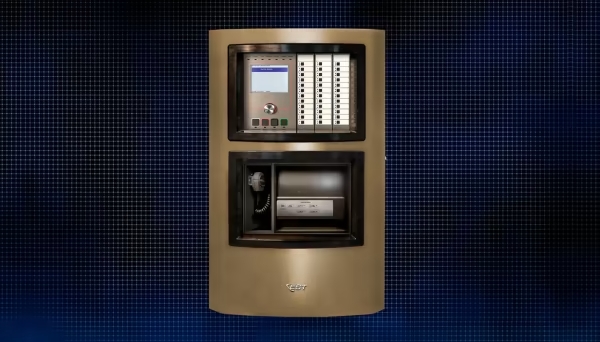
EST3 Fire Alarm Panel: Features, Working and Applications
The EST3 fire alarm panel is an intelligent, networkable fire alarm and life-safety system from Edwards. Designed for larger or more complex buildings, it monitors fire detection devices, processes alarm and fault signals, and activates the programmed responses needed to alert occupants and support emergency procedures.
EST3 installations can be configured in different ways, so available functions depend on the panel configuration, software, connected devices and site requirements. This article explains the system’s general purpose and key considerations for building owners and facility teams.
What is an EST3 fire alarm panel?
A fire alarm control panel (FACP) is the central unit of a building’s fire detection system. It receives information from field devices such as smoke detectors, heat detectors, manual call points and monitor modules. When it identifies an alarm condition, it operates the programmed outputs, which may include sounders, strobes, voice alarm equipment and interfaces to other building systems.
EST3 uses addressable technology. In an addressable system, compatible devices have individual identities on the system, allowing the panel to indicate the location or identity of the device reporting an alarm or fault. This can help authorised personnel investigate events more efficiently than on systems that identify only a general circuit or zone.
How does the EST3 system work?
- Detection: Detectors and manual call points monitor for signs of fire or allow occupants to raise an alarm.
- Signal processing: The panel receives and evaluates signals from connected devices according to the approved system configuration.
- Notification: If an alarm is confirmed or manually initiated, the panel activates the assigned notification devices, such as sounders, visual alarms or voice messages, where provided.
- System interfaces: Approved interfaces may pass signals to other building services, such as ventilation controls, door-release equipment or lift controls. These actions must be designed and tested for the specific site.
- Event indication: The panel displays the status and available device information so trained staff can respond in line with the building’s emergency procedures.
Key features
- Addressable device monitoring: Helps identify the device or point reporting an alarm, fault or supervisory condition.
- Expandable configuration: System capacity and layout can be selected to suit the building, subject to the approved design and equipment configuration.
- Network capability: EST3 systems can be arranged to communicate across multiple panels or areas when designed with compatible equipment and network architecture.
- Event display and controls: The panel provides status information and authorised controls for trained operators.
- Integration options: Interfaces can support coordinated life-safety functions, provided they are correctly specified, installed and tested.
- Voice alarm options: Some configurations can include emergency voice communication or voice evacuation functions. These are not present in every installation.
Where is an EST3 panel used?
EST3 systems may be considered for sites that need centralised monitoring and coordinated alarm responses. Depending on the design and local approvals, applications can include commercial buildings, hospitals, educational institutions, hotels, industrial facilities and large campuses.
The appropriate system depends on factors such as building size, occupancy, evacuation strategy, environmental conditions, existing infrastructure and the requirements of the relevant authorities.
EST3 compared with a conventional fire alarm system
A conventional system generally identifies the zone or circuit in which an alarm has occurred. An addressable system can provide more specific information about the reporting device, subject to the equipment and system configuration. This may make event investigation and maintenance more straightforward, particularly in larger buildings.
However, an addressable system is not automatically the right choice for every site. A competent fire alarm designer should assess the building, applicable regulations, evacuation strategy and ongoing maintenance needs before recommending a system.
Installation and compliance in India
Fire alarm systems in India should be designed and installed in line with the applicable National Building Code provisions, relevant Indian Standards, local fire-service requirements and project specifications. Requirements can vary by building type, location and authority having jurisdiction.
System design should cover detector selection and placement, alarm audibility and visibility, zoning, cabling, standby power, interfaces, cause-and-effect logic and the building’s evacuation plan. Equipment compatibility and any required approvals should be checked before installation or modification.
Testing and maintenance
Regular inspection and testing help confirm that the panel, field devices, notification appliances, power supplies and interfaces are operating as intended. A maintenance programme should follow the manufacturer’s documentation and applicable local requirements. Records of inspections, tests, faults and corrective work should be retained by the building’s responsible team.
Only trained and authorised personnel should operate, programme or service the panel. Before testing, they should follow the site’s procedures for notifying occupants and monitoring services, managing temporary impairments and restoring the system to normal operation. A fire alarm system should never be left disabled without appropriate safeguards and authorisation.
Choosing or upgrading an EST3 system
Before installing, expanding or replacing an EST3 system, confirm the existing panel’s model and configuration, the compatibility of proposed devices, software and network requirements, and the availability of qualified technical support. A site survey can help identify existing wiring, interface requirements and any changes needed to meet current project or authority requirements.
Conclusion
The EST3 fire alarm panel is an addressable, networkable platform intended for configurable fire detection and life-safety applications. Its effectiveness depends on sound system design, compatible equipment, correct installation, thorough commissioning and regular maintenance. Building owners should work with qualified fire alarm professionals to ensure the system suits the site and complies with applicable requirements in India.
8 Key Benefits of the EST3 Fire Alarm Panel
- Addressable technology helps pinpoint alarm locations.
- Supports monitoring of compatible fire detection devices.
- Can be configured for different building requirements.
- Network capability can connect multiple panels.
- Provides clear alarm, fault and system status information.
- Can support integration with selected building systems.
- Helps coordinate audible and visual alarm notifications.
- Suitable for larger, complex facilities when properly designed.
7 Drawbacks of the EST3 Fire Alarm Panel
- Can be costly to install and maintain.
- Requires trained technicians for programming and servicing.
- Compatibility with third-party devices may be limited.
- Expansion can require specialist planning.
- Older installations may face parts-availability issues.
- Configuration and troubleshooting can be complex.
- Regular testing and maintenance are essential.
Addressable technology helps pinpoint alarm locations.
One key advantage of the EST3 fire alarm panel is its addressable technology, which can help pinpoint the device reporting an alarm. Instead of identifying only a broad zone, the panel can show the location or identity of a specific detector or call point, depending on the system configuration. This helps trained staff investigate incidents more quickly and decide where a response is needed.
Supports monitoring of compatible fire detection devices.
The EST3 fire alarm panel supports monitoring of compatible fire detection devices, such as smoke detectors, heat detectors and manual call points. By receiving signals from these devices, it can alert authorised personnel to alarm or fault conditions and help identify where attention is needed. This supports timely investigation and a more coordinated response to potential fire incidents.
Can be configured for different building requirements.
The EST3 fire alarm panel can be configured to suit the specific requirements of different buildings, from individual facilities to larger, more complex sites. Its system layout, connected devices, alarm zones and programmed responses can be planned around factors such as building size, occupancy and evacuation procedures. This flexibility helps create a fire alarm solution that supports the needs of the site, subject to a suitable design and applicable safety requirements.
Network capability can connect multiple panels.
The EST3 fire alarm panel’s network capability allows multiple compatible panels to communicate as part of a coordinated system. This can help authorised staff monitor fire alarm events across different areas or buildings from designated locations, while providing clearer, site-wide status information. When properly designed and commissioned, a networked arrangement can support coordinated responses and make it easier to manage fire safety across larger or more complex premises.
Provides clear alarm, fault and system status information.
The EST3 fire alarm panel provides clear information about alarms, faults and overall system status, helping trained staff quickly understand what needs attention. Its display can identify the relevant device or location, making it easier to investigate an alarm, respond to a fault and coordinate the next steps. This clear status information supports faster decision-making and effective system monitoring.
Can support integration with selected building systems.
The EST3 fire alarm panel can support integration with selected building systems, enabling coordinated responses during an emergency. Depending on the system design and compatible interfaces, it may communicate with services such as ventilation controls, access-controlled doors, lifts or emergency notification equipment. These integrations should be carefully specified, installed and tested by qualified professionals to ensure they operate reliably and meet applicable safety requirements.
Helps coordinate audible and visual alarm notifications.
The EST3 fire alarm panel can help coordinate audible and visual alarm notifications across a building. When an alarm is triggered, the system can activate configured sounders, speakers and visual indicators, helping alert occupants in different areas and supporting an organised emergency response. The exact notifications depend on the system design, connected devices and site requirements.
Suitable for larger, complex facilities when properly designed.
The EST3 fire alarm panel can be a suitable choice for larger, complex facilities when the system is properly designed for the site. Its addressable and networkable capabilities can support monitoring across multiple areas, helping trained staff identify alarm or fault locations and coordinate responses. The final configuration should be determined by a qualified fire alarm professional, taking account of the building layout, occupancy, evacuation strategy and applicable requirements in India.
Can be costly to install and maintain.
One possible drawback of the EST3 fire alarm panel is the cost of installation and ongoing maintenance. Its advanced features, specialist equipment and integration with other building systems may require a higher initial investment, while configuration, testing and servicing can call for trained technicians. Costs will vary according to the site, system size and maintenance requirements, so they should be considered when planning the fire safety budget.
Requires trained technicians for programming and servicing.
One consideration with the EST3 fire alarm panel is that programming and servicing require trained technicians. Configuration changes, fault diagnosis and maintenance must be handled by people familiar with the system and its compatible equipment. This can make routine support more dependent on specialist availability and may increase service time or costs, particularly where qualified technicians are not readily available.
Compatibility with third-party devices may be limited.
Compatibility with third-party devices may be limited in an EST3 fire alarm system. Some detectors, modules and other components may need to be specifically approved or compatible with the panel, which can restrict product choices and make upgrades or replacements more complex. Before adding new equipment, check compatibility with the system configuration and consult a qualified fire alarm professional to help maintain reliable operation and compliance with applicable requirements.
Expansion can require specialist planning.
Expanding an EST3 fire alarm panel may require specialist planning, particularly in larger or networked installations. New devices or system components must be checked for compatibility and carefully integrated with the existing configuration, wiring and programmed cause-and-effect logic. This can make upgrades more involved than simply adding equipment, so it is best to have the work assessed and carried out by qualified fire alarm professionals to help maintain system reliability and compliance.
Older installations may face parts-availability issues.
Older EST3 fire alarm panel installations may face parts-availability issues, particularly when replacement components are discontinued or difficult to source. This can increase repair times and maintenance costs, and may require specialist support or careful planning to keep the system operational. Before carrying out repairs or upgrades, check component compatibility and availability with a qualified fire alarm service provider.
Configuration and troubleshooting can be complex.
One potential drawback of the EST3 fire alarm panel is that its configuration and troubleshooting can be complex, particularly in large or networked installations. Programming, diagnosing faults and managing system interfaces may require specialised training, compatible tools and access to detailed system documentation. As a result, routine changes or repairs can take longer and may need to be handled by a qualified technician, adding to maintenance time and costs.
Regular testing and maintenance are essential.
Regular testing and maintenance are essential for an EST3 fire alarm panel to help ensure that the panel, detectors, alarms, power supplies and connected interfaces operate as intended. This can require scheduled inspections by trained technicians, coordination with building occupants and monitoring services, and temporary precautions when any part of the system is taken offline. These ongoing requirements add to the time and cost of managing the system, but they are important for maintaining reliability and meeting applicable safety requirements.