eSSL Boom Barrier: A Practical Guide to Vehicle Access Control
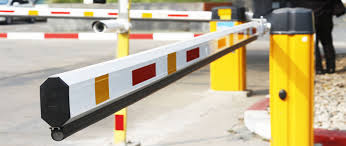
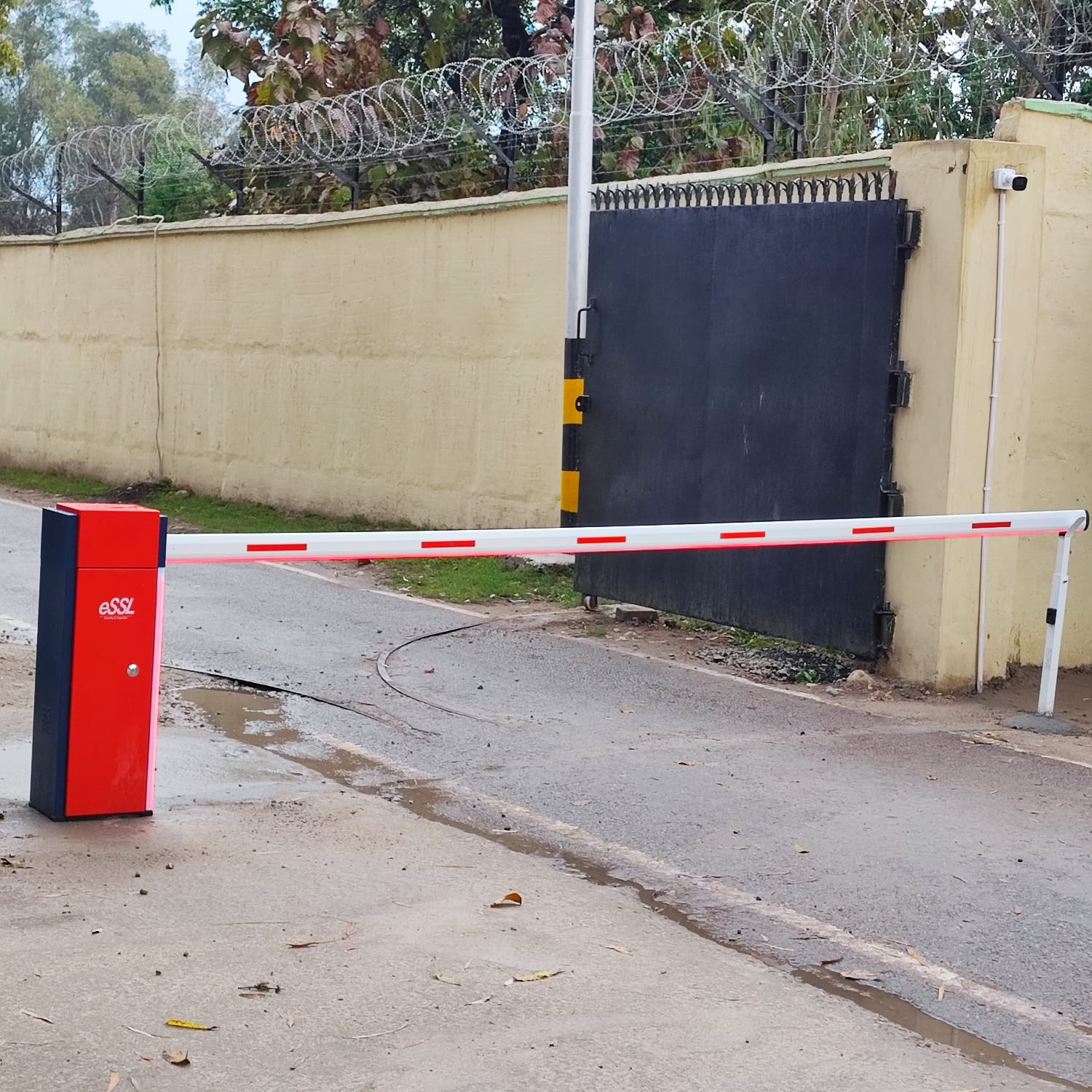
An eSSL boom barrier is an automatic vehicle barrier used to control entry and exit at locations such as offices, residential communities, factories, car parks and commercial premises. By raising and lowering a horizontal arm, it helps manage vehicle movement and supports a more organised approach to site security.
Boom barriers are often used alongside access control systems, such as RFID readers, access cards, vehicle tags, ticketing systems or security personnel. The right setup depends on the site, the level of traffic and how access needs to be authorised.
How a Boom Barrier Works
A typical automatic boom barrier has a motorised mechanism housed in a cabinet and a barrier arm that moves between a closed and an open position. An authorised user or access system sends an opening command. Once the vehicle has passed, the arm returns to the closed position, either automatically or when instructed by an operator.
Depending on the installation and model, the system may also be integrated with safety sensors, a remote control, a push-button station, an access control panel or a vehicle identification solution. Specifications and available features can differ, so check the details of the particular eSSL model before purchase.
Where eSSL Boom Barriers Can Be Used
- Residential societies: Manage vehicle access for residents, visitors and delivery vehicles.
- Office buildings: Control entry to staff parking areas and private premises.
- Commercial car parks: Help organise vehicle flow at parking entrances and exits.
- Factories and warehouses: Restrict vehicle access to operational or secure areas.
- Educational institutions and hospitals: Direct vehicles through designated entry points.
- Hotels and business parks: Support access procedures for guests, employees and service vehicles.
Benefits of Installing an eSSL Boom Barrier
- Controlled vehicle entry: Access can be managed through an attendant or an integrated authorisation system.
- Improved traffic flow: A clearly defined entry point can help reduce confusion at busy sites.
- Integration options: Depending on the model and system configuration, a barrier may work with access control or parking management equipment.
- More consistent operation: Automation can reduce the need for staff to open and close a manual barrier repeatedly.
- Flexible use: The barrier can be configured for different site layouts and operating requirements.
What to Consider Before Choosing a Model
Before selecting an eSSL boom barrier, assess the site rather than choosing on appearance alone. Consider the following:
- Traffic volume: Estimate how many vehicles will pass through the entry point during busy periods.
- Arm length and opening space: Measure the roadway and check for nearby walls, columns, trees or other obstacles.
- Operating speed: Choose a model appropriate for the expected traffic flow and site conditions.
- Control method: Decide whether operation will be manual, remote-controlled or linked to an access control system.
- Safety provisions: Ask about suitable sensors and other safeguards to help prevent the arm from closing on a vehicle or person.
- Power and backup requirements: Confirm the electrical requirements and ask whether backup operation is available for the selected model.
- Environmental conditions: Consider exposure to rain, dust, heat and other conditions at the installation site.
- Service and warranty: Check the warranty terms, availability of spare parts and access to trained installation and service support.
Installation and Maintenance
A boom barrier should be installed on a stable surface, with enough clearance for the arm to move safely. The installer should align the cabinet and arm, configure the controls, test any connected access devices and check the safety functions. For a barrier integrated with a larger security system, confirm that all components communicate correctly before putting the system into regular use.
Routine maintenance can help keep the barrier operating reliably. Follow the manufacturer’s instructions and arrange periodic checks of the arm, fasteners, cabinet, motor and safety devices. Keep the operating area clear and report unusual noise, slow movement or inconsistent operation to a qualified service provider. Do not attempt repairs on electrical or mechanical components unless suitably qualified.
Frequently Asked Questions
Can an eSSL boom barrier work with an access control system?
It may be possible to connect a compatible boom barrier to an access control system. Compatibility depends on the barrier model, controller and installation design. Confirm the required connections with the supplier or installer.
Is a boom barrier suitable for a residential society?
A boom barrier can be suitable for a residential society where vehicle entry needs to be managed. The site should be assessed for traffic volume, visitor procedures, available space and pedestrian safety.
What information is needed to select a boom barrier?
Share the entrance width, expected vehicle volume, operating schedule, preferred access method and site conditions with the supplier. These details help identify a suitable model and installation plan.
Conclusion
An eSSL boom barrier can be a useful part of a vehicle access control setup for commercial, residential and institutional premises. To choose the right solution, review the site requirements, confirm the exact model specifications and use a qualified installer. A properly selected and maintained barrier can help make vehicle entry more orderly while supporting the wider security arrangements of the premises.
6 Essential Tips for Safe Installation and Maintenance of Your ESSL Boom Barrier
- Install the ESSL boom barrier on a level, stable surface.
- Keep the boom arm’s movement area clear of people and vehicles.
- Test safety sensors and limit settings regularly.
- Use the manual release only as instructed during a power cut.
- Inspect the arm, fasteners and wiring for wear or damage.
- Contact an authorised ESSL technician for repairs or servicing.
Install the ESSL boom barrier on a level, stable surface.
Install the eSSL boom barrier on a level, stable surface to ensure the unit stays securely positioned and the arm can operate smoothly. An uneven or weak foundation may cause vibration, misalignment or excessive wear over time. Before installation, check that the mounting area is firm, properly prepared and has enough clearance for the barrier arm to move safely.
Keep the boom arm’s movement area clear of people and vehicles.
Keep the boom arm’s movement area clear of people, vehicles and other obstructions. This helps prevent accidents and damage while the barrier is opening or closing. Mark the operating area clearly, and ensure users wait until the arm has fully opened before proceeding.
Test safety sensors and limit settings regularly.
Test the eSSL boom barrier’s safety sensors and limit settings regularly to help ensure the arm operates safely and stops at the correct open and closed positions. Check that the sensors respond as intended and that the barrier does not close when a vehicle or obstruction is in its path. If the arm moves unevenly, stops at the wrong point or a sensor fails to respond, contact a qualified technician rather than adjusting electrical or mechanical settings yourself.
Use the manual release only as instructed during a power cut.
During a power cut, use the eSSL boom barrier’s manual release only as instructed in the manufacturer’s manual or by a qualified technician. First ensure the area around the barrier is clear, as the arm may move unexpectedly when released. Avoid forcing the mechanism or attempting repairs, and restore normal operation only after power and safety checks are complete.
Inspect the arm, fasteners and wiring for wear or damage.
Inspect the eSSL boom barrier arm, fasteners and wiring regularly for signs of wear, looseness or damage. Check for cracks, bent sections, loose bolts, frayed cables or exposed wires, and arrange repairs through a qualified technician if you notice any issues. Routine checks can help maintain safe, reliable operation and reduce the risk of unexpected breakdowns.
Contact an authorised ESSL technician for repairs or servicing.
For reliable performance and safe operation, contact an authorised eSSL technician for repairs or servicing of your boom barrier. Trained professionals can inspect the system, identify faults and carry out maintenance according to the manufacturer’s recommendations. Avoid attempting repairs yourself, as this may cause further damage, affect the warranty or compromise safety.