Hidden CCTV Camera for Home: What You Should Know
A hidden CCTV camera may seem like a discreet way to monitor activity at home, but choosing and using one requires careful thought. Privacy, safety and compliance with applicable laws should come before concealment. In many situations, a visible camera is a better choice: it can deter unwanted activity while making recording transparent to household members and visitors.
What Is a Hidden CCTV Camera?
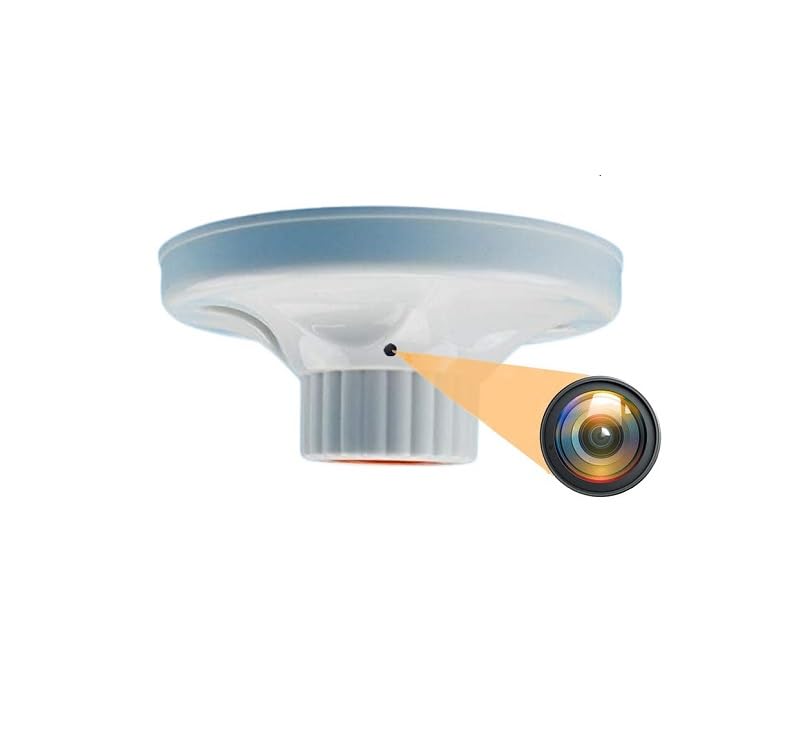
A hidden CCTV camera is a camera designed to be less noticeable than a conventional security camera. Some models are small, while others are built into everyday-looking objects. Features vary by product and may include motion detection, night vision, remote viewing and local or cloud storage.
These features do not make every use appropriate. A camera should only be used for a legitimate security purpose and in a place where recording is lawful and respectful of privacy.
When Might It Be Considered?
Homeowners may consider discreet monitoring to investigate a specific security concern, such as suspected property loss or unauthorised access. Before choosing a hidden camera, consider whether a visible camera, a better lock, an alarm system or improved lighting could address the concern with less impact on privacy.
Important Privacy and Legal Considerations in India
- Record only areas you are entitled to monitor. Keep cameras within your own home or property and avoid capturing neighbours’ homes or private spaces.
- Never place cameras in private areas. Bedrooms, bathrooms, changing areas and similar spaces are especially sensitive.
- Be transparent where appropriate. Inform family members, domestic staff, guests or other people who may be recorded. Do not assume that a camera’s small size removes the need to consider their privacy.
- Check applicable rules. Privacy and recording requirements can depend on the circumstances and location. Seek qualified legal advice if you are unsure, particularly when recording employees, tenants or visitors.
- Do not share footage casually. Recordings may contain personal information. Limit access and retain footage only as long as needed for the stated security purpose.
Features to Compare
If a camera is appropriate for your situation, compare products based on practical security and privacy features rather than how easily they can be concealed:
- Video quality: Choose a resolution that can capture useful detail in the intended area.
- Low-light performance: Check whether the camera can record clearly in the lighting conditions where it will be used.
- Power and connectivity: Confirm whether it requires mains power, a battery, Wi-Fi or a wired connection.
- Storage: Understand whether footage is saved locally, to a network video recorder or to a cloud service, and check any subscription costs.
- Motion alerts: Adjustable detection zones and sensitivity can help reduce unnecessary notifications.
- Security controls: Look for encryption, regular software updates and account protection such as multi-factor authentication.
- Reliability and support: Buy from a reputable supplier and check the warranty, installation requirements and after-sales service.
Secure the Camera and Its Footage
Change default passwords before use and choose a strong, unique password. Keep the camera’s firmware and associated mobile application updated. Use a secure Wi-Fi network, restrict account access to trusted people and review connected devices periodically. If footage is stored in the cloud, check how it is protected, who can access it and how it can be deleted.
Consider a Visible Security System
For everyday home protection, visible CCTV cameras can be a more straightforward option. They can monitor entrances, driveways and common areas while clearly signalling that recording is taking place. A professional installer can help position cameras to cover relevant areas without unnecessarily recording public spaces or neighbouring properties.
Conclusion
A hidden CCTV camera for home use should never be treated as a privacy-free solution. Start by identifying the security concern, consider less intrusive alternatives and check the rules that apply to your circumstances. If recording is justified, use the camera responsibly, protect the footage and avoid private spaces. A well-planned, transparent security system can help protect a home while respecting the privacy of everyone who lives in or visits it.
8 Benefits of Hidden CCTV Cameras for Home Security
- Discreet design blends into home interiors.
- Can monitor a specific security concern.
- Takes up little space.
- May avoid changing room décor.
- Some models offer motion alerts.
- Remote viewing is available on select models.
- Can support monitoring when residents are away.
- Useful where a visible camera is impractical.
Hidden CCTV Cameras at Home: Privacy Risks, Legal Concerns and Maintenance Challenges
- Can violate the privacy of family members, staff or visitors.
- May create legal issues if used without proper consent.
- Hidden placement can make monitoring and maintenance difficult.
Discreet design blends into home interiors.
A hidden CCTV camera’s discreet design can blend naturally into home interiors without drawing attention or disrupting the overall décor. This can be useful when you want to monitor a specific area while keeping the space looking neat and uncluttered. Choose a camera placement that serves a legitimate security purpose and respects the privacy of everyone in the home.
Can monitor a specific security concern.
A hidden CCTV camera may help monitor a specific security concern, such as repeated unauthorised entry or unexplained loss of belongings, when a visible camera is unsuitable. By recording activity in a carefully chosen area, it may provide useful information to help understand what is happening. Use it only where recording is lawful, avoid private spaces and respect the privacy of family members, staff and visitors.
Takes up little space.
One practical advantage of a compact hidden CCTV camera is that it takes up very little space. Its small size makes it easier to fit into a home without adding bulky equipment or affecting the room’s décor, which can be useful in areas where space is limited. Choose a suitable location that provides a clear view, and ensure any recording is lawful and respects the privacy of others.
May avoid changing room décor.
A discreet CCTV camera can help maintain the existing look and feel of a room, as it may be less visually prominent than a conventional camera and may not require noticeable changes to the décor. This can be useful when preserving a neat, uncluttered appearance is important. However, it should be positioned and used responsibly, with due regard for people’s privacy and applicable laws.
Some models offer motion alerts.
Some hidden CCTV camera models offer motion alerts, notifying you when movement is detected in the monitored area. This can help you check on unexpected activity at home, even when you are away, without having to watch live footage continuously. Look for adjustable sensitivity and detection zones to reduce alerts caused by pets or passing movement, and ensure notifications are used responsibly in areas where recording is appropriate.
Remote viewing is available on select models.
Select hidden CCTV camera models offer remote viewing, allowing homeowners to check live footage or review recordings through a mobile app or web browser while away from home. This can make it easier to keep an eye on your property when travelling or at work, provided the camera has a reliable internet connection. For greater security, use a strong, unique password, enable available account-protection features and share access only with trusted people.
Can support monitoring when residents are away.
A hidden CCTV camera can help residents keep an eye on their home while they are away, with compatible systems offering live viewing or motion alerts through a mobile app. This may help them check on specific areas, such as an entrance or living room, and respond promptly to unusual activity. For responsible use, cameras should be positioned only in appropriate areas, with privacy and applicable rules kept in mind.
Useful where a visible camera is impractical.
A hidden CCTV camera can be useful in parts of the home where a visible camera is impractical, such as a compact entrance or a space where a conventional unit would obstruct movement or clash with the layout. Its discreet design may allow monitoring without taking up much room. However, it should be used only for a genuine security purpose, positioned away from private areas and in a way that respects the privacy of household members and visitors.
Can violate the privacy of family members, staff or visitors.
A key drawback of hidden CCTV cameras is that they can intrude on the privacy of family members, domestic staff or visitors, particularly if people are recorded without their knowledge or in private areas. This may cause discomfort, reduce trust and lead to disputes. Before installing a camera, consider whether monitoring is necessary, keep it away from bedrooms and bathrooms, and inform people who may be recorded. Check applicable privacy rules and use footage only for its intended security purpose.
May create legal issues if used without proper consent.
Using a hidden CCTV camera at home without proper consent can lead to legal and privacy concerns, particularly if it records family members, domestic staff, tenants or visitors in areas where they reasonably expect privacy. Before installing a camera, check the rules that apply in your location, limit recording to areas you are entitled to monitor and inform people who may be recorded where appropriate. If you are unsure about your obligations, seek qualified legal advice.
Hidden placement can make monitoring and maintenance difficult.
Hidden CCTV cameras can be harder to monitor and maintain because their discreet placement may make them difficult to locate, check or access. This can delay routine tasks such as cleaning the lens, adjusting the angle, checking the power supply or updating the device. If a camera stops working or its view becomes obstructed, the problem may go unnoticed, leaving important areas unmonitored. Planning a regular inspection schedule can help, but a visible, accessible camera is often easier to maintain.