Linear Heat Detector: A Practical Guide to Cable-Based Fire Detection
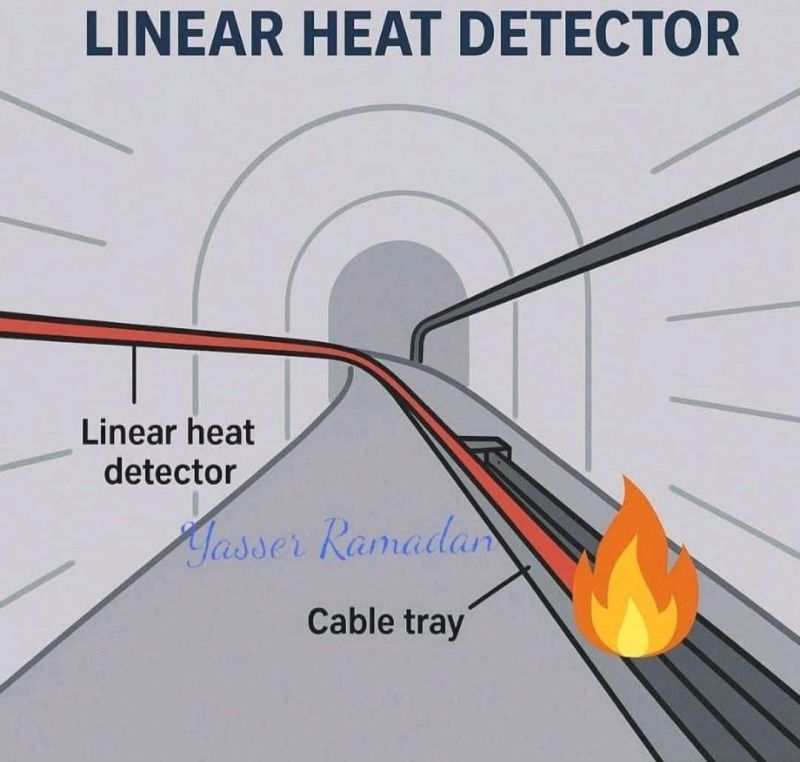
A linear heat detector (LHD) is a fire detection device designed to sense heat along the length of a cable or sensing element. Unlike a conventional spot-type heat detector, which monitors a specific point, an LHD can cover long or hard-to-reach areas with a continuous sensing line.
Linear heat detection is commonly considered for locations where smoke detectors may not be suitable, where heat can build up along a route, or where equipment and structures need protection over an extended distance. The right system depends on the site, the fire risk and the requirements of the fire alarm system.
How does a linear heat detector work?
An LHD uses a sensing cable installed along or near the area to be protected. When the cable reaches a specified temperature, or detects a defined change in temperature, it signals an alarm to a compatible fire alarm control panel or monitoring unit.
The exact operating method varies by product. Some systems are designed to detect when a fixed temperature threshold is reached. Others can identify the approximate location of a heat event or provide information about temperature changes along the cable. The detector’s operating temperature, response characteristics and connection method should always be checked against the manufacturer’s specifications.
Common types of linear heat detectors
- Non-resettable digital cable: The cable activates when it reaches its specified temperature. Depending on the design, the affected section may need to be replaced after activation.
- Resettable digital cable: This type detects heat at a set temperature and may return to normal once the cable cools, subject to the product design and manufacturer’s instructions.
- Analogue or fibre-optic systems: These systems can monitor temperature along the sensing route and may provide information about where a temperature change has occurred. They generally use a controller or monitoring unit.
Product names and capabilities differ between manufacturers, so “digital”, “analogue” and “resettable” should be confirmed against the specific product documentation.
Where are linear heat detectors used?
Linear heat detectors can be suitable for a range of environments, including:
- Cable trays, cable tunnels and electrical service routes
- Conveyor belts and material-handling systems
- Warehouses, loading areas and industrial plants
- Tunnels, car parks and other long or enclosed spaces
- Transformer areas, generators and selected electrical equipment
- Cold rooms and locations where environmental conditions make other detection methods difficult
These are examples, not a substitute for a fire risk assessment. A designer should confirm that the detector type and installation arrangement are suitable for the specific hazards and environmental conditions.
Key advantages
- Continuous coverage: A single sensing route can monitor an extended area rather than only one point.
- Useful in challenging locations: The cable can be installed close to equipment, along structures or in areas where access for routine inspection may be limited.
- Flexible routing: Depending on the product, the cable can follow the layout of the asset or space being protected.
- Potentially earlier warning at the hazard: Placing the sensing cable near a known heat risk can help detect abnormal heating close to its source.
Planning and installation considerations
Correct design and installation are essential for reliable operation. Before selecting an LHD, consider the expected ambient temperature, the likely fire scenario, the required alarm response and the conditions in which the cable will operate.
- Choose the operating temperature and cable type for the environment and fire risk.
- Follow the manufacturer’s instructions for cable spacing, supports, bends, joints and termination.
- Protect the cable from mechanical damage, chemicals, water, sunlight or vibration where relevant to the product rating.
- Use a compatible fire alarm panel, interface module or controller.
- Plan how alarms, faults and any location information will be displayed and acted upon.
- Test the completed system and document the installation in accordance with the design and applicable requirements.
Installation should be carried out by qualified fire detection professionals. The system should be selected and installed in line with the manufacturer’s guidance and the applicable local fire and building requirements.
Testing and maintenance
Routine inspection and testing help confirm that the detector, wiring and fire alarm interface remain operational. Maintenance should follow the manufacturer’s recommendations and the site’s fire safety plan. Checks may include visual inspection of the cable and supports, examination of connections and testing of the connected alarm interface using an approved procedure.
Do not apply heat to a sensing cable or deliberately trigger it unless the manufacturer’s approved test method is being followed. Some cable types may need replacement after an alarm or test activation.
Linear heat detection and other fire detectors
An LHD is not automatically a replacement for smoke, flame or point-type heat detectors. Each technology responds to different fire characteristics and site conditions. A fire detection design may use more than one detector type to provide suitable coverage and reduce the risk of unwanted alarms.
Choosing the right system
When evaluating a linear heat detector, review its operating temperature, environmental rating, cable length limits, alarm location capability, compatibility with the fire alarm system and maintenance requirements. A site-specific assessment can help determine whether an LHD is appropriate and where the sensing cable should be installed.
For a dependable fire detection solution, consult a qualified fire safety professional and follow the product documentation and applicable regulations. The correct design can help provide effective heat detection across equipment and areas that may be difficult to protect with conventional point detectors alone.
8 Essential Tips for Installing and Maintaining Linear Heat Detectors
- Choose a detector suited to the site’s temperature and environment.
- Install it according to the manufacturer’s instructions and local fire codes.
- Keep the sensing cable clear of obstructions and heat sources.
- Maintain the specified bend radius; avoid kinks and sharp bends.
- Use compatible control and monitoring equipment.
- Test the system after installation and at scheduled intervals.
- Inspect for damage, corrosion, and loose connections.
- Keep installation and maintenance records up to date.
Choose a detector suited to the site’s temperature and environment.
Choose a linear heat detector that matches the site’s normal operating temperature and environmental conditions. Consider factors such as heat from machinery, temperature fluctuations, moisture, dust, chemicals, vibration and the risk of physical damage. Selecting a cable with the correct operating temperature and environmental rating helps reduce false alarms and supports reliable fire detection. Always check the manufacturer’s specifications and seek advice from a qualified fire safety professional before installation.
Install it according to the manufacturer’s instructions and local fire codes.
Install a linear heat detector in accordance with the manufacturer’s instructions and applicable local fire safety codes. Correct cable routing, spacing, mounting and connection to a compatible fire alarm system are essential for reliable operation. Have the installation completed and tested by a qualified professional, and keep the relevant documentation for future inspection and maintenance.
Keep the sensing cable clear of obstructions and heat sources.
Keep the linear heat detector sensing cable clear of obstructions and unrelated heat sources to help it detect a genuine rise in temperature accurately. Do not cover, bundle or place objects against the cable, as this may affect its response or make inspection difficult. Route it away from equipment that produces normal operating heat, unless that equipment is the specific hazard being monitored. Follow the manufacturer’s installation guidance and check that the cable remains securely positioned and unobstructed during routine inspections.
Maintain the specified bend radius; avoid kinks and sharp bends.
When installing a linear heat detector, maintain the minimum bend radius specified by the manufacturer. Avoid kinks and sharp bends, as these can damage the sensing cable or affect its ability to detect heat reliably. Route the cable smoothly around corners, using suitable supports and following the product installation guidelines.
Use compatible control and monitoring equipment.
Use compatible control and monitoring equipment: A linear heat detector must be connected to a control panel, interface module or monitoring unit that is compatible with its cable type and operating method. Check the manufacturer’s specifications for wiring, power supply, alarm and fault signals, and any location-monitoring features before installation. Compatibility helps the system communicate accurately, display alarms and faults correctly, and support reliable testing and maintenance.
Test the system after installation and at scheduled intervals.
Test the linear heat detector after installation to confirm that the sensing cable, connections and alarm interface are working correctly. Continue testing at scheduled intervals in line with the manufacturer’s instructions, the site’s fire safety plan and applicable requirements. Keep a record of each test, including any faults and corrective action, and use approved procedures to avoid damaging the cable or causing an unintended alarm.
Inspect for damage, corrosion, and loose connections.
Regularly inspect the linear heat detector cable and its mounting points for physical damage, corrosion, or signs of wear. Check that connections are secure and free from looseness, as damaged cables or poor connections can affect the system’s ability to detect heat and raise an alarm. Any defects should be assessed and repaired by a qualified fire safety professional, following the manufacturer’s instructions.
Keep installation and maintenance records up to date.
Keep installation and maintenance records for your linear heat detector up to date. Record details such as the cable layout, equipment specifications, commissioning and test results, inspections, repairs and any cable replacements. These records help maintenance teams track the system’s condition, identify recurring issues and confirm that servicing is completed as planned. Store the documents where authorised staff can access them, and update them whenever changes are made to the installation.