Multi-Apartment Video Door Phone: A Smarter Way to Manage Building Entry
In an apartment building, managing visitors safely and conveniently is important for residents, security staff and property managers. A multi-apartment video door phone system helps residents see and speak to visitors before allowing them inside. It provides a coordinated entry solution for buildings with multiple flats, from small residential blocks to large housing complexes.
What Is a Multi-Apartment Video Door Phone?
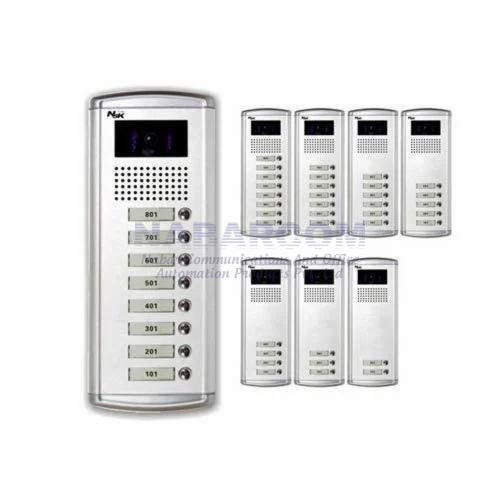
A multi-apartment video door phone is an access communication system that connects the main entrance to individual flats. A visitor uses an outdoor entrance panel to call a resident by selecting or entering the flat number. The resident receives the call on an indoor monitor or compatible device, views the visitor and can speak with them. Depending on the system, the resident may also unlock the entrance remotely.
The system usually includes an outdoor camera and calling panel, indoor monitors in the flats, an electric lock or door-release mechanism, and the wiring or network equipment needed to connect them. Some installations also include a reception or security desk console.
How Does the System Work?
- Visitor calls a flat: The visitor selects a name or enters a flat number on the entrance panel.
- The resident receives the call: The indoor monitor rings and displays a live video feed from the entrance camera.
- Resident verifies the visitor: The resident can speak with the visitor and decide whether to grant access.
- Door is released: If appropriate, the resident can press a button to release the entrance lock.
In some systems, calls can also be directed to a security desk, or answered using a mobile device. Available functions depend on the selected equipment and building configuration.
Key Benefits for Apartment Buildings
- Visual visitor verification: Residents can see who is at the entrance before responding.
- Convenient access: The door can often be released from the flat without the resident having to go downstairs.
- Improved visitor management: A dedicated calling panel helps visitors contact the correct flat or security desk.
- More controlled entry: Residents can make an informed decision rather than relying only on voice communication.
- Useful for different property types: Systems can be configured for apartment blocks, gated communities, serviced residences and mixed-use buildings.
- Expandable options: Depending on the system, features such as access cards, mobile answering, lift control or integration with other security equipment may be available.
Features to Consider
Not every building needs the same functions. Before selecting a system, consider the number of flats, the number of entrances and how residents and staff will use it. Common features include:
- Camera with a clear view of the entrance, including suitable performance in low light
- Directory, flat-number keypad or touch-screen calling panel
- Hands-free indoor monitor with simple call and door-release controls
- Audio communication between the entrance and each flat
- Electric lock compatibility and a suitable exit arrangement
- Call transfer or answering facility at a security or reception desk
- Mobile app support, where required and supported by the system
- Options for adding flats, entrances or additional monitors in the future
Wired or Network-Based System?
Multi-apartment video door phones may use dedicated cabling, network connections or a combination of both. The right approach depends on the building’s layout, existing cabling, construction stage and the number of users.
A wired installation can be suitable for new buildings or projects where cabling can be planned in advance. Network-based systems may offer more flexibility in some existing properties, but they require appropriate network design and dependable connectivity. A site assessment can help determine the most practical arrangement.
Planning and Installation Considerations
Good planning can make the system easier to use and maintain. Consider the following before installation:
- How many flats and entrance points need to be connected?
- Where should the entrance panel and indoor monitors be positioned?
- Is there suitable power, cabling and network infrastructure?
- Will calls also need to reach a guard room or reception desk?
- Which type of entrance lock is installed, and is it compatible with the door-release system?
- How will access be managed during a power or equipment failure?
- Who will be responsible for updates, user changes and routine maintenance?
The entrance panel should be installed at a convenient height and in a location that gives the camera a useful view of visitors. Equipment should be selected for the building’s environment and usage. Installation and configuration should be handled by a qualified professional, especially where the system connects to electric locks or other building services.
Privacy and Responsible Use
Video door phone systems should be used responsibly. Building management should decide how any recorded video, call logs or visitor information will be handled, where recording is supported. Access to system settings should be limited to authorised personnel, and residents should be informed about relevant building policies. Local requirements and the system manufacturer’s guidance should also be followed.
Choosing the Right System
When comparing systems, look beyond the camera and monitor specifications. Check whether the system can support the building’s number of flats and entrances, whether it is straightforward for residents to use, and whether service and replacement components are available. It is also helpful to confirm the installation scope, warranty terms, maintenance arrangements and any ongoing connectivity requirements before making a decision.
Conclusion
A multi-apartment video door phone can make visitor communication more convenient and help residents verify callers before granting access. The best solution is one that suits the building’s size, entrance layout, infrastructure and day-to-day requirements. With careful planning and professional installation, it can become a practical part of a residential building’s entry management system.
8 Benefits of a Multi-Apartment Video Door Phone
- Lets residents see visitors before granting access.
- Enables two-way communication with visitors.
- Allows convenient remote door release.
- Improves control over building entry.
- Helps direct visitors to the correct flat.
- Can connect multiple flats to one entrance panel.
- May support security desk or reception calls.
- Offers options for mobile answering and system expansion.
Drawbacks of Multi-Apartment Video Door Phones
- Installation can be costly in existing buildings.
- Power or network failures may disrupt service.
- Regular maintenance is needed.
- Residents may need time to learn the system.
Lets residents see visitors before granting access.
A multi-apartment video door phone lets residents see who is at the building entrance before granting access. By viewing the visitor on an indoor monitor or compatible device and speaking with them first, residents can make a more informed decision about whether to unlock the door. This adds convenience and supports better control over building entry.
Enables two-way communication with visitors.
A multi-apartment video door phone enables residents to communicate with visitors in both directions before granting access. Residents can speak to a caller at the entrance, ask the purpose of their visit and provide instructions, while visitors can respond clearly. This two-way communication helps residents make informed decisions and makes entry management more convenient, without needing to go down to the entrance.
Allows convenient remote door release.
A multi-apartment video door phone allows residents to release the main entrance remotely, directly from their flat’s indoor monitor or, where supported, a mobile device. After speaking with and verifying a visitor, residents can unlock the door without going downstairs, making everyday access more convenient for guests, deliveries and service personnel.
Improves control over building entry.
A multi-apartment video door phone improves control over building entry by allowing residents or security staff to see and speak with visitors before granting access. Calls can be directed to the correct flat or reception desk, and the entrance can be unlocked remotely when appropriate. This helps reduce unauthorised entry while giving residents a convenient way to welcome expected guests.
Helps direct visitors to the correct flat.
A multi-apartment video door phone helps visitors contact the correct flat quickly and easily. By using a clear flat-number directory, keypad or calling panel, visitors can select the resident they wish to meet instead of relying on security staff or other residents to guide them. This makes entry more organised, reduces confusion and helps ensure calls reach the right household.
Can connect multiple flats to one entrance panel.
A multi-apartment video door phone allows multiple flats to connect to a single entrance panel, making visitor access simple and organised. Visitors can select or enter the required flat number, and the call is routed directly to that resident’s indoor monitor. This shared setup reduces the need for separate entry systems while giving each flat the convenience of viewing and speaking with visitors before granting access.
May support security desk or reception calls.
A multi-apartment video door phone may allow visitor calls to be directed to a security desk or reception, as well as to the relevant flat. This gives staff the option to answer enquiries, confirm visitor details and help manage entry when residents are unavailable. The exact call-routing features depend on the system and its configuration.
Offers options for mobile answering and system expansion.
A multi-apartment video door phone can offer flexible options for answering calls on a mobile device, allowing residents to view and speak with visitors even when they are away from their flat, subject to system features and internet connectivity. Many systems can also be expanded to support additional flats, entrance panels or indoor monitors as a building’s needs change. This flexibility makes it easier to accommodate future requirements without replacing the entire system.
Installation can be costly in existing buildings.
One drawback of installing a multi-apartment video door phone in an existing building is the cost. Retrofitting may require new cabling, changes to entrance panels or door locks, and work inside individual flats. The final expense depends on the building’s layout, number of apartments and existing infrastructure, so a site assessment is advisable before budgeting.
Power or network failures may disrupt service.
One limitation of a multi-apartment video door phone is its dependence on a reliable power supply and, in some models, a stable network connection. A power cut or network failure may interrupt video, audio or remote door-release functions, making it harder for residents and visitors to communicate. Before installation, check whether the system includes battery backup or a manual entry option, and ask how service can be restored if a fault occurs.
Regular maintenance is needed.
Regular maintenance is needed: A multi-apartment video door phone has several connected components, including the entrance panel, cameras, indoor monitors, wiring and door-release mechanism. These should be checked periodically to help ensure clear audio and video, reliable calling and proper door operation. Dust, wear, network issues or component faults may affect performance, so maintenance and timely repairs should be factored into the building’s ongoing costs.
Residents may need time to learn the system.
Residents may need some time to become familiar with a multi-apartment video door phone, particularly if they are used to a simpler entry system. They may need guidance on answering calls, viewing visitors and using the door-release function. Clear instructions and a brief demonstration can help residents feel comfortable using the system.