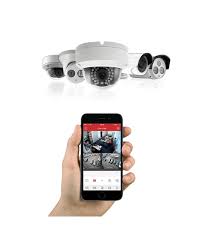
Mobile NVR: Reliable Video Surveillance on the Move
Security requirements do not stop at the building entrance. Buses, taxis, school transport, delivery vehicles, emergency services and other fleets also need dependable surveillance. A mobile Network Video Recorder (NVR) is designed to record and manage video from cameras installed in moving vehicles, helping organisations monitor journeys, investigate incidents and improve operational safety.
What is a mobile NVR?
A mobile NVR is a recording device built for vehicle-based video surveillance. It receives video feeds from compatible network cameras and stores footage on an internal hard drive, solid-state drive or other supported storage. Unlike a conventional NVR used in a fixed location, a mobile unit is designed to operate in demanding vehicle environments, where vibration, changing temperatures and interruptions to power may be common.
Depending on the system, a mobile NVR may also support GPS location data, wireless connectivity and remote access. This can allow authorised users to review live or recorded footage and, where configured, see the vehicle’s location alongside the video.
How does a mobile NVR system work?
Cameras are installed at selected points inside or around a vehicle. These may cover the driver’s area, passenger cabin, doors, cargo space or the view ahead and behind the vehicle. The cameras send video to the mobile NVR over a wired or compatible network connection.
The NVR records the video to local storage. Some systems can also send selected footage or live video to a control room using a mobile network or Wi-Fi connection. Since connectivity can vary while a vehicle is travelling, local recording is particularly useful: footage can remain stored on the vehicle and be retrieved later, even if a live connection is unavailable.
Key features to consider
- Vehicle-ready design: Choose equipment intended to withstand vibration, movement and the operating conditions expected in the vehicle.
- Camera compatibility: Confirm the number of supported channels and that the NVR is compatible with the selected cameras and video formats.
- Storage capacity: The required capacity depends on the number of cameras, video resolution, frame rate, recording schedule and retention period. Check how footage is stored and overwritten when storage is full.
- Power management: Look for suitable power input and protection features for the vehicle. Professional installation can help reduce the risk of recording interruptions or battery drain.
- GPS integration: GPS can associate recordings with location and journey information when supported and properly configured.
- Remote access: Network access can help authorised staff view live feeds or retrieve recordings. Consider connectivity, data usage, user permissions and cybersecurity.
- Event recording: Some systems can mark or prioritise footage linked to events such as sudden movement, alarms or driver actions, depending on the connected equipment.
- Footage export: Check how recordings can be searched, played back and securely exported for review.
Where are mobile NVRs used?
Mobile NVR systems are used in a wide range of vehicles and transport operations, including:
- Buses and school transport
- Taxis and app-based transport fleets
- Delivery vans and logistics vehicles
- Trucks and other commercial vehicles
- Emergency response and service vehicles
- Construction, utility and field-service fleets
The camera layout and recording requirements will differ from one application to another. For example, a passenger vehicle may need clear coverage of entry points and the cabin, while a logistics vehicle may require views of the road, loading area and cargo space.
Benefits for fleet operators
A well-planned mobile NVR system can provide useful footage for reviewing incidents, supporting internal investigations and understanding events on a journey. It can also help fleet teams assess vehicle operations and identify areas where procedures or safety training may need attention. GPS-linked recordings, where available, can make it easier to locate relevant footage by time and place.
Surveillance is most effective when it is part of a broader safety and fleet-management plan. Clear policies, appropriate camera placement, reliable maintenance and staff awareness are all important.
Choosing and installing a mobile NVR
Before selecting a system, consider the type of vehicles, the number and position of cameras, the expected recording period and how footage will be accessed. Decide whether local recording is sufficient or whether remote viewing is also required. It is also helpful to check how the system performs when the vehicle is parked, switched off or operating in areas with limited network coverage.
Installation should be carried out carefully so that cameras have suitable views and equipment is securely mounted. Wiring should be routed safely, and the system should be tested under normal vehicle operating conditions. Establish who can access recordings, how long footage will be retained and how it will be protected from unauthorised access.
Conclusion
A mobile NVR brings video recording capabilities to vehicles, helping organisations maintain visibility across their fleets. The right system depends on the operating environment, camera coverage, storage needs and access requirements. With suitable equipment, professional installation and clear data-handling practices, mobile video surveillance can become a practical part of a wider vehicle safety and security strategy.
Mobile NVR FAQs: How It Works, Camera Support, Offline Recording and Storage
- What is a mobile NVR and how does it work?
- What is the difference between a mobile NVR and a standard NVR?
- How many cameras can be connected to a mobile NVR?
- Can a mobile NVR record footage when the vehicle is offline?
- How much video footage can a mobile NVR store?
What is a mobile NVR and how does it work?
A mobile NVR (Network Video Recorder) is a vehicle-ready device that records and manages video from network cameras installed in vehicles such as buses, taxis, delivery vans and trucks. The cameras send footage to the NVR, which stores it on local storage for later review. Depending on the system, it may also use GPS to link recordings with location data and mobile networks or Wi-Fi to provide authorised users with remote access to live or recorded video. Local recording helps preserve footage even when the vehicle has limited or no network coverage.
What is the difference between a mobile NVR and a standard NVR?
A mobile NVR is designed for use in vehicles, so it is built to cope with vibration, movement, changing temperatures and vehicle power conditions. It typically records footage from onboard cameras and may support features such as GPS location data and mobile network connectivity. A standard NVR is generally intended for fixed installations, such as offices, shops or homes, where it connects to network cameras and a stable power supply. Both record and manage video, but their design, connectivity and operating conditions differ.
How many cameras can be connected to a mobile NVR?
The number of cameras that can be connected to a mobile NVR depends on its model and channel capacity. Mobile NVRs are commonly available with 4, 8 or 16 channels, but the supported number may vary. Check that the NVR has enough channels and is compatible with the cameras you plan to use.
Can a mobile NVR record footage when the vehicle is offline?
Yes, a mobile NVR can usually continue recording when the vehicle is offline, provided it has power, connected cameras and sufficient local storage. Footage is saved on the NVR’s internal drive or other supported storage and can typically be viewed or downloaded when the vehicle reconnects or the storage is accessed directly. Remote live viewing and cloud uploads, however, may not be available without a network connection.
How much video footage can a mobile NVR store?
The amount of footage a mobile NVR can store depends on its storage capacity, the number of cameras, video resolution, frame rate, compression settings and recording schedule. Continuous recording uses more space than motion- or event-based recording. Many systems automatically overwrite the oldest footage when storage is full, while some allow important recordings to be saved separately. Check the NVR’s specifications and estimate storage needs based on your required retention period and operating conditions.